13
After Open Studios:
Reflections and More
~ 11.04.2025
Afterthought
The Open Studios experience has reignited earlier questions about technology's role in creativity—particularly now that my project's focus has crystallised around how automation transforms creative processes. Watching visitors engage freely with my work, many encountering it without prior context, brought reflections of agency to the forefront. The central question persists: How does new technology reshape us? While debates rage about AI's impact on creativity—utopian or dystopian—the future remains unwritten. It's our collective responsibility to steer toward one we desire.
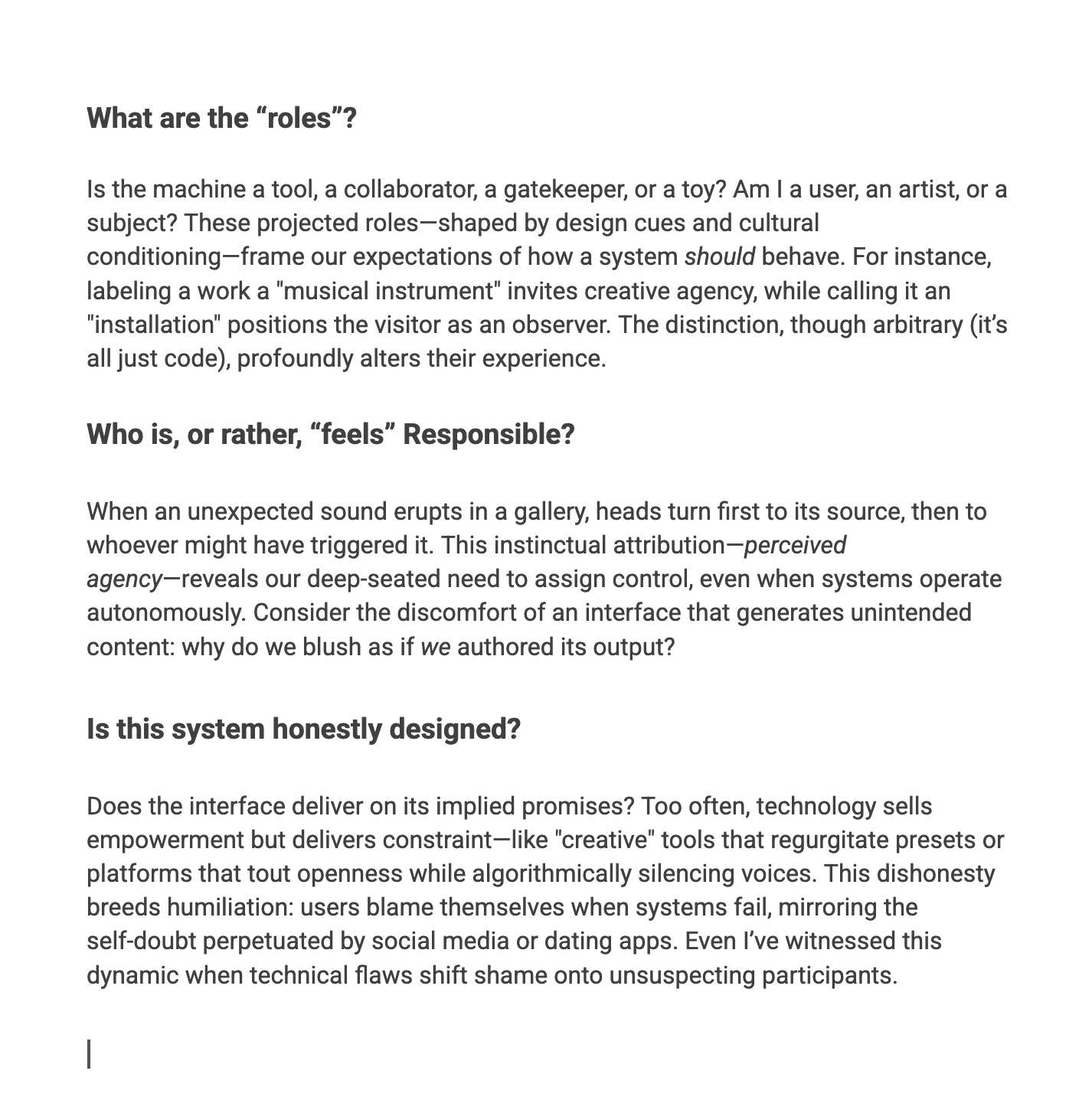
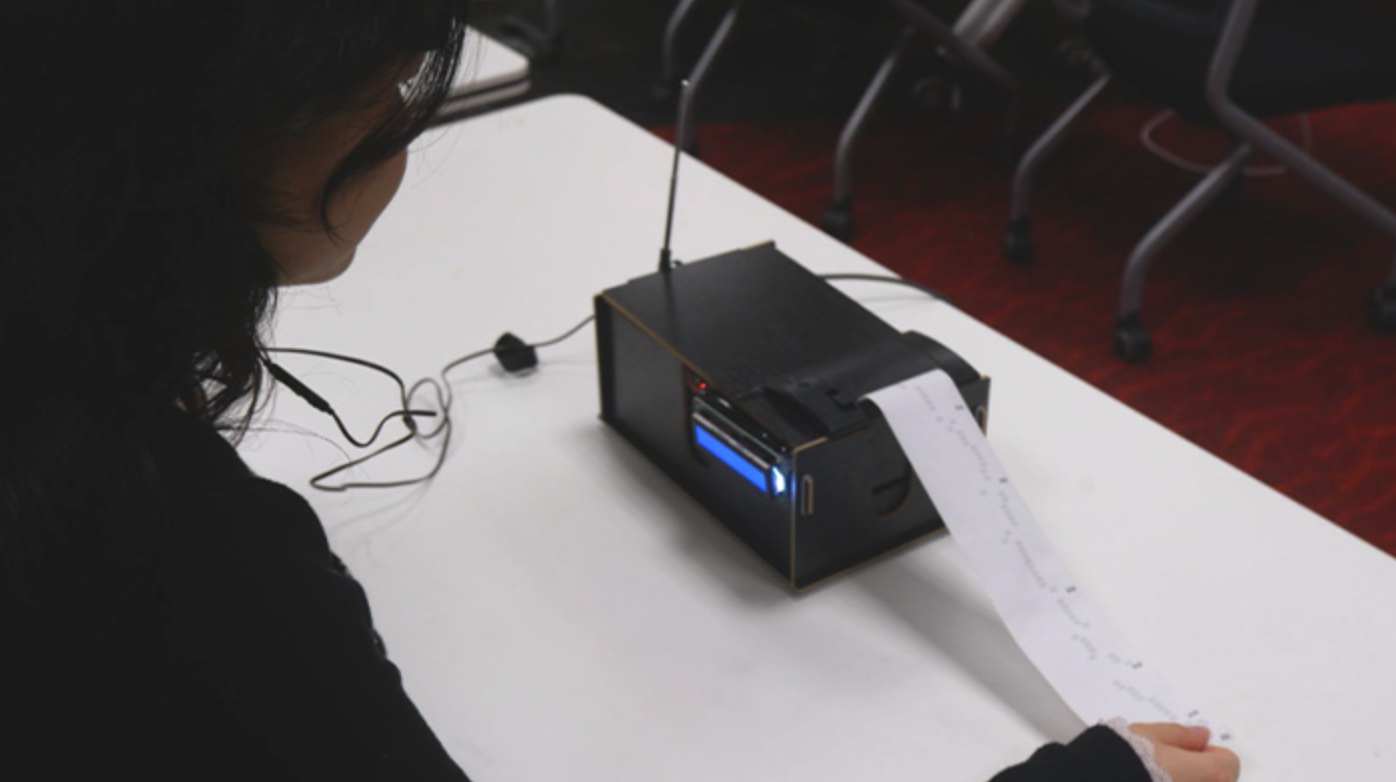
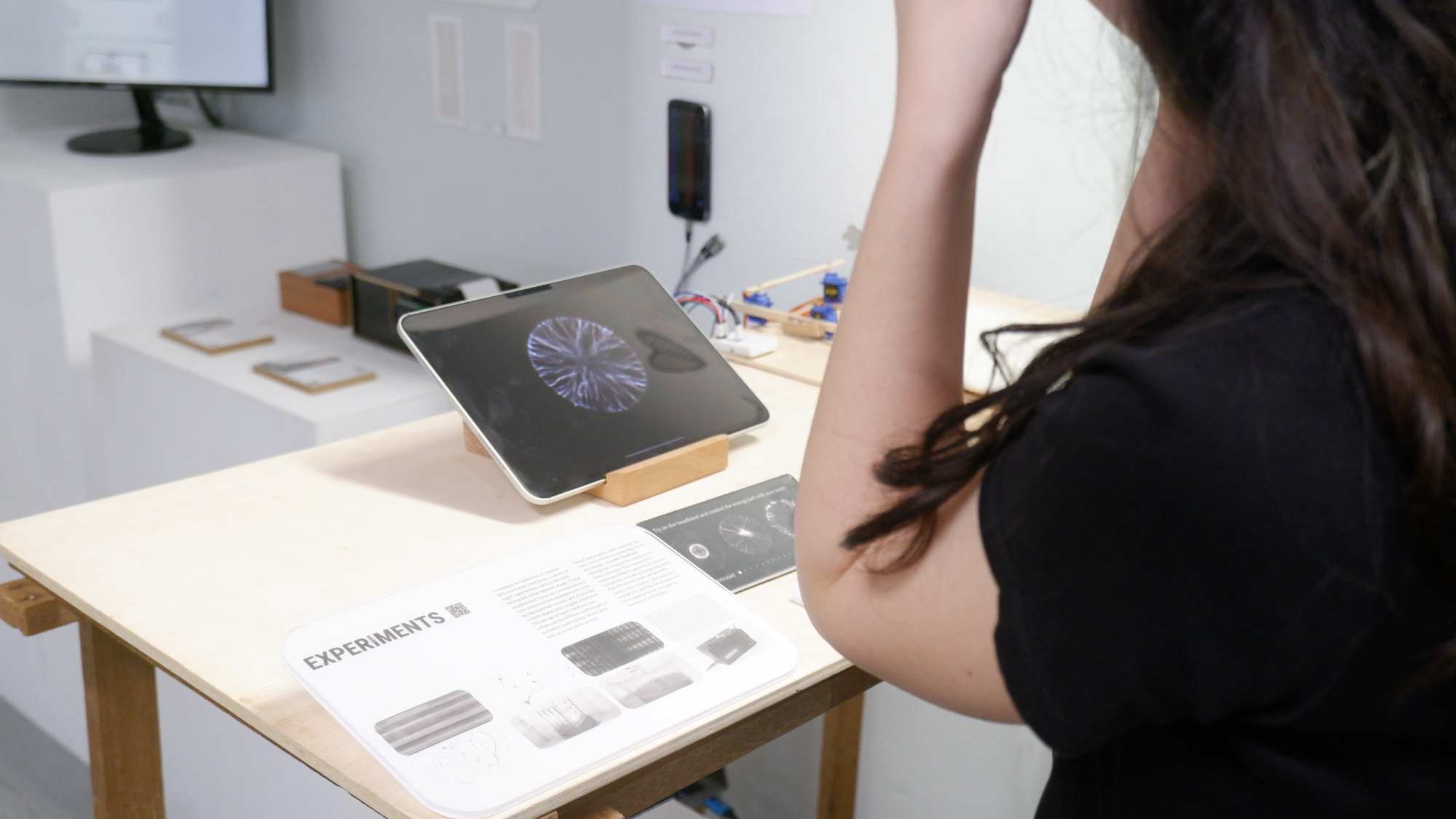
Interactive art can create a space to probe human-machine dynamics. Unlike most technology designed for profit or problem-solving, art liberates machines from utility, allowing us to explore their essence rather than their function. I hope my project probes how these interactions alter us individually and socially, placing audiences in the role of someone grappling with an unfamiliar system—one whose rules and outcomes remain opaque.
The gallery, as demonstrated during Echoes of Tomorrow and now Open Studios, is my preferred laboratory. Here, interfaces exist outside controlled studies; visitors engage on their own terms, free from surveillance. In this setting, you witness raw moments of discovery: how social dynamics shape interaction, how vulnerability surfaces when people confront systems that resist comprehension, and how they strive to assert identity amid unpredictability.
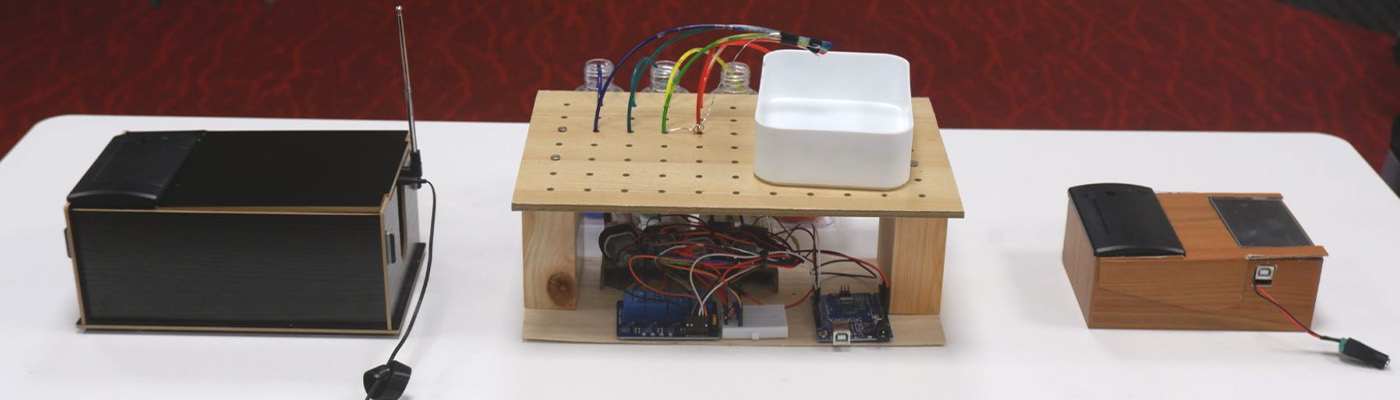
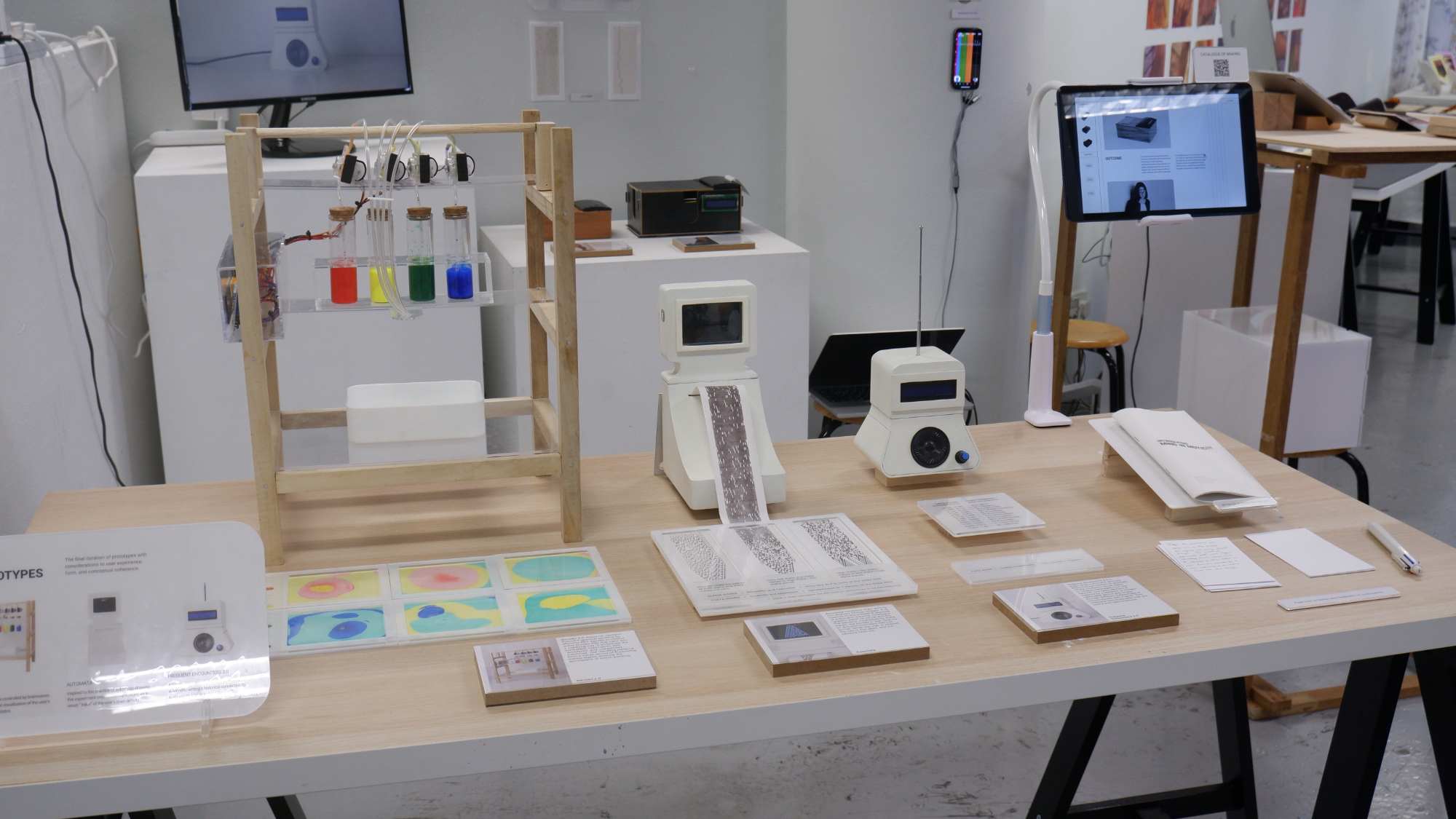
As I finalise my project, I'm committed to honesty in design—not as a moral absolute, but as a guard against the alienation embedded in so much technology. When systems obscure their limits or manipulate agency, they don't just frustrate; they erode trust. The challenge is to create interfaces that acknowledge their own mechanics, allowing users to engage with clarity rather than conjecture. In a world where technology increasingly mediates our relationships, politics, and self-worth, this transparency feels not just artistic, but urgent.
Next Steps
Most of the feedback from the Open Studios and my following reflections were positive affirmations. Because I would like to focus on how to move forward, I will reflect on tbe suggestions received rather than documenting all of them in my CPJ.
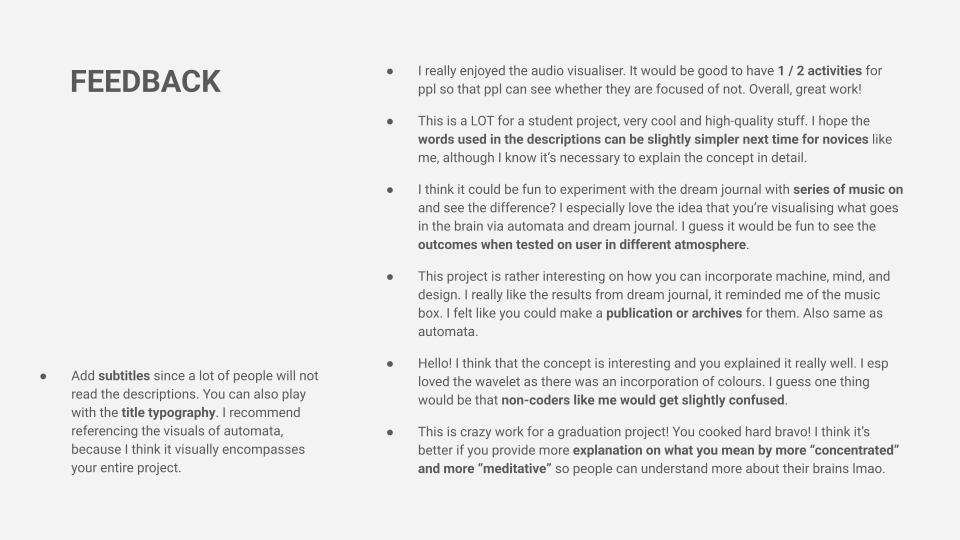
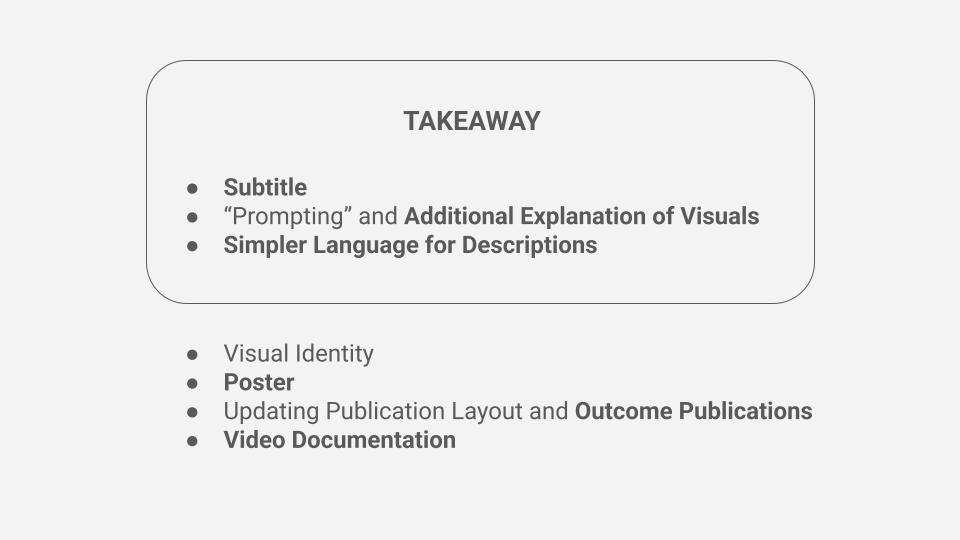
Regarding the feedback on simplifying descriptions, Andreas agreed to leave them as is. I observed that most people don't read the descriptions anyway, so the issue isn't language complexity but rather drawing people in to understand my project's context. My setup accomplished this sufficiently enough, considering that there are around 80 projects in total.
The feedback suggesting descriptions were difficult for non-coders can be disregarded since my target audience includes people with coding knowledge - the type of audience at open studios and typical LASALLE showcase visitors. Even my friend's 10-12 year old brother understood my project, which confirmed my approach.
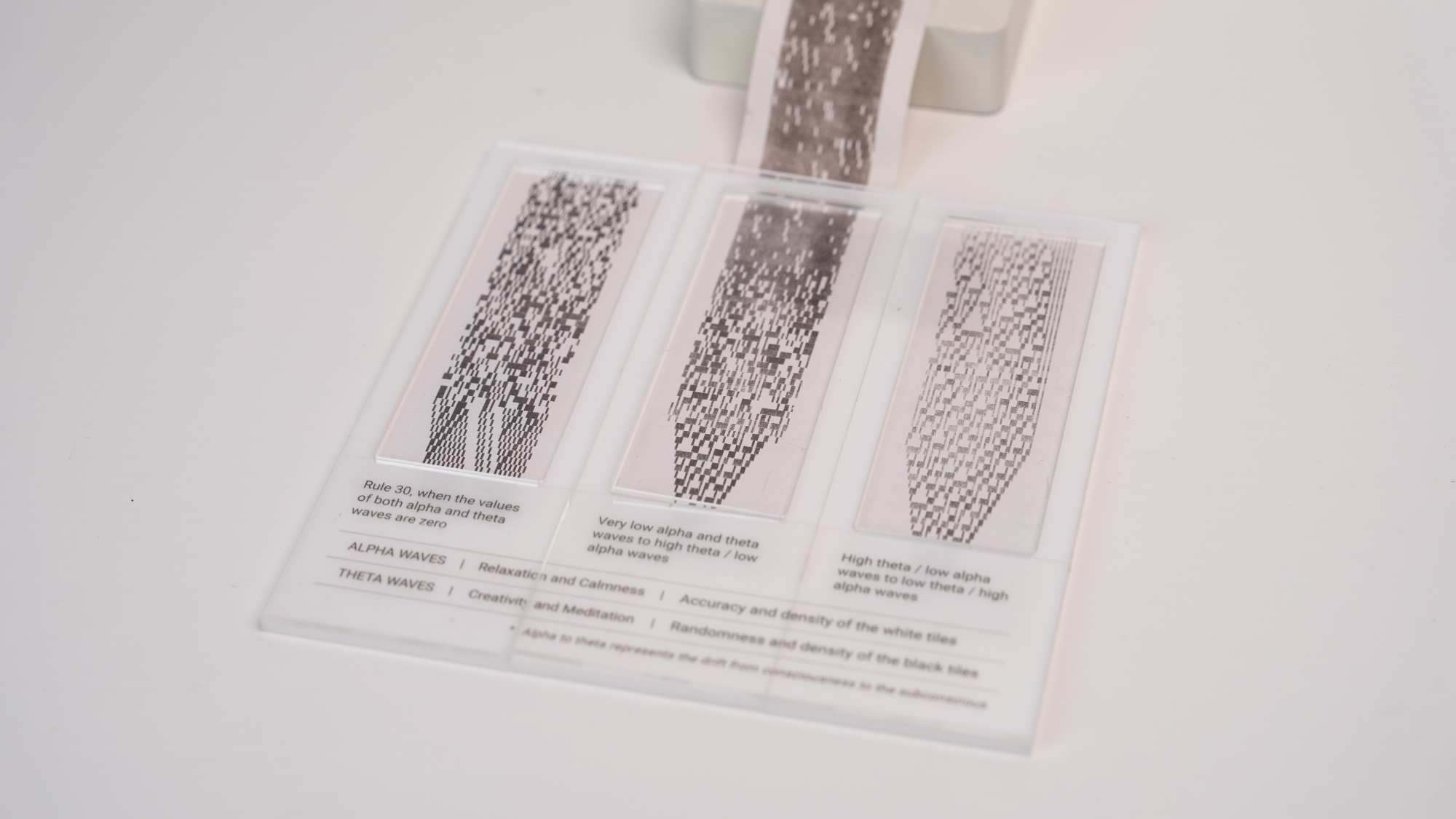
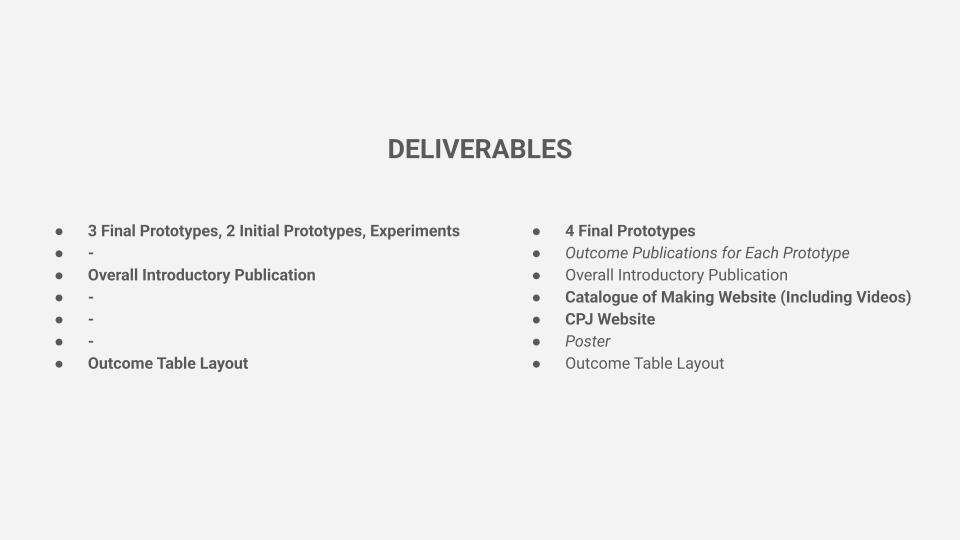
Following Andreas' feedback, I've decided to remove the outcome publications (visual booklets) I was developing. They aren't necessary for my setup now, though they could be added after submission. For the viva voce and LASALLE show, displaying the work as laid-out acrylics is better. One introductory publication is sufficient to engage viewers.
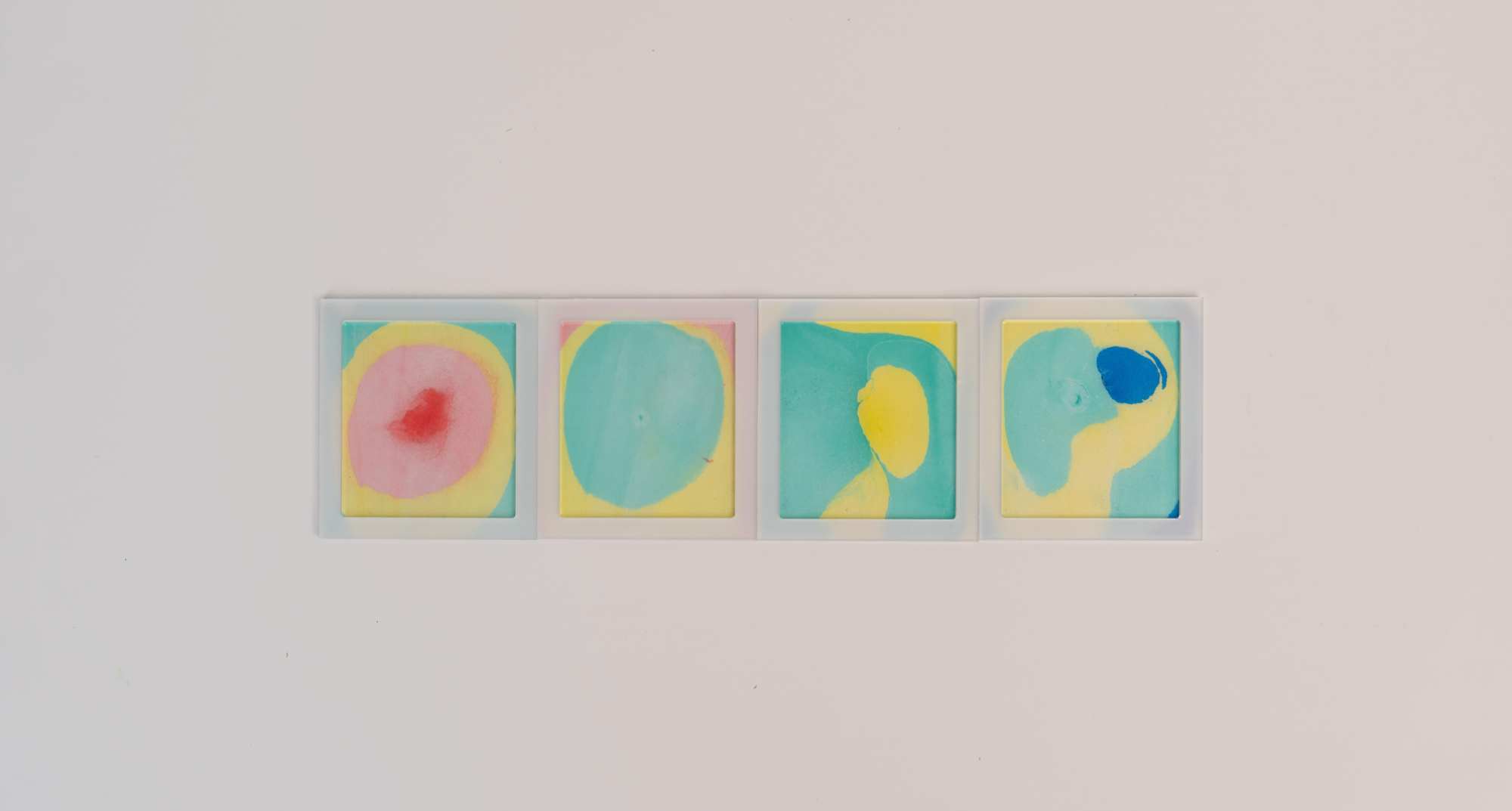
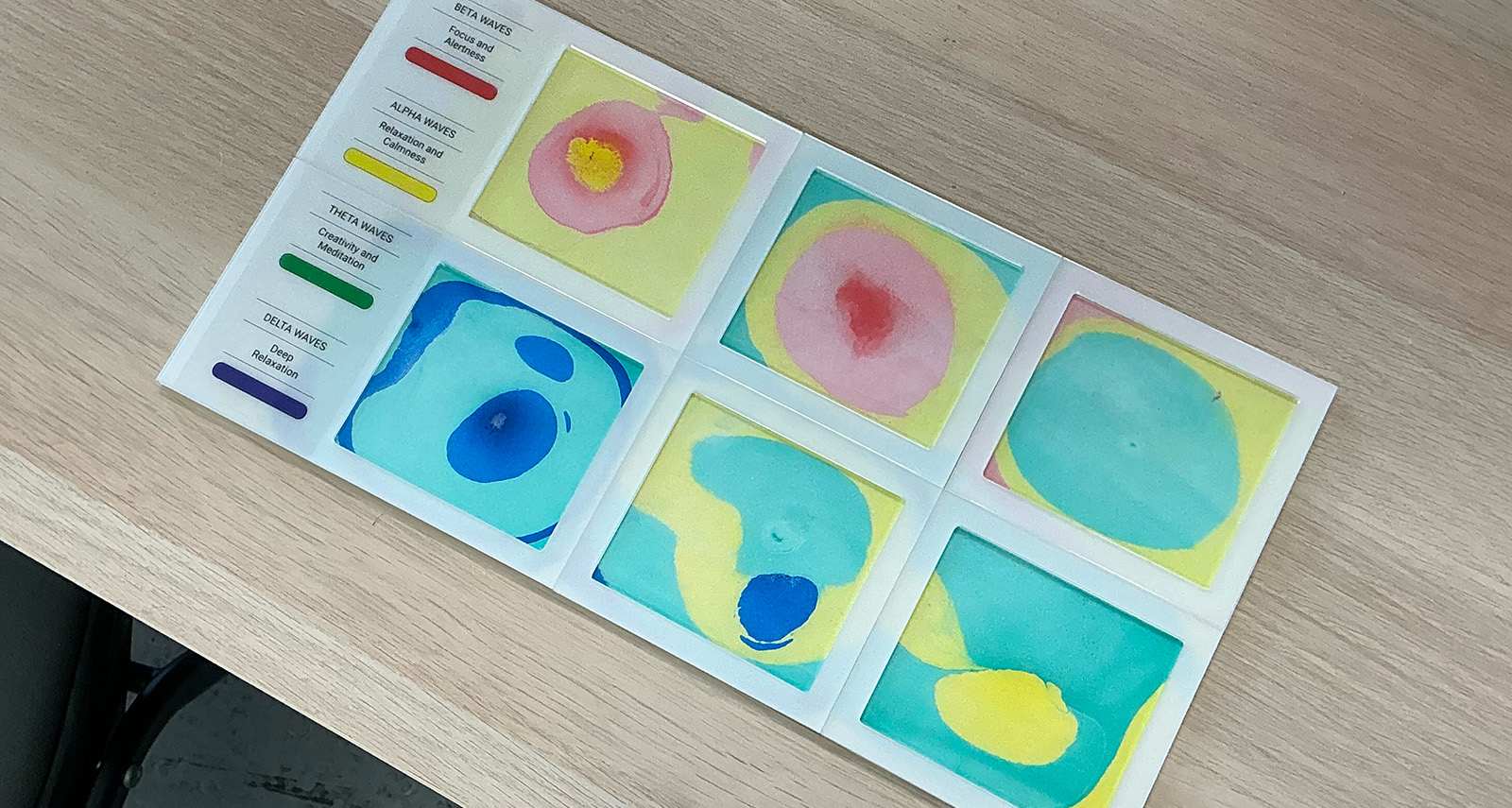
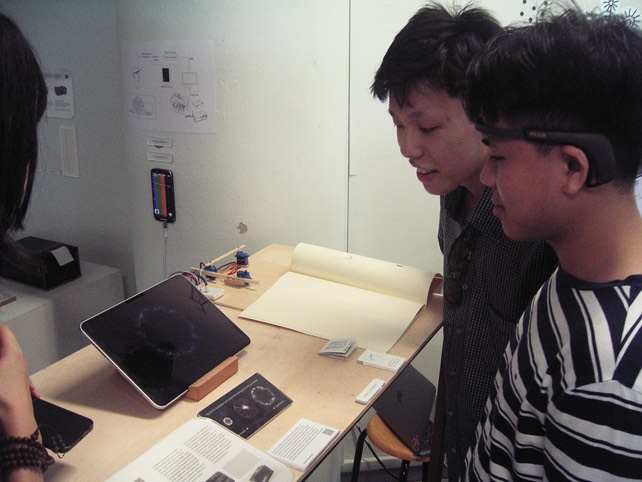
I considered adding explanations of my outcome visuals as suggested by one user, but after discussing with Andreas, I reconsidered. He mentioned discomfort with having disorders like ADHD or OCD "diagnosed" at an exhibition.
Although I intended it more as suggesting personality types rather than disorders, I realised it might still make users uncomfortable or overthink interpretations of their state, even with neutral language like "your brain waves suggest you tend to be more focused."
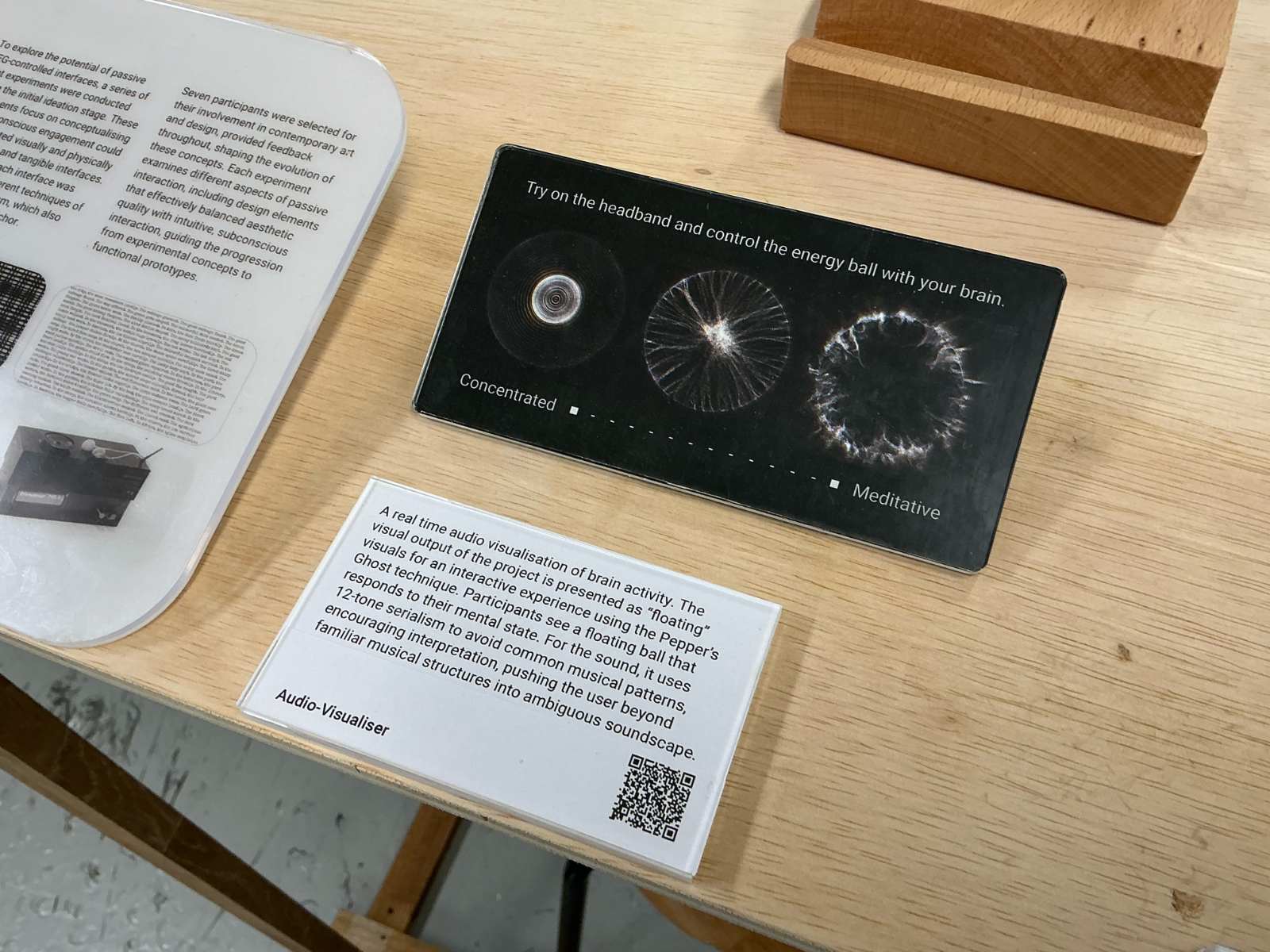
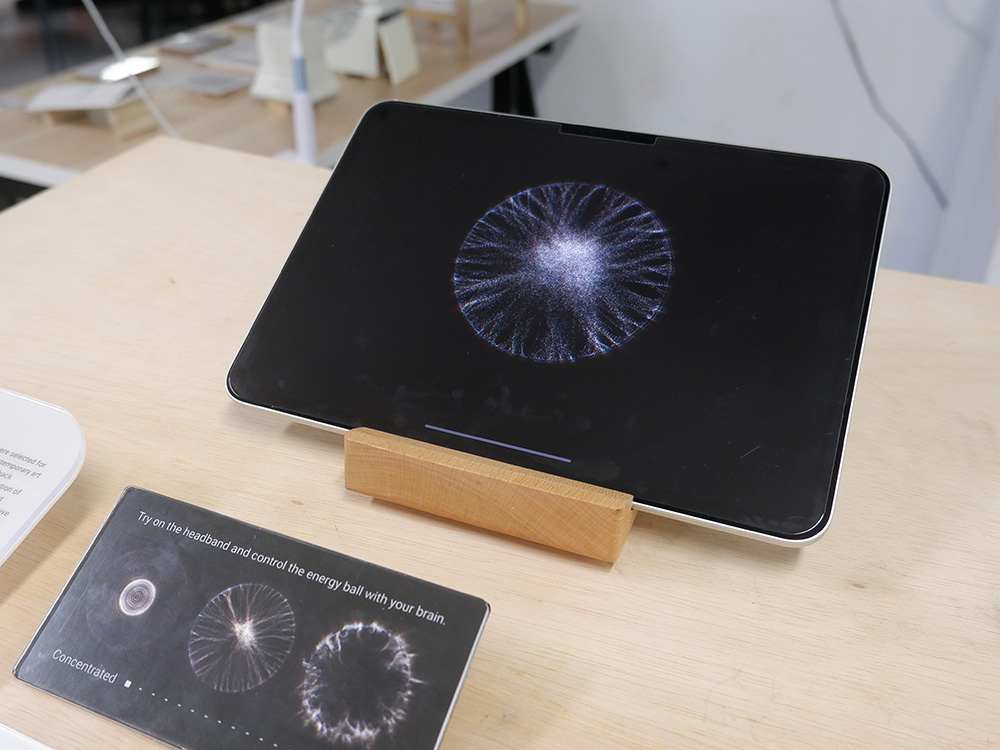
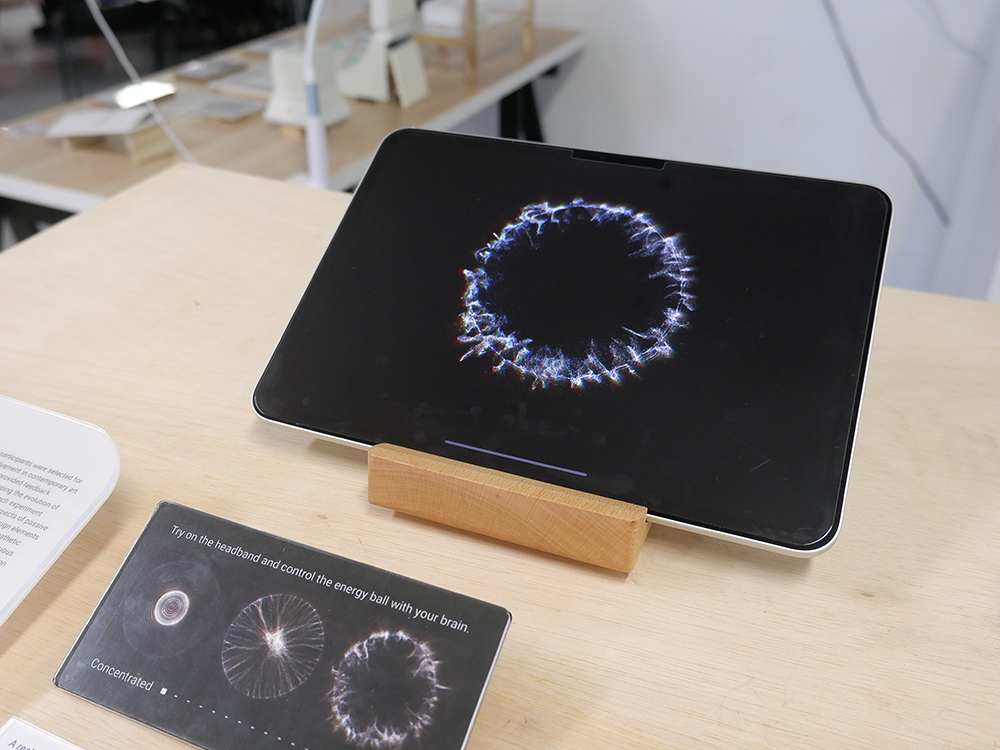
Three users suggested adding a prompt for the interactive audio-visual interface, which surprised me since this wasn't mentioned during initial user testing of prototypes. I believe this happened because I had explicitly explained my project's concept, background context, and the purpose of maintaining a meditative state when using passive interfaces during testing.
For the outcomes themselves, I didn't solely focus on implicit passive interfaces, making it harder for viewers to understand the lack of prompts. Adding prompts wouldn't significantly disrupt my concept, but at this stage, I won't be making more interactable additions to the setup beyond the audio-visual demo for the viva voce, which will just show me using the interface.
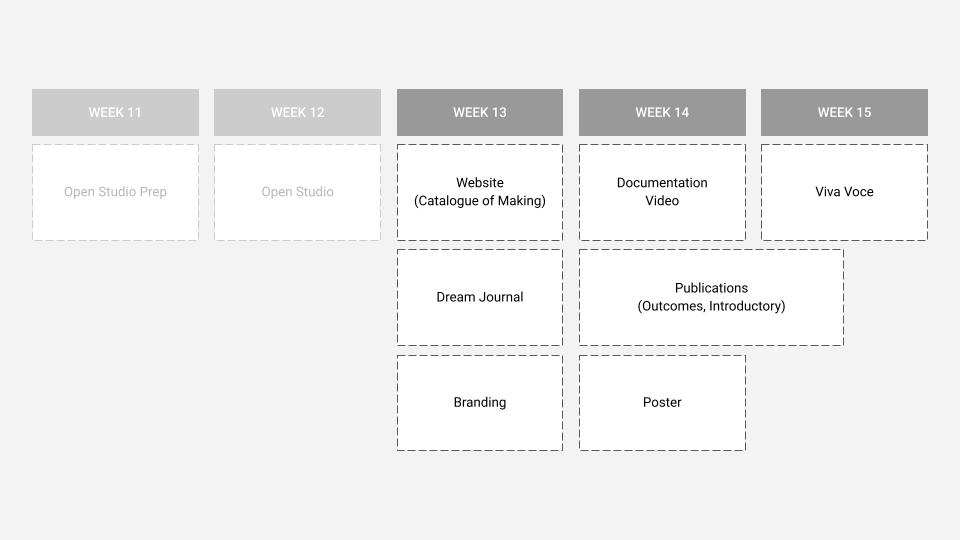
In conclusion, my next steps are: creating the introductory booklet, producing the documentation video, updating my website documentation, preparing files, and setting up. I'm avoiding an overly tight schedule as I'll need time to prepare for the oral presentation, which might make me nervous.
If time permits, I'll add interview transcripts from the two designers I conducted email interviews with to my catalog/making website as a supplementary element, and possibly enhance my repository webpage. Currently, in terms of presentation / setup, I'm focusing on streamlining rather than adding content, while improving the quality and presentation of my collaterals.
Publication Booklet
For my publication, I initially felt it resembled a brochure, yet contained too much content to be categorised as one. It functioned almost as a condensed version of my catalog of making, as my website already contained extensive content. While I wanted to retain the current layout, I also wanted it to be more of a booklet.
I appreciated the layout and wanted to maintain a concise, simple, and straightforward approach without excessive variety. For instance, I avoided pages with full-page images, which sometimes work but didn't suit my vision for an informative booklet that clearly explained my project without being overly visual.
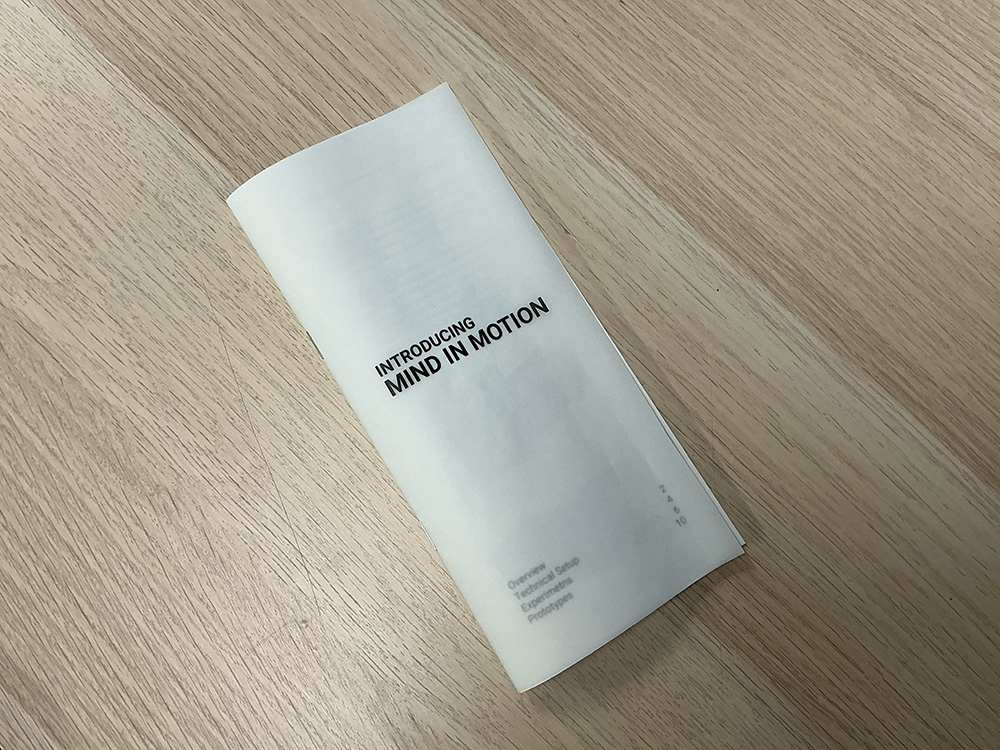
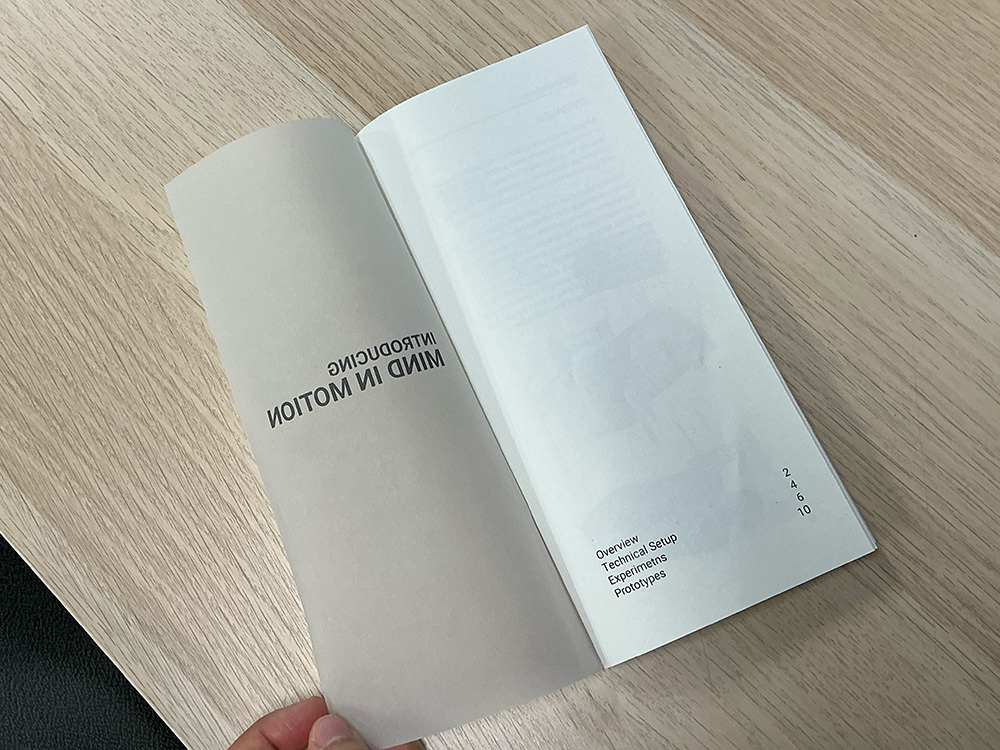
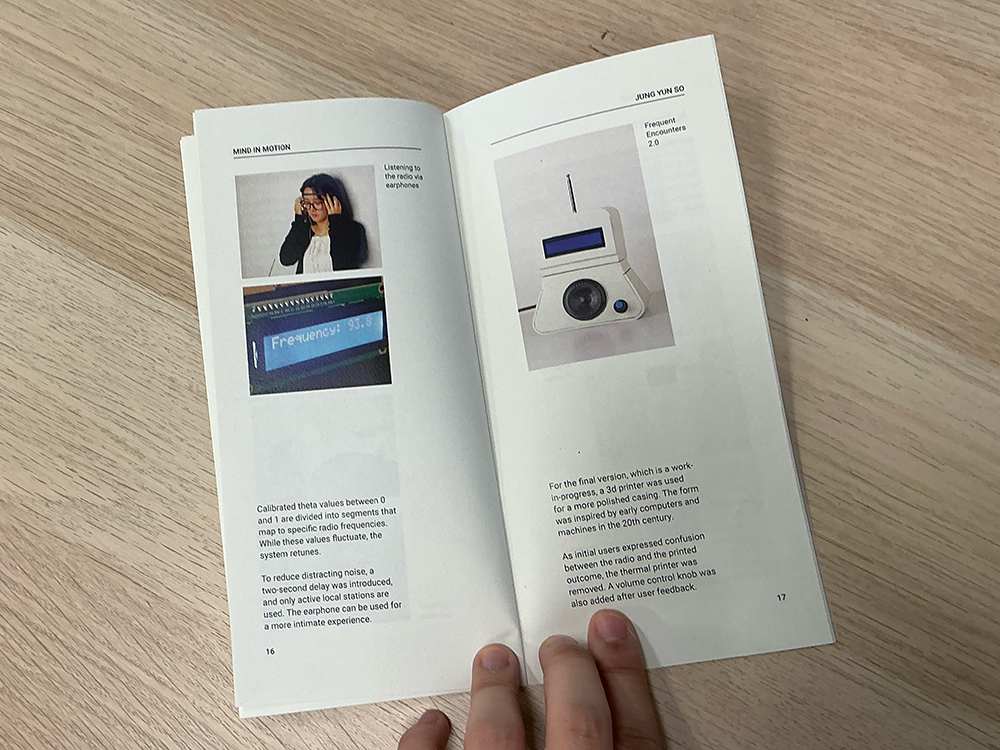
I consulted peers about what elements made it resemble a brochure; most mentioned the tracing paper cover and its fold structure, which I agreed with. Rather than completely changing the inner page layouts, I decided to make the format more distinctive by varying the page sizes. This approach was inspired by my website design, which features different sections divided into small, slim white boxes.
The publication now reflects this visual concept—or more accurately, the website reflects the publication, since the website intentionally mimics real-life mechanics rather than existing as a purely digital entity, reminiscent of an actual book or shelf. My current booklet features pages of varying widths, with each page becoming progressively wider toward the end. When closed, it creates a step-like appearance.