00
Winter Break:
Recharge
~ 12.01.2025
Prologue
-
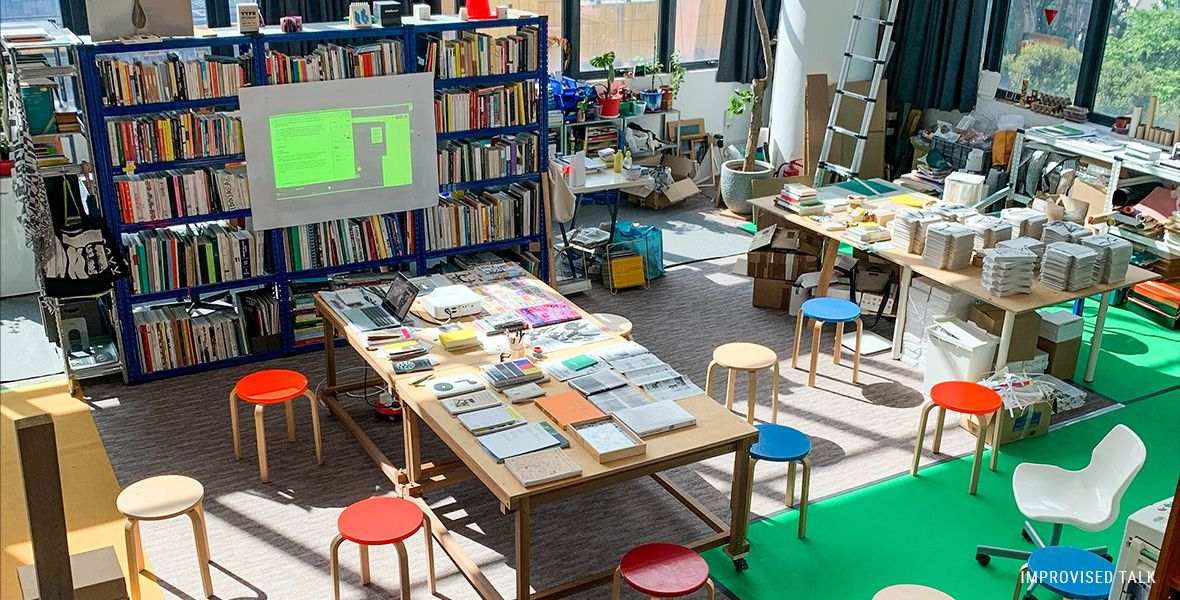
Temporary Press
Starting the semester with another rant. I’ve been reflecting on what my friend calls 'reverse engineering' in design—beginning with the making process and deriving a concept afterward, rather than starting with a clear idea. It’s an approach I’ve been exploring in this atelier, and it tends to go one of two ways: it either leads to something genuinely surprising, interesting, and practically implementable, or feels completely unconvincing (at least to me).
From what I've seen so far, for reverse engineering to work, two things are needed. First, any compromises in the design process should come from actual material / practical constraints—or the use of an innovative tool—rather than from lack of skill or poor decision-making. Second, as designers, we should be transparent about these constraints. If something didn’t go as planned due to limitations, it’s better to acknowledge it as part of the process rather than hide it or exaggerate its significance.
In my humble opinion, reverse engineering falls apart when designers use overly elaborate narratives to justify poorly thought-out decisions. This seems to happen when a designer takes on ideas beyond their abilities—adding poorly executed and unnecessary “artsy” elements to appease their ego or in pursuit of novelty—and then tries to cover it up with a contrived explanation, leaving the outcome feeling tacky and unjustifiable.
-
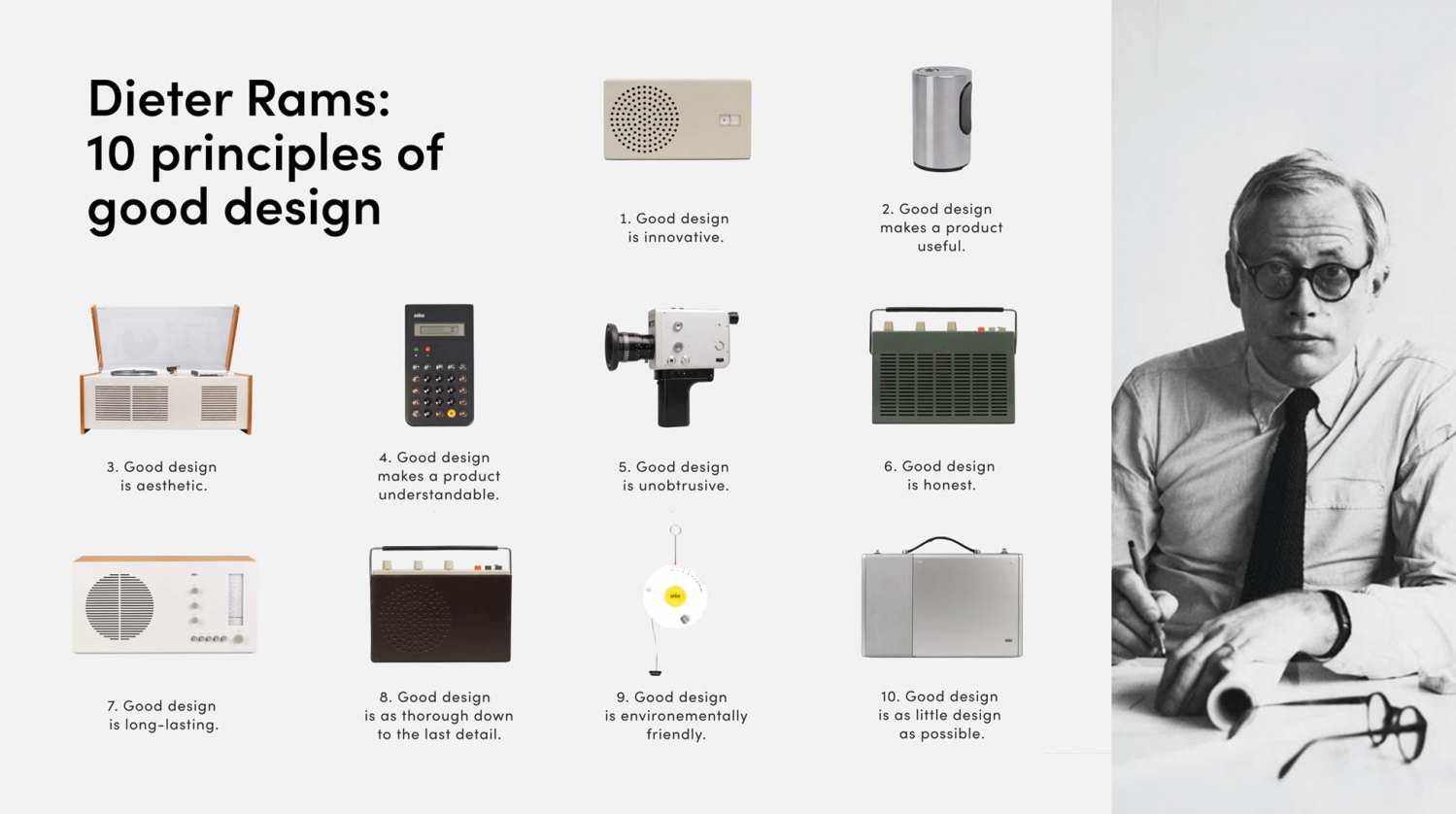
Dieter Rams' 10 Principles of Good Design
medium.com/design-bootcamp/dieter-rams-10-principles-of-good-design-a-timeless-guide-for-design-excellence-ee582c4862c
While I don't dare say I have the necessary experinece or knowledge to make this sort of critique, I still think that some audiences, mostly those who focus more on the designer / artist / author than the design / art / work itself, appreciate these overly pretentious outcomes. I just hope this is an issue limited to a school setting, as it is expected of a school to value ambition over quality. But I'm worried this might point to bigger issues I might encounter in the industry: when storytelling takes precedence over substance.
This reminds me of Dieter Rams’ sixth principle of design: Good design is honest. This seems to be one of the principles with different interpretations, with some people thinking more in an advertisement context. I have my own interpretation. Art is throwing a question. It can get away with being ambiguous or even completely nonsensical, but design doesn’t have that luxury. Design needs justification. It needs solid execution, integrity, and a respect for the constraints that shaped it. It is finding a question worth answering.
So, before I officially start this semester, I want to keep in mind that 'reverse engineering' should be handled with care. It has to be rooted in either genuine constraints or innovative tools, critical reflection, and a commitment to honesty.
Showcase and Feedback
-
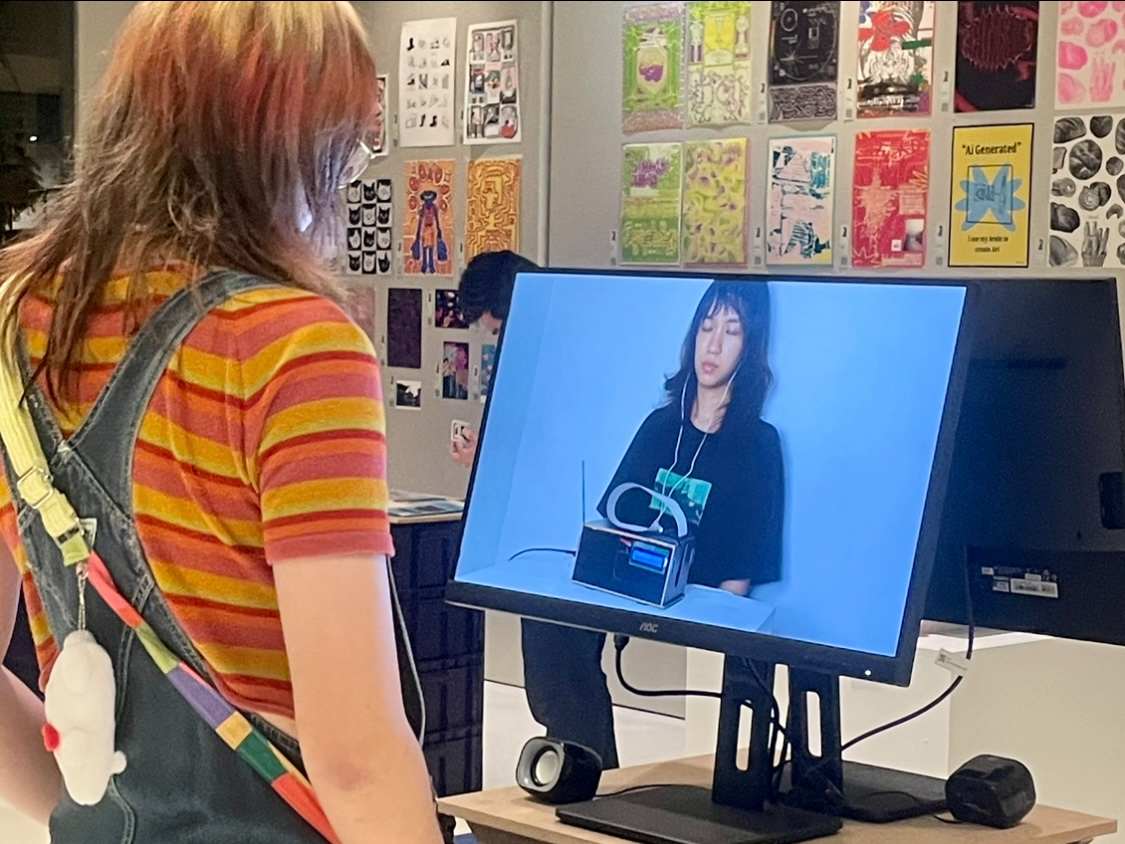
Visitor watching Mind in Motion atForm Flux Futures
-
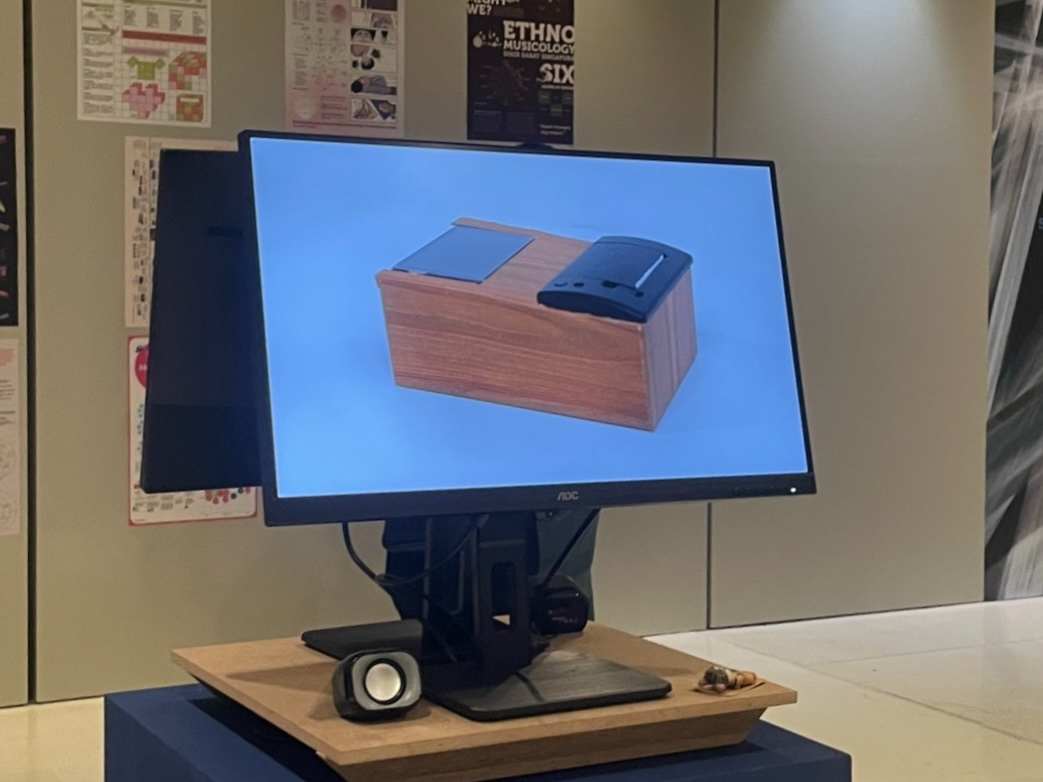
Documentation video of Mind in Motion
-
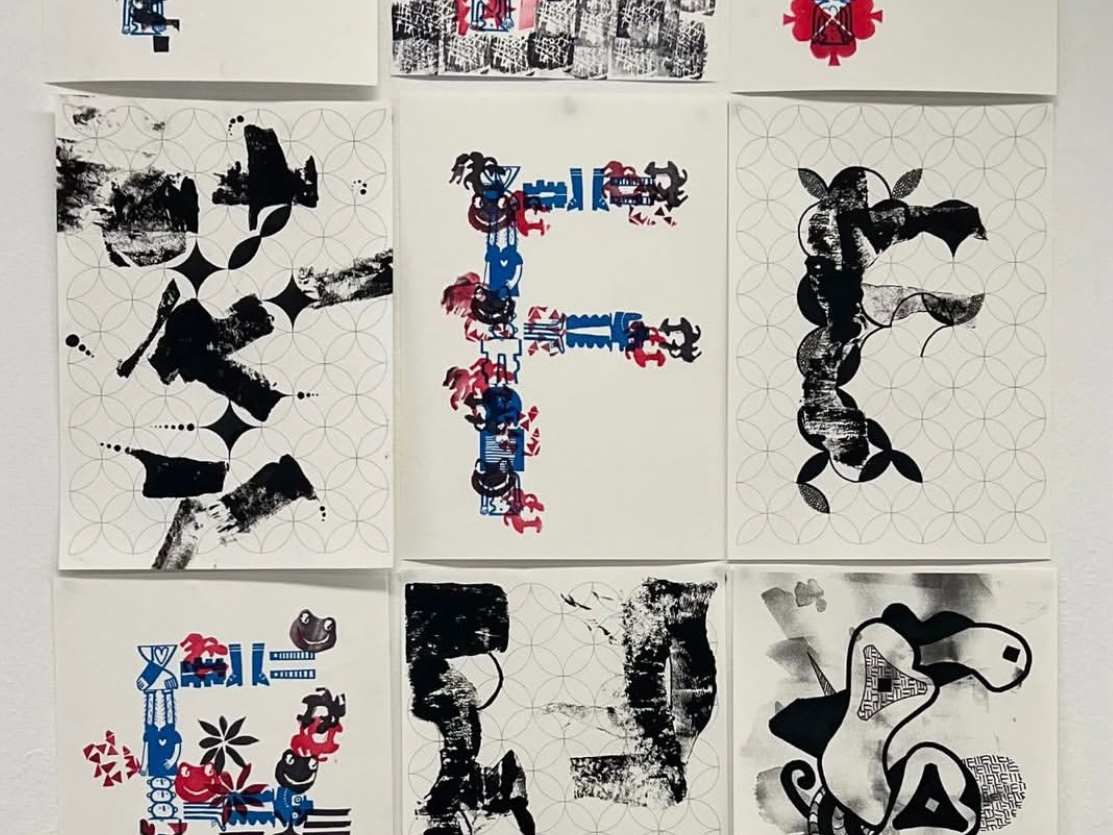
Outcomes from workshop at Form Flex Fututres
After the submission, early December was set as a time for resting and attending several workshops at Form Flux Futures. The Form Flux Futures is an inaugural showcase hosted by Lasalle. I had the opportunity to present a student essay from year two under the theme of Technology and Embodiment, as well as my documentation videos of the prototypes from the first semester.
In the following week, I received the feedback from semester one. I was relieved to see that the feedback was positive and it wasn't based on confirmation bias that I found my outcomes interesting. Of course, the next steps should be handled with an equal amount of, if not more, rigour. Some suggestions on my next steps in semester 2 were as follows:
- (1) creating a format to explain how the EEG works, including the data points captured and their measurement, to enhance technical understanding and for the layman to better understand an EEG.
- (2) defining what data you wish to collect from test subjects and how this will influence your development process in semester 2.
- (3) scenario building, where do your artefacts find application or what is a scenario where your artefacts can be applied and presented.
The first priority is (2), (3), and refining the methodology of my dissertation. I will be looking for a metric to measure the meaningfulness or level of value of the ‘souvenir’, and a more definitive framework for the prototyping process. Then, an organised documentation of my current findings, which is the first iteration of prototypes. I realised that further user testing won’t be available until January when I resume the semester, as I don’t have access to my deliveries right now, but I could still define the participants beforehand. Defining the data to be collected and scenario building will also be done.
I am not certian what (1) of the feedback (formatting of the data points to explain how the EEG works) means (if the format is referring to which medium I will be using, or what kind of content/layout I will present), so I will most likely move this to semester 2 when I can ask for clarification.
USER TESTING METRICS
As I am trying to measure both the value of the souvenir and the resulting meaningfulness of the interaction (and/or their relation), it was difficult to find an existing scale that measures all relevant metrics.
-
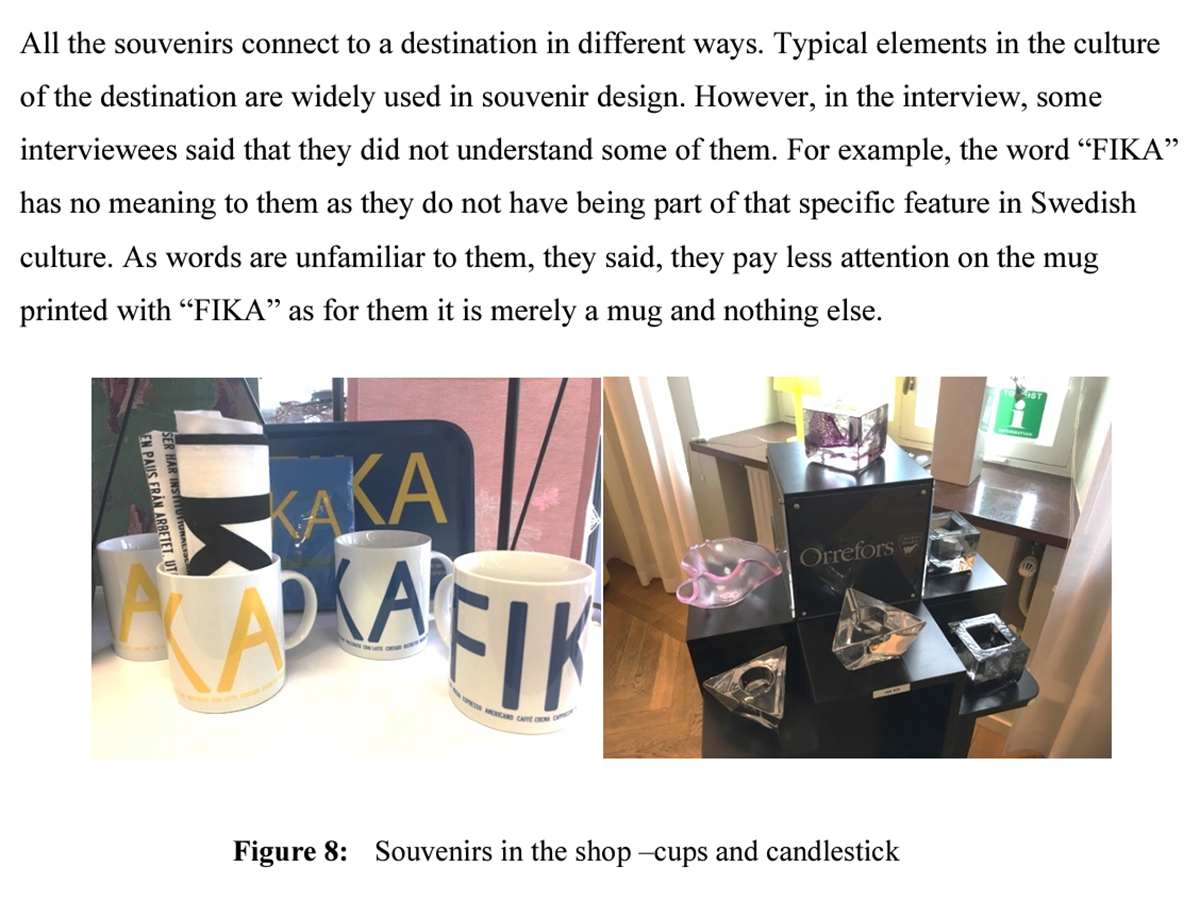
Example of souvenirs
-
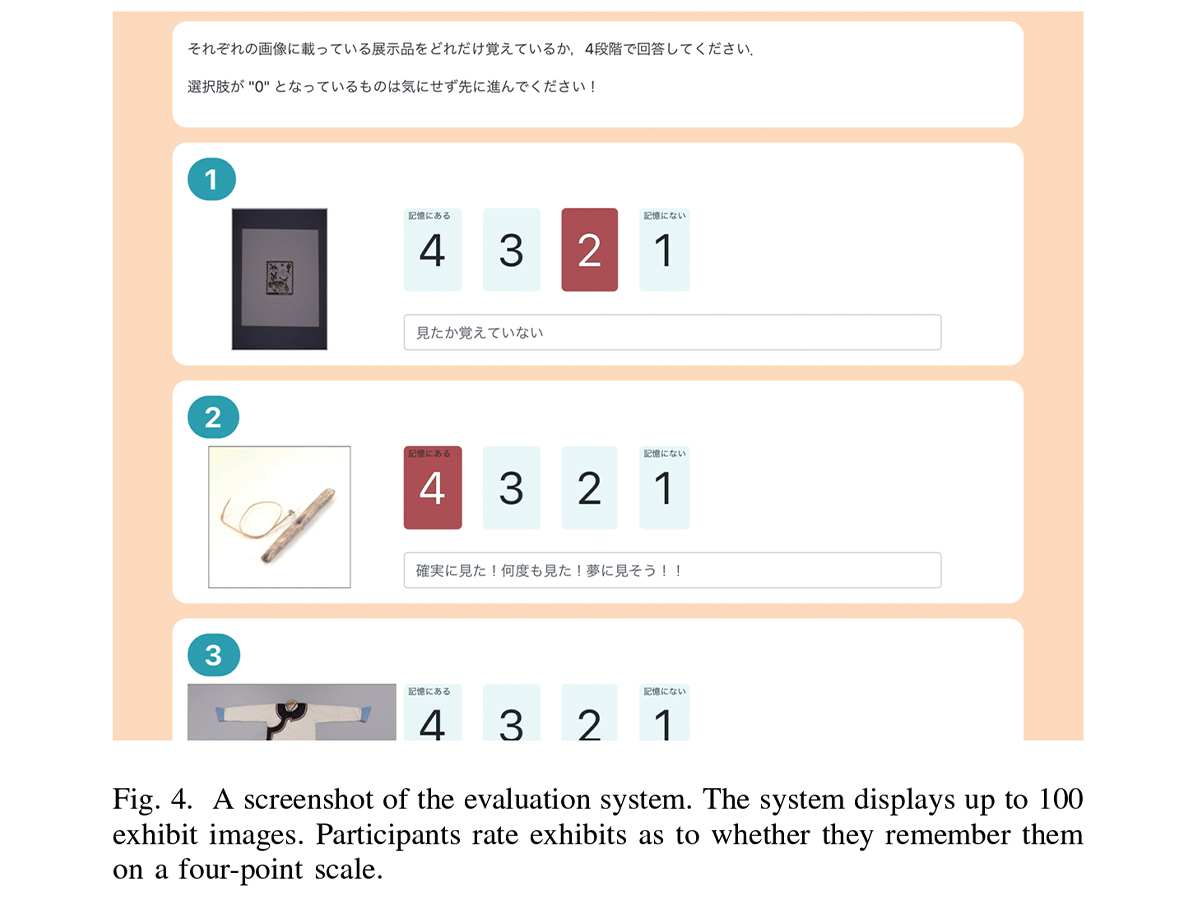
Example of an evaluation form form soubenirs
While I did find several papers that attempt to access the value of souvenirs, they were mostly under the context of culture. This is because the general definition of souvenirs are what the tourist gathered or bought to remind later of the place, and the usual unit of measurement is in regards to the evidence that the souvenir comes from the place marks its authenticity and facilitates to recall the experiences as true and meaningful, instead of what I am looking for, which deems authenticity as the level of personalisation. So, what my research would be closer to is the measurement of user generated tangible outcomes and data souvenirs.
-
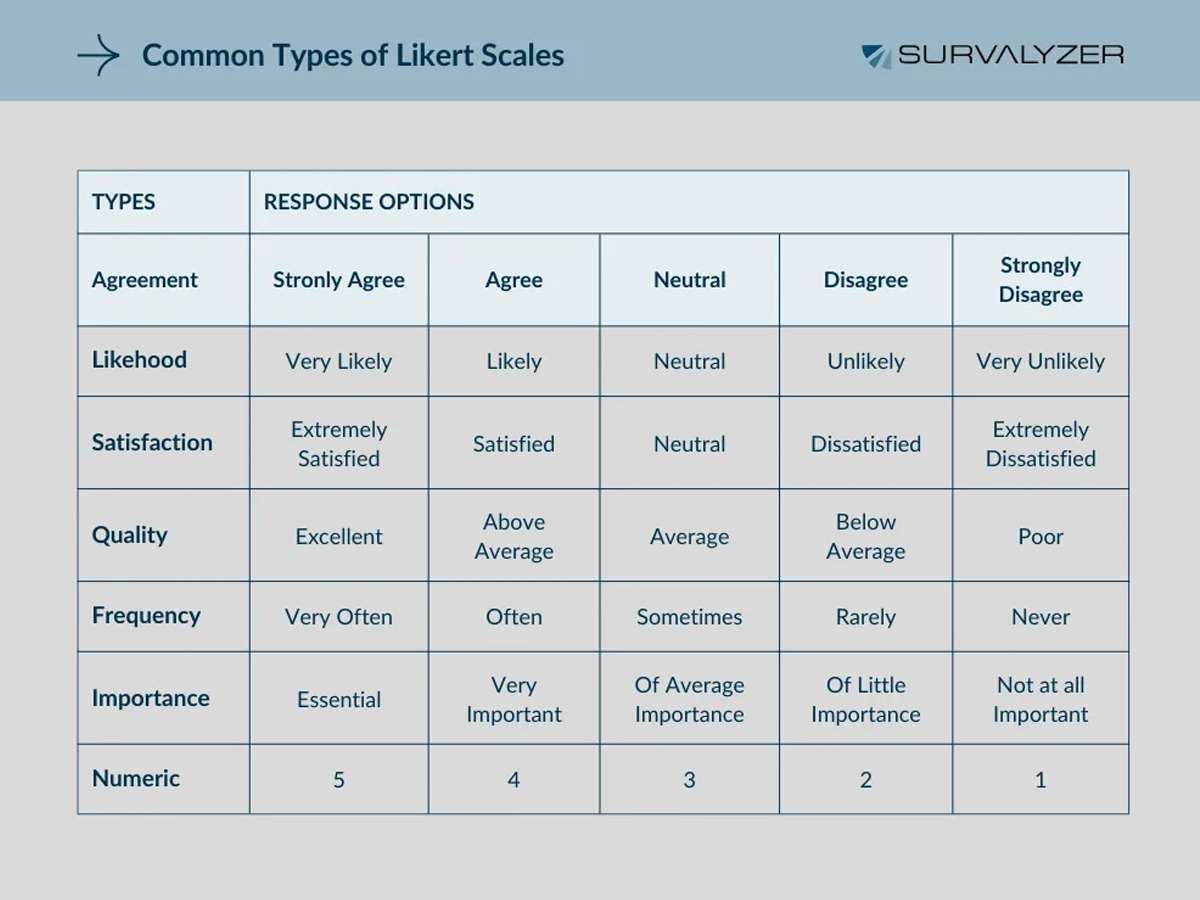
Example of a Likert Scale
-
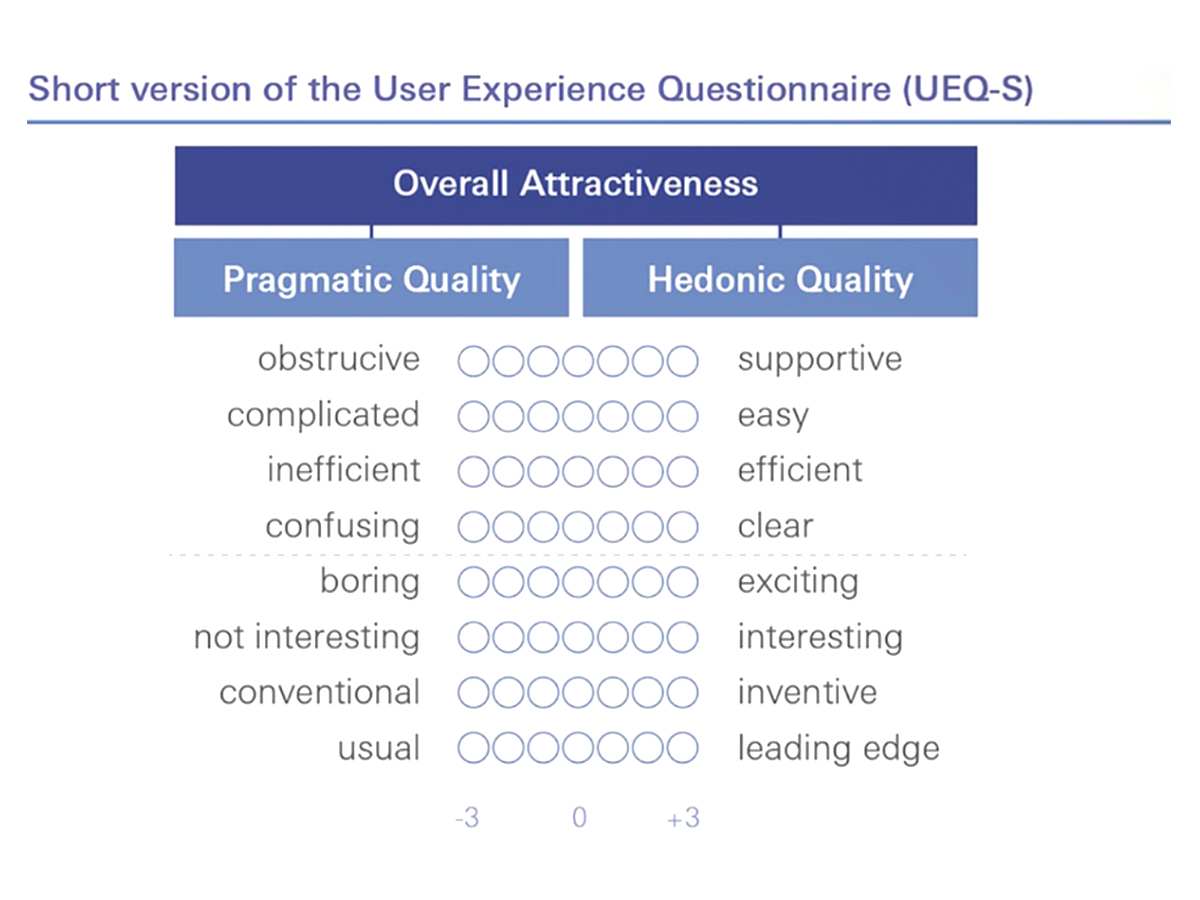
Short version of the User Experience Questionnaire
Meanwhile, on the interface design aspect, it is also not clean cut. I am looking for a scale that measures the value of the interaction, but because I am looking into implicit passive control, which is a niche category, while also focusing on creating a niche value (souvenir), it is difficult to find a scale that fits 100%.
Quantitative measures, such as Likert scales, draw on established tools like the User Experience Questionnaire (UEQ) usually assess usability under the context of productivity. The creativity support index is more geared towards and would be a good option if I were still focused on authorship and aim to create an interface that is a creative tool. But not now since now I’m not focused on authorship.
So, the conclusion I came to was this: The user feedback can evaluate two distinct metrics: the perceived value of the souvenir and the perceived value of the experience or interaction. This distinction aligns with the research objective of exploring the interaction's value in relation to the souvenir's value, rather than focusing on usability in the context of agency or interface productivity. The feedback will combine quantitative and qualitative approaches to provide a comprehensive evaluation.
-
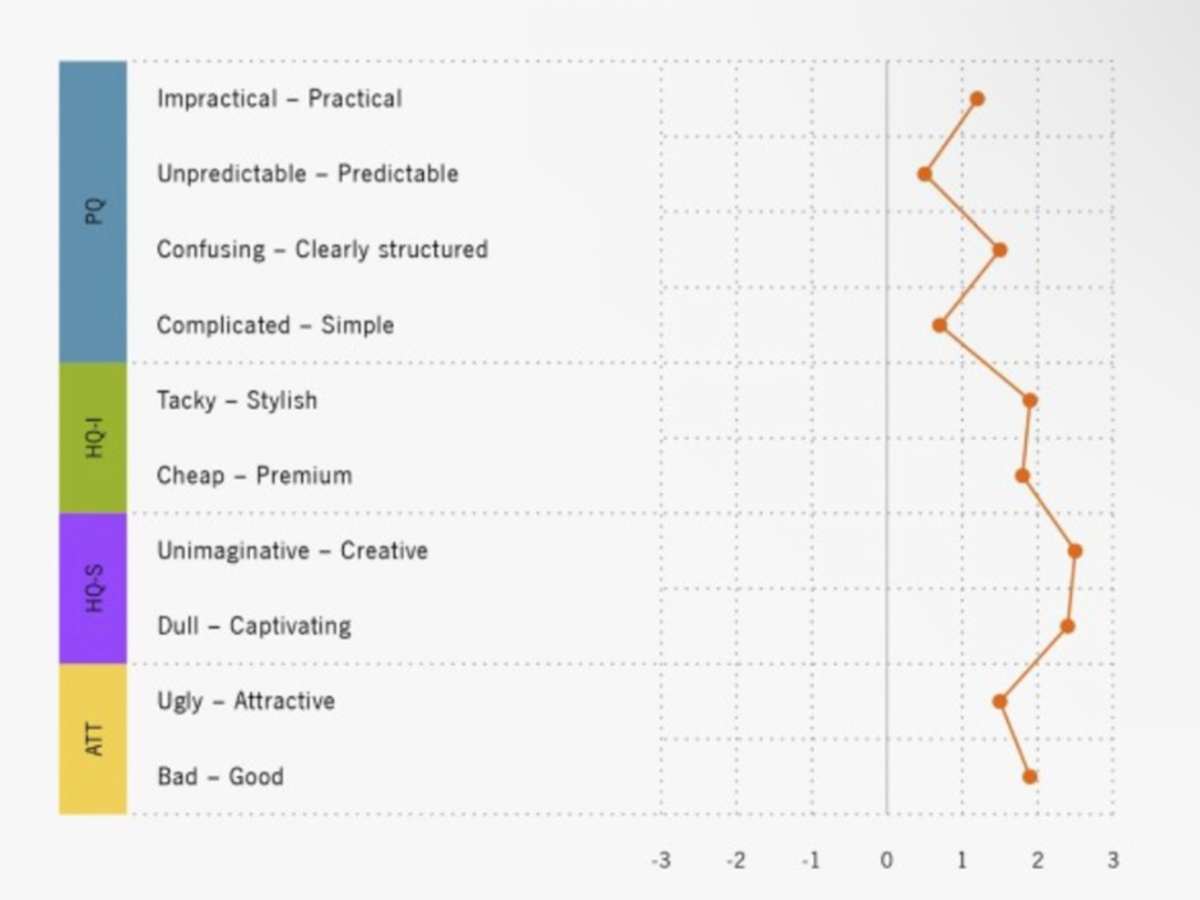
AttrakDiff assessment model
-
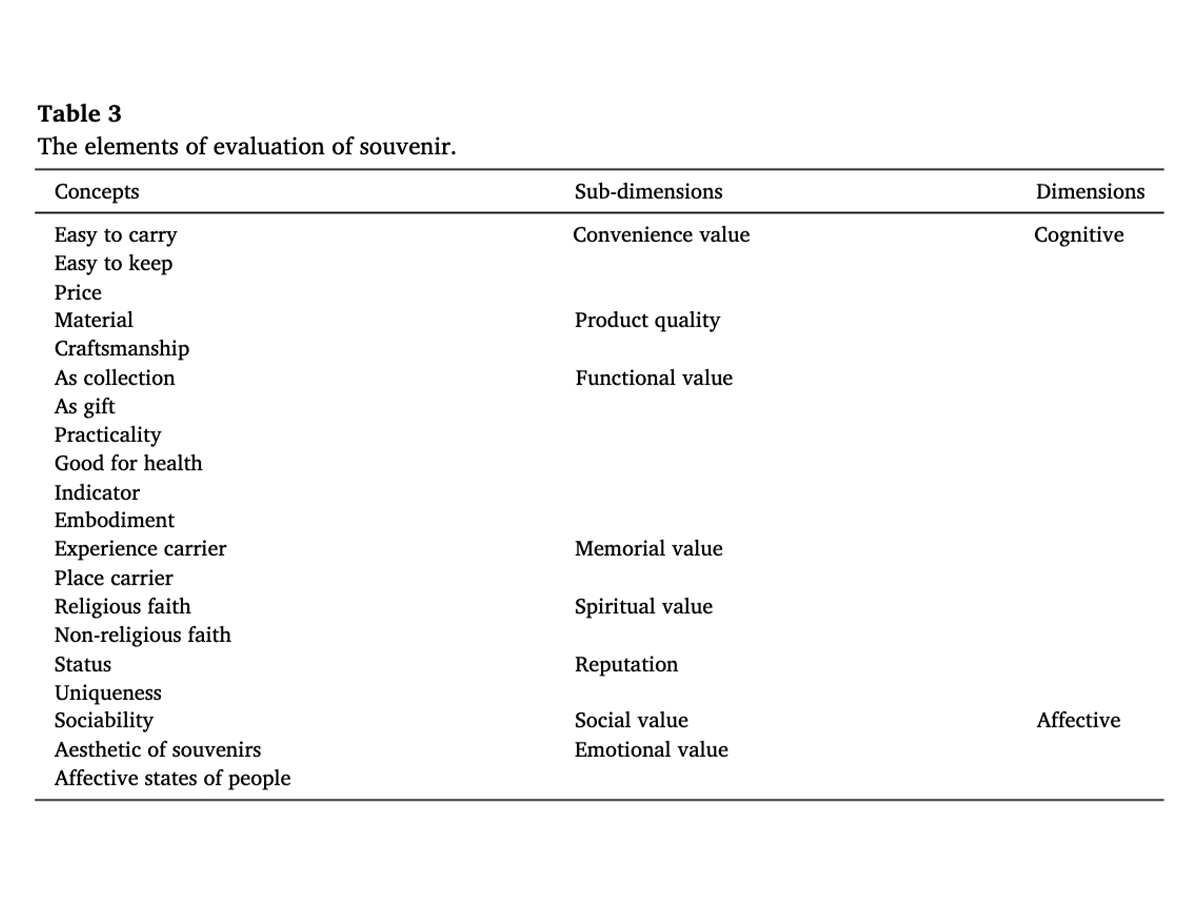
Zi Yan Duan et al.’s framework for evaluating place-based souvenirs
For the evaluation of the interface, the quantitative method is derived from existing metrics, such as an adaptation of the AttrakDiff, to assess the prototypes' pragmatic and hedonic qualities. The metric will be modified to fit the research focus, with pragmatic qualities emphasising creative value rather than traditional usability.
The metric for evaluating the souvenir’s value will be adapted from Zi Yan Duan et al.’s framework, tailored here to assess bio-data-driven meaning rather than place-based associations. Guidelines from Petrelli et al.’s work on tangible data souvenirs will help this modification, particularly in understanding the souvenir’s role and its reflective potential under the context of an individual’s personal data instead of a reflection of a place.
Meanwhile, qualitative insights will be gathered through semi-structured interviews, open-ended questions, and narrative elicitation techniques, capturing the symbolic and reflective value of the artefacts. Participants will share subjective reviews of the interaction, satisfaction with the experience, and impressions of the interface's attractiveness, alongside reflections on how these factors influenced the perceived value of the souvenir.
Index
When structuring the index for my research paper, I wanted to create a clear and logical progression that reflects the iterative nature of my Research through Design (RtD) methodology. The goal was to ensure that each phase of the research—experimentation, prototyping, and iterative refinement—was effectively represented and tied to the overarching research objectives.
-
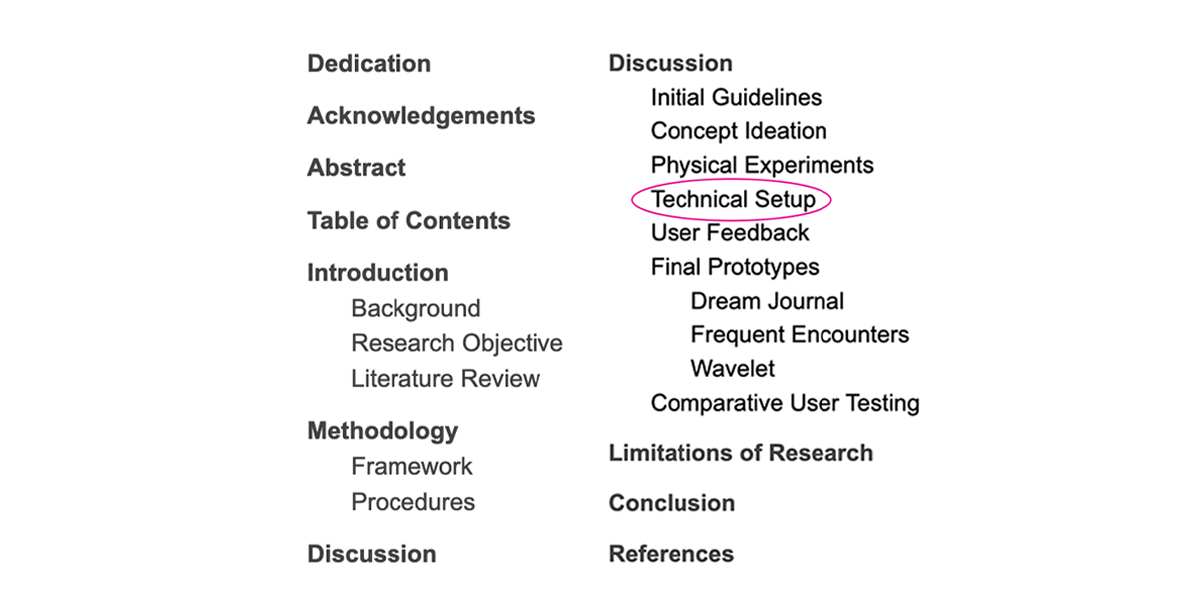
Dissertation index structure draft
The placement of the Technical Setup section was a consideration, as introducing the tools and methods early is important but could disrupt the flow if placed immediately after Concept Ideation, which naturally connects to Physical Experiments. To maintain coherence, the structure was adjusted so that Concept Ideation leads directly into Physical Experiments, ensuring a logical transition from idea generation to practical implementation.
The Technical Setup section follows Physical Experiments, providing context for the tools and systems used in the experiments, making the technical details more relevant and grounded. Subsequent sections, such as User Feedback and Final Prototypes, build on these foundational elements to complete the narrative.
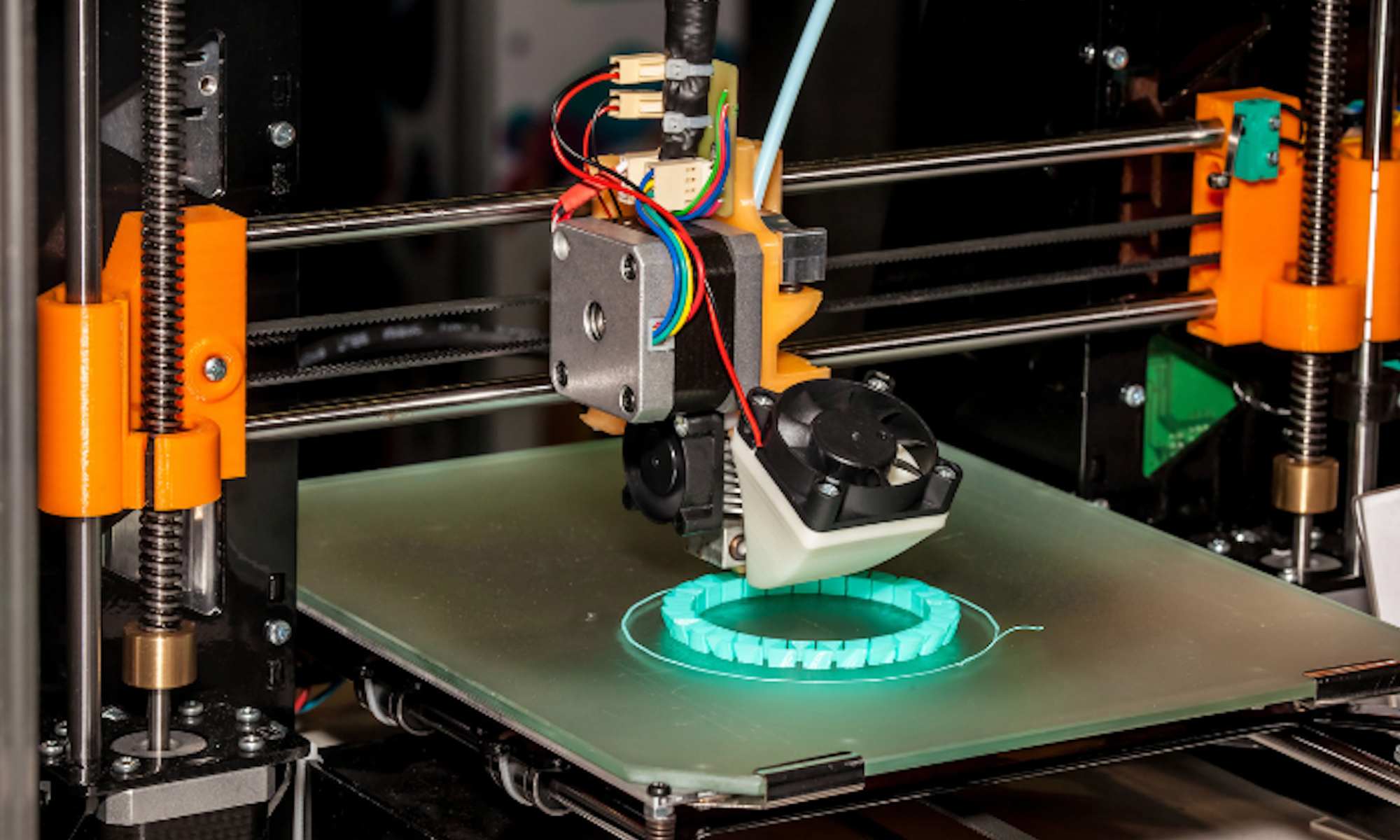
3D Printing
A 3D-printed souvenir is undoubtedly an interesting idea, but it doesn't perfectly align with the context of my research. The central theme of using surrealist automatism as the narrative framework revolves around the lack of reflection, modification, or alteration during the creative process. While this concept can still apply to 3D-printed souvenirs, my current prototypes focus on a specific theme: live printing, where the process of creating the souvenir unfolds in real-time and is perceived (but not reflected on) during the interaction.
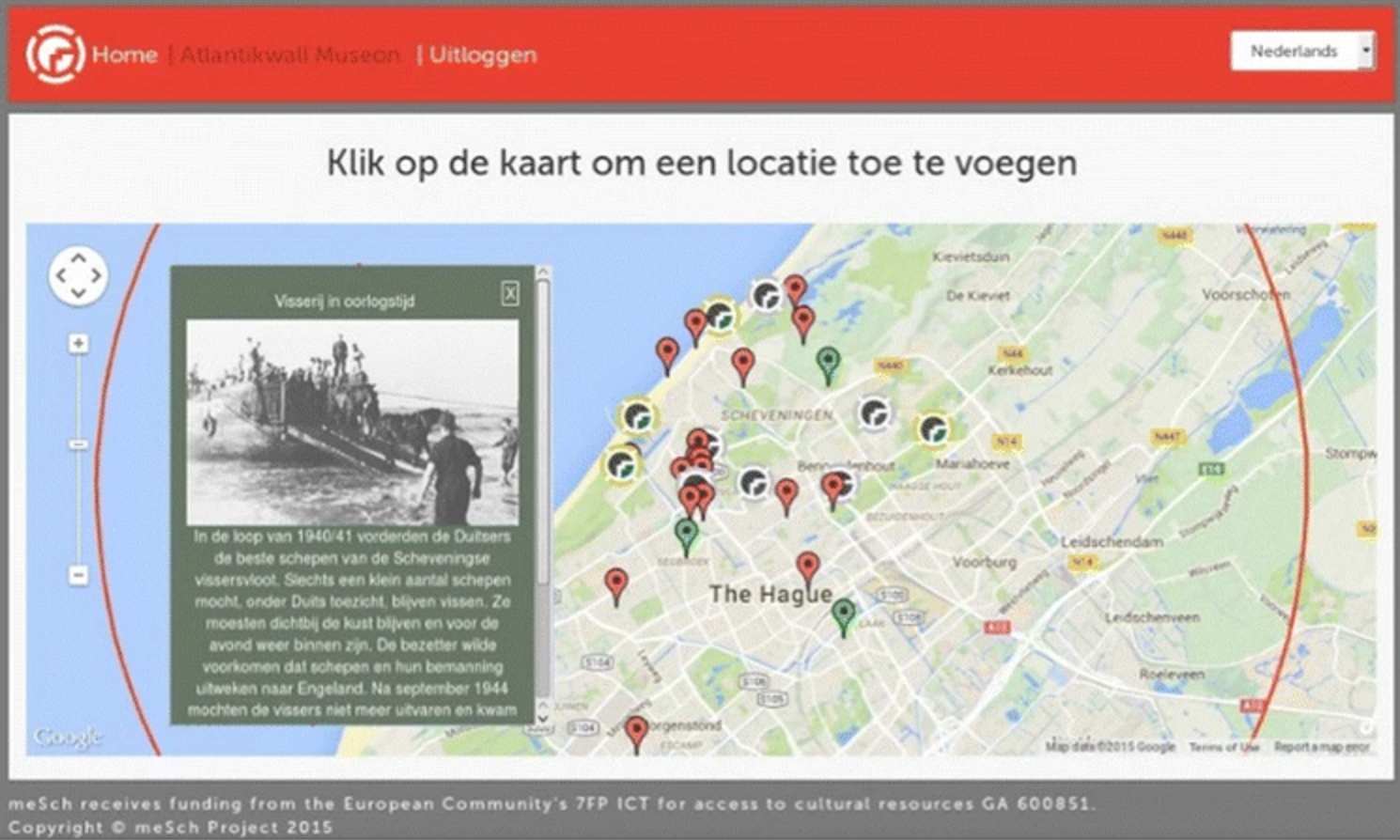
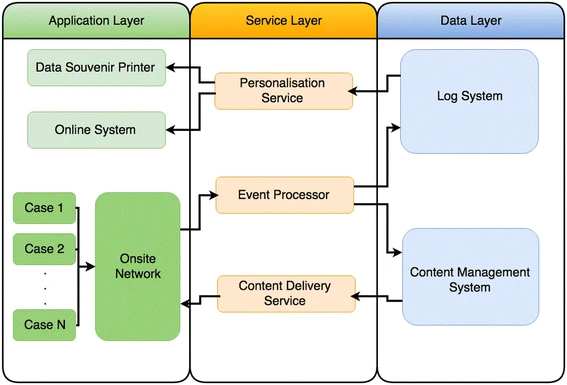
This emphasis on live printing is supported by a research paper I found on data souvenirs of museum visits, which noted that museum visitors, were more engaged with the idea of data souvenirs when they could watch the process of its creation. It contrasts with the more conventional post-production approach, and this real-time creation of a souvenir during the interaction is a notable part of the experience I am designing.
-
3D Printing
-
Example of a data souvenir interface
-
Example flowchart of a data souvenir
-
3d printed brain
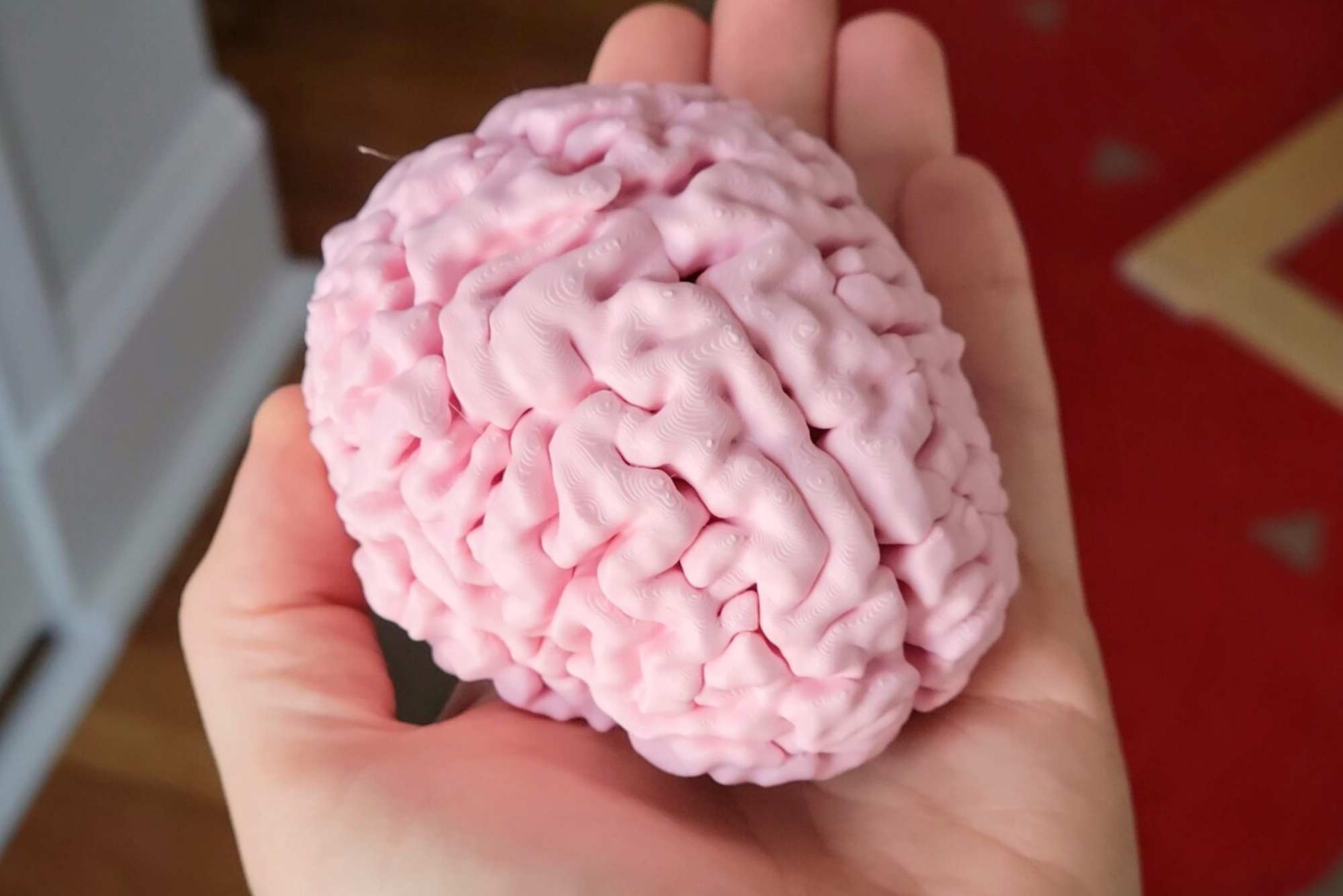
If I were to incorporate 3D printing, it would be challenging to maintain this live-printing theme due to the nature of the process. 3D printing typically involves longer production times, which makes it harder to provide the immediate, real-time interaction. Also, if I had more touchpoints on the EEG device, I could make a 3d data physicalisation of the brain, but since my headband only measures data from the temporal and frontal lobe, that wouldn’t be a good fit. But because I didn’t want to spend most of my spare time on this experiment, I decided to not go through with this idea for now. Maybe I can explore this after graduation when I hopefully have some time for personal projects. Instead, this will be the main material for my interfaces.
I spent some time learning and testing out 3D printing on my friend’s 3D printer. To practise, I designed and printed my own phone charger, which helped me get a sense of how long 3D modelling and printing could take. It ended up taking two weeks just for the printing. Since if a piece is a tiny bit off, it doesn’t fit and you have to adjust the model, slice, then reprint. And printing a single piece can take a few hours. Now that I know what I’m doing, I plan to print three or four prototypes for my project. If I run out of time, I’ll use other methods like laser cutting. I also bought a second-hand 3D printer for $50 on carousell, which I’ll be testing on week 2 when I get the filament.