07
Formative Feedback:
Table Setup and Presentation
23.09.2024 ~ 29.09.2024
Table Setup
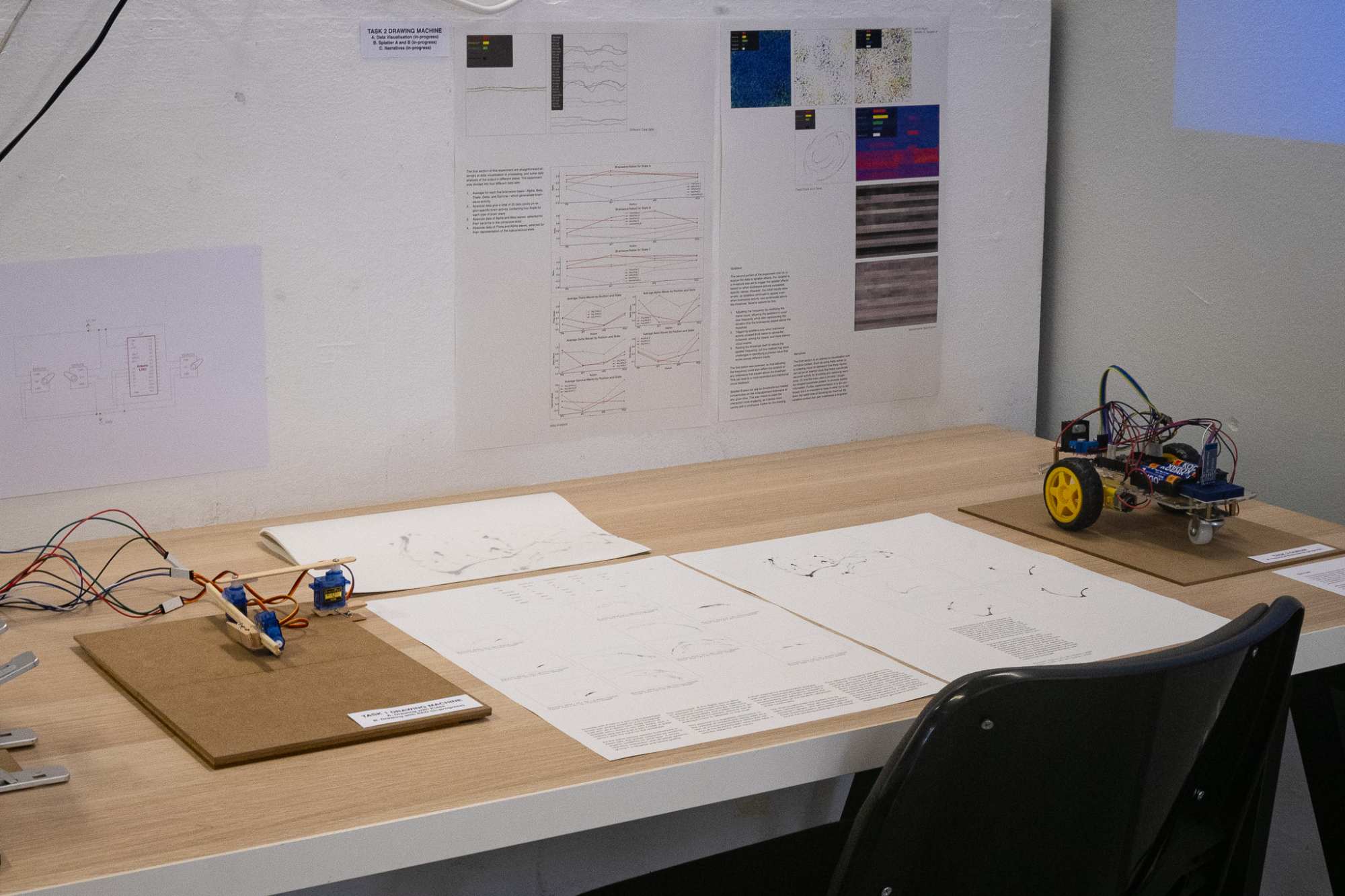
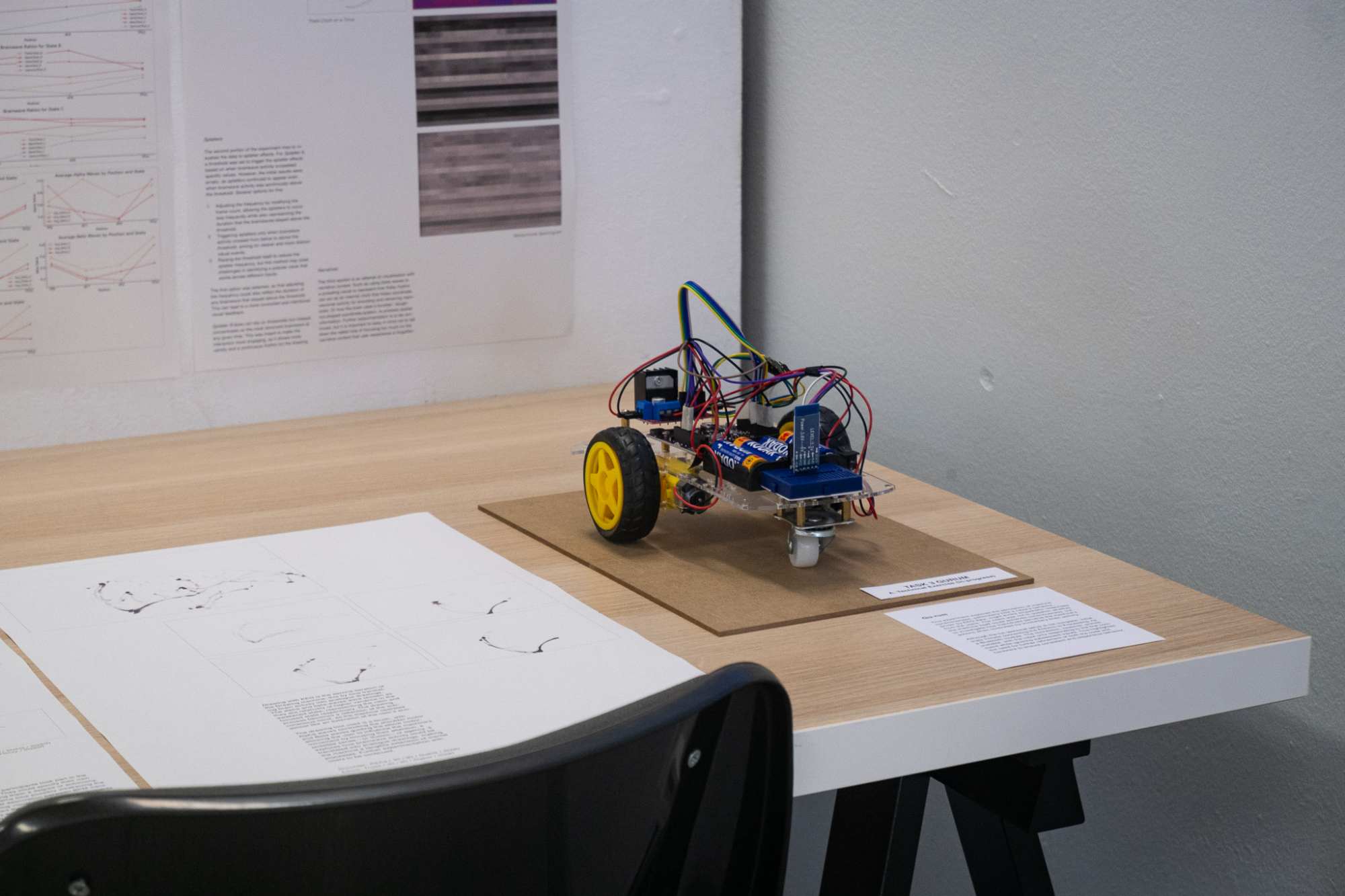
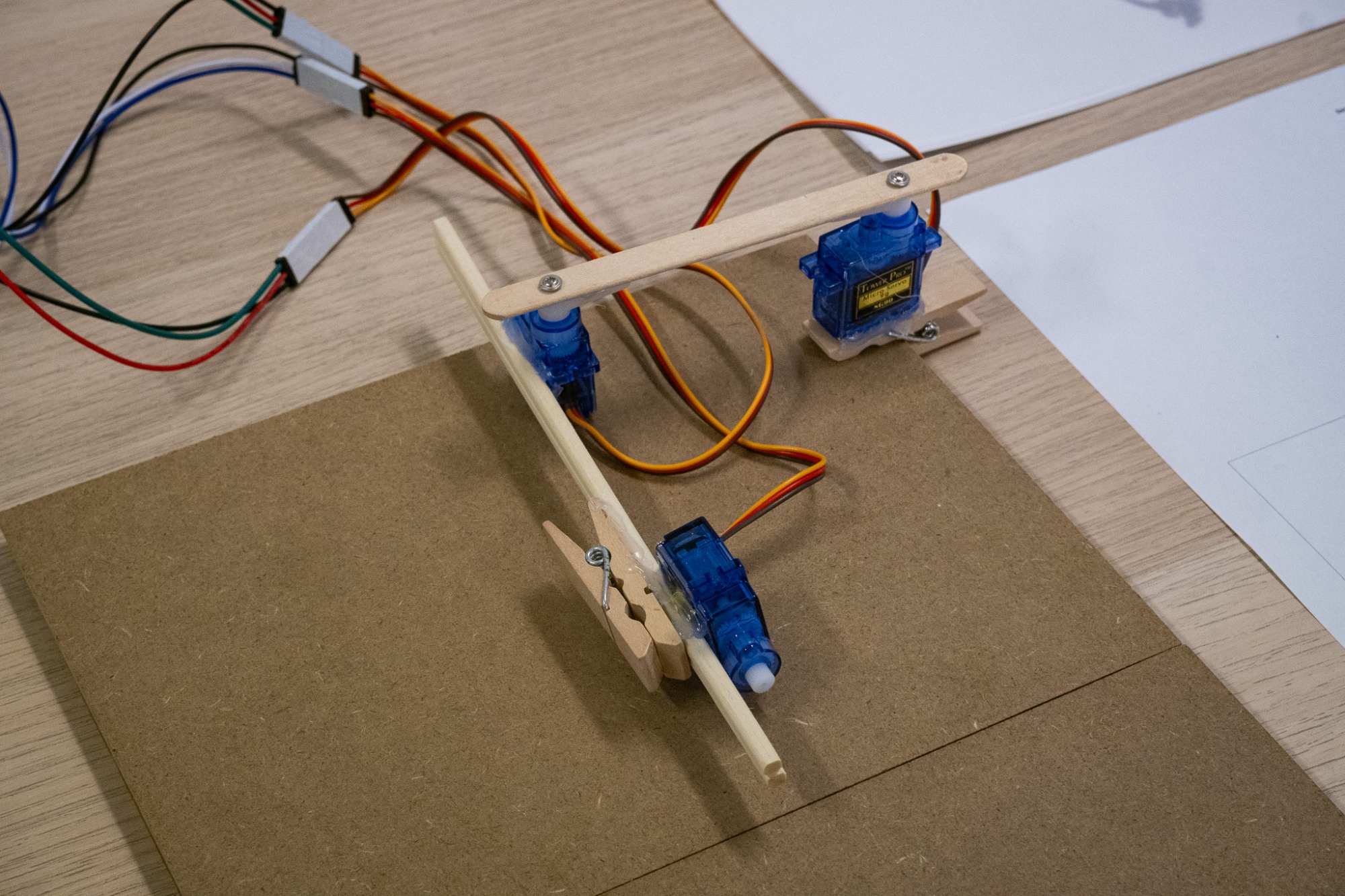
I arrived a bit early to check on the table setup, hoping to make it at least presentable, even though this is a check-in. I thought it would only take about 30 minutes, as I already had a layout in mind. But once I began arranging everything, I realised there was much more to consider. Setting the table was like curating a mini-exhibition.
I needed to think about the viewer's journey through each item, how the layout would guide them, and how to make the setup visually cohesive within the context of the surroundings. I had to balance my original vision with the practical details of the space to create a meaningful sequence for the viewer.

Andreas recommended adding photos of the device and showing people interacting with it, along with more documentation of the interactions themselves, to make the experience clearer. I also realised that people likely won’t read through all the text I’ve written, so my goal for the next round of documentation—most likely my catalog—will be to make the interaction process and setup as clear as possible using images alone. While I’ll still include text descriptions, my aim is for the visuals to communicate the experiments’ purpose even if someone skips the text.
Another piece of feedback was to improve the clarity of my graphs. In my rush, I hadn’t noticed that the current graphs weren’t suitable for showing differences between various data sets. Using a line chart didn’t make sense, as I’m not trying to demonstrate trends over time. These graphs were intended to supplement the analysis of EEG data, so I’ll need to correct them to ensure they accurately convey the differences I’m aiming to highlight.
Dreams
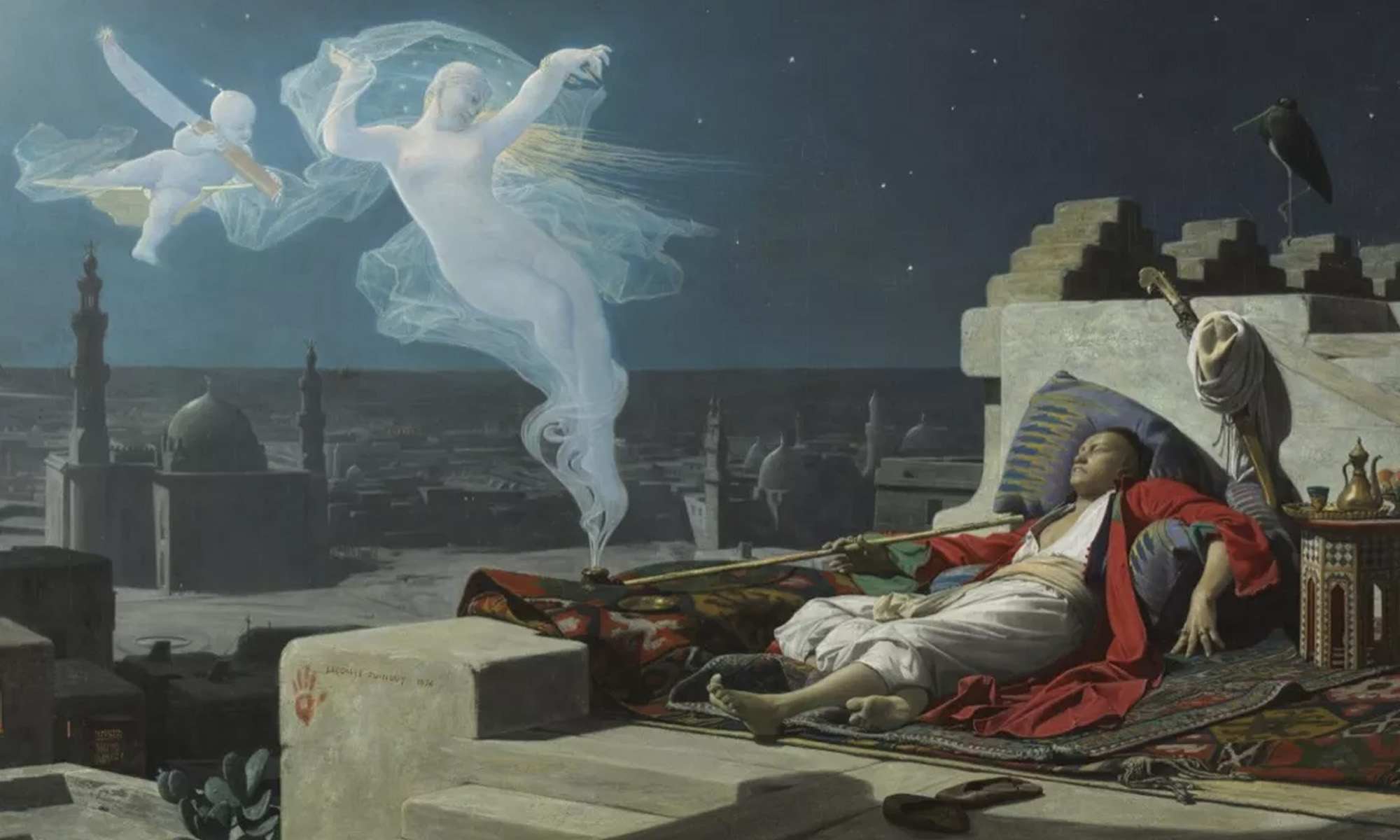
With the making check-in now behind me, I’m getting back into a research mindset to prepare for my research proposal. I will begin with another “rant,” which I hope will develop into something substantial. I am looking into an inevitable topic: dreams.
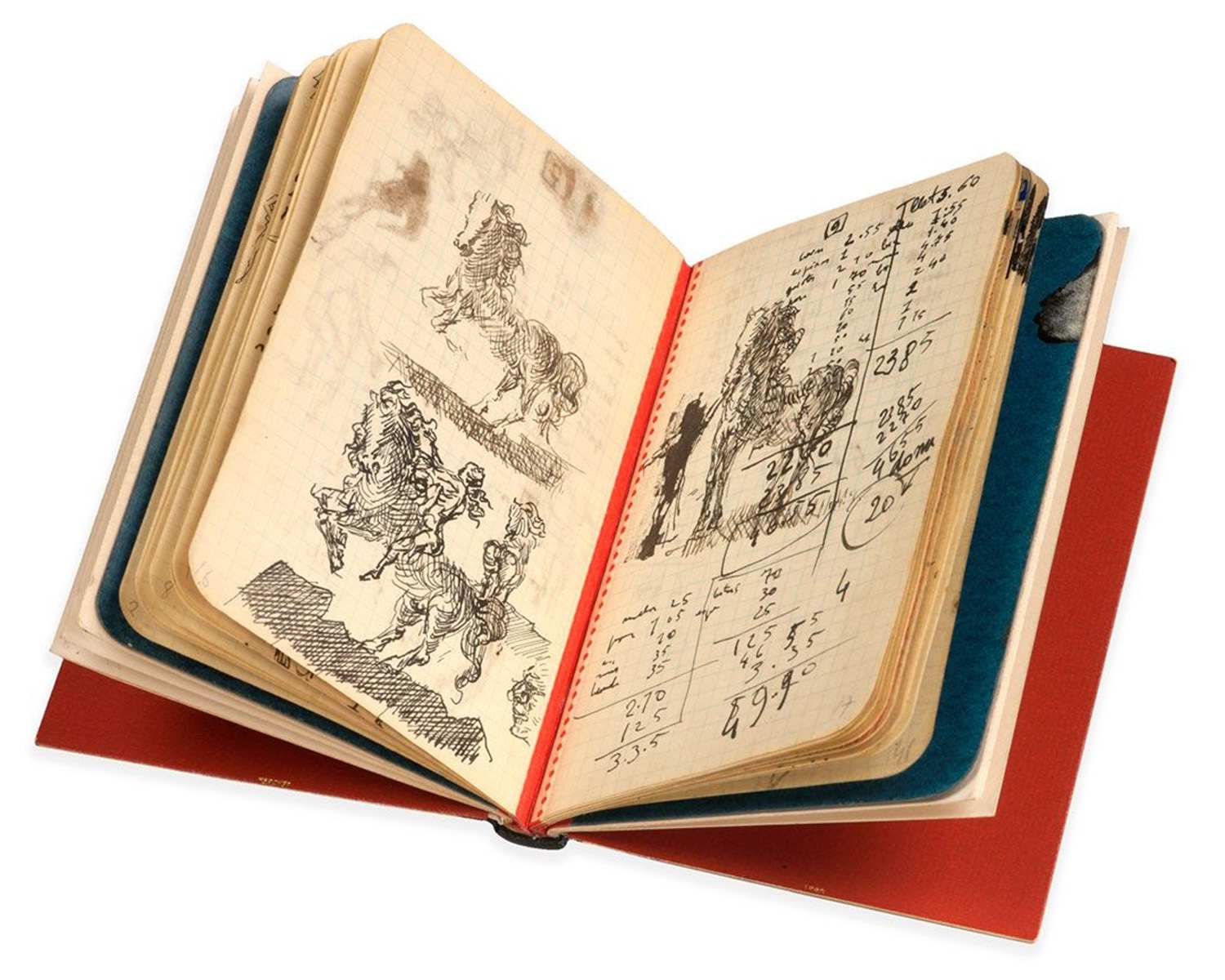
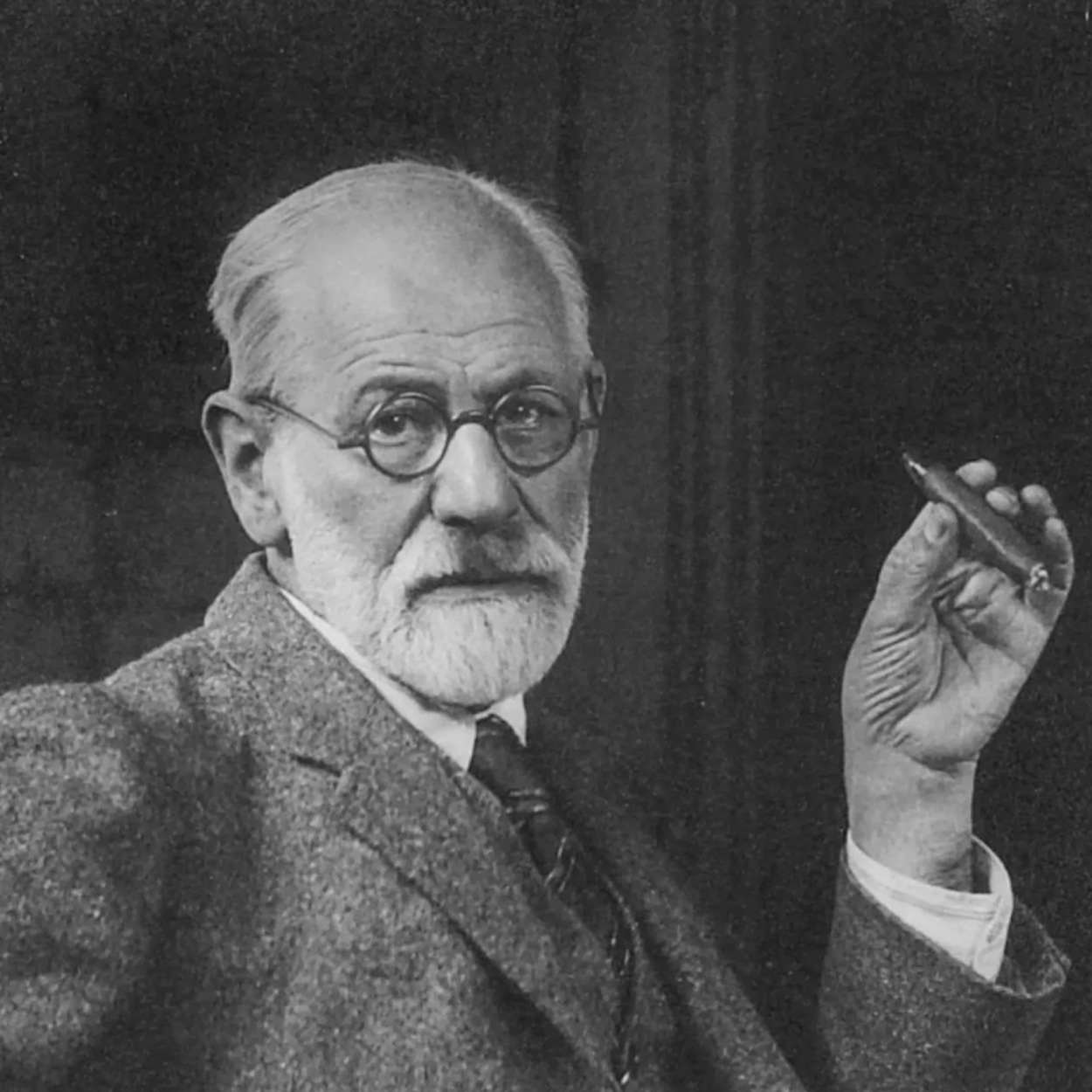
Salvador Dali's
Diary
edition.cnn.com/style/article/salvador-dali-diary-sothebys/index.html
I have a somewhat unusual habit. I write down my dreams. It’s almost like collecting fragments of another world every morning. There's something surreal about waking up and knowing that only hours ago, I was in a place where reality bends, where objects, people, and situations make sense in their own strange logic.
It's not that I see these dreams as predictions or messages from beyond, but as mirrors reflecting hidden parts of my mind. Feelings I might suppress or overlook in my waking life. By recording them, I find patterns and symbols that recur. Each entry is a piece of a personal language that I'm slowly deciphering. It’s almost as though my subconscious has its own storytelling style, creating metaphors and puzzles that I can revisit.
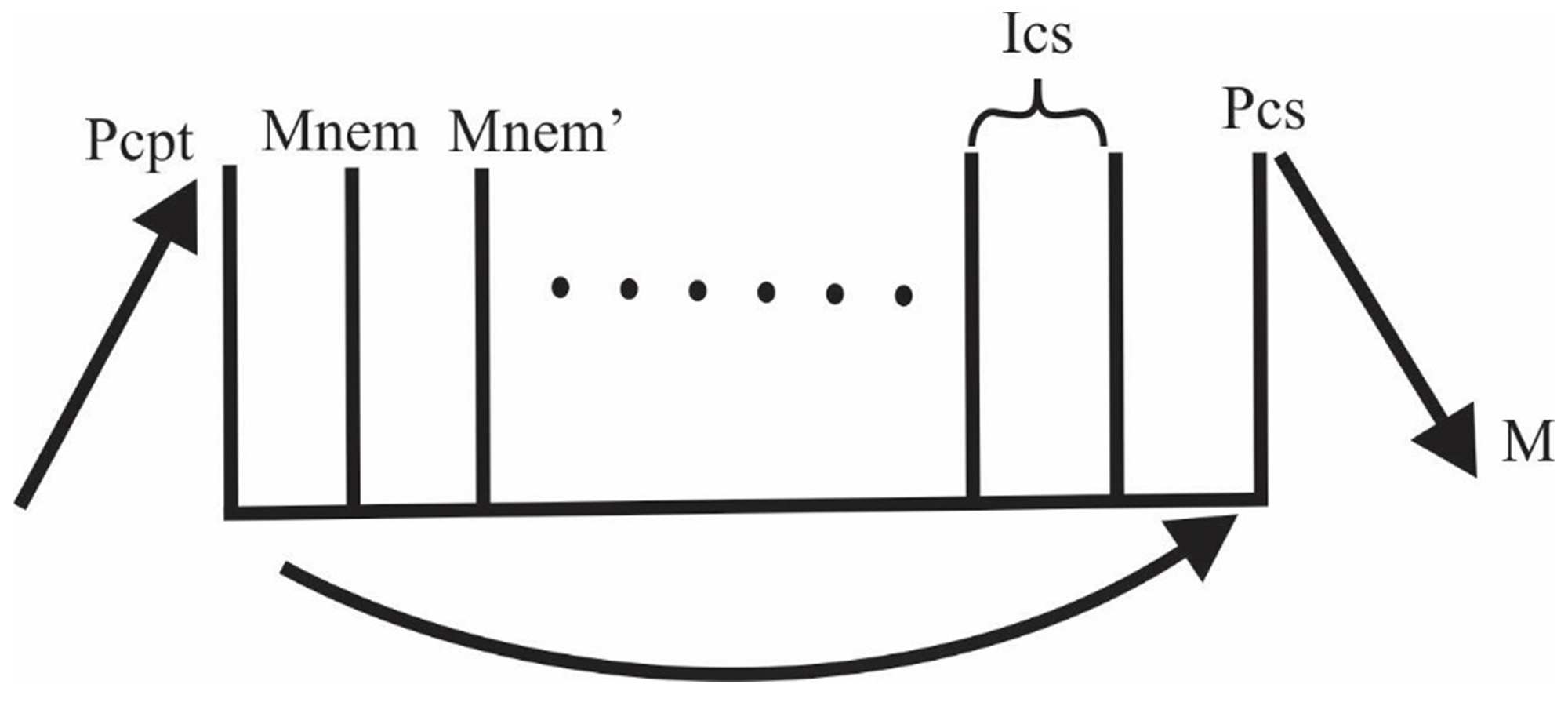
There is the idea of “wish fulfillment” in dreams, mentioned in Freud’s The Interpretation of Dreams. He says that dreams continue from our waking experiences, something he called the day residue. While not every dream is a pure wish, they can reveal subtle desires or anxieties. Freud’s diagram shows how the mind processes information differently in waking life versus dreams. In daily life, stimuli (like sounds or images) enter through the perceptual system ("Pcpt"), leaving memory traces ("Mnem") that accumulate over time, especially from childhood experiences.
Most of these memories, along with deep wishes and fears, are stored in the unconscious ("Ucs"), but the preconscious ("Pcs") brings relevant memories to our awareness when needed. This flow moves left to right, from sensing to acting. In dreams, however, the process reverses, starting with unconscious wishes that move backward through layers of memories until they reach the perceptual system ("Pcpt"), creating vivid, hallucinatory images that we experience as dreams. Would it be possible to change my dreams to visualisations? I hope to go beyond simple journaling.
Surrealism
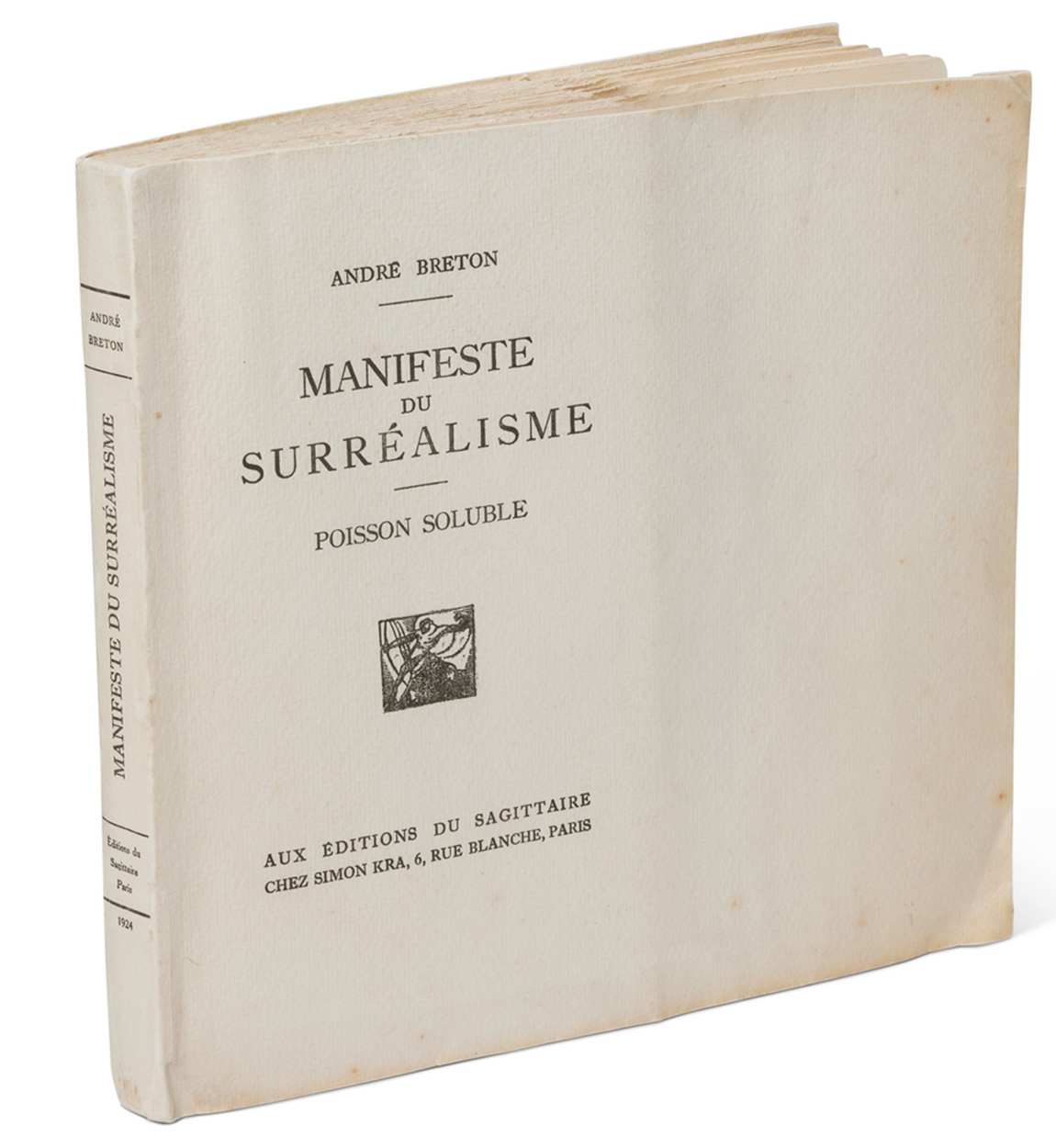
The surrealist imagery in dreams have naturally drawn me toward a surrealist perspective. In 1924, André Breton launched the Surrealist movement with his Surrealist Manifesto, defining Surrealism as the blending of the conscious and the subconscious to create a “superior reality.”
This manifesto mentions a “pure psychic automatism”, an uninhibited expression of thought, free from reason, aesthetics, or morality. Looking back, I wonder whether Breton knew he was setting the stage for something so pervasive in the collective unconscious.
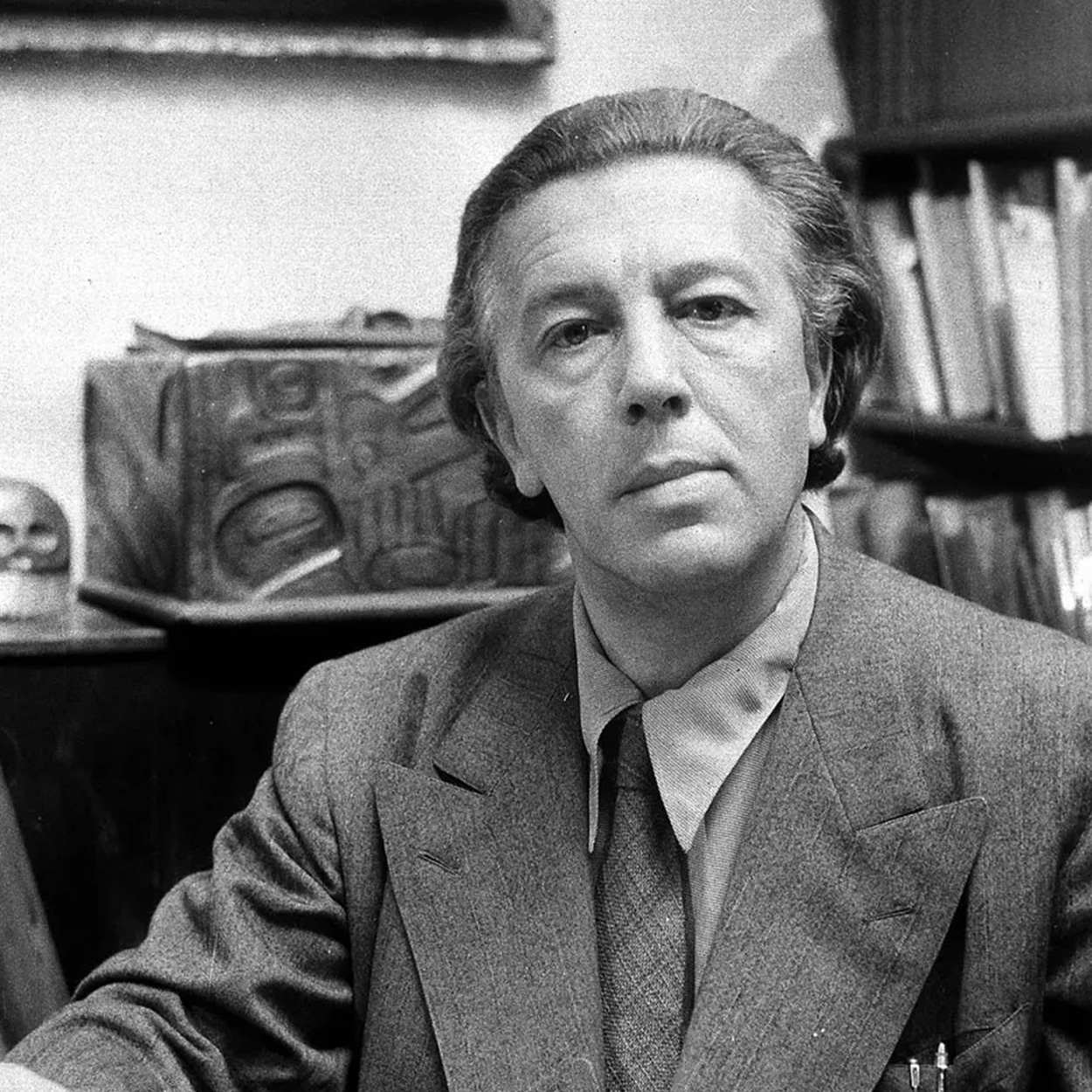
But why Surrealism? Why did it appear when it did, and how did it become what it is? It began at a crossroads: the world was reeling from the trauma of World War I, grappling with physical and psychological wounds that defied previous understanding. Breton himself, a medical student, had faced the realities of shell-shock firsthand, tending to soldiers who seemed haunted by something beyond physical injury.
This era saw Sigmund Freud’s theories of the subconscious catching on like wildfire, seeding a new, uncomfortable awareness of the mind’s hidden depths. Breton met Freud, admired him, and absorbed his ideas into the manifesto. Surrealism, thus, owes much to the Freudian subconscious, but it looked for a freedom even Freud couldn’t touch: to see beyond reason, to find beauty in the irrational and the fantastic.
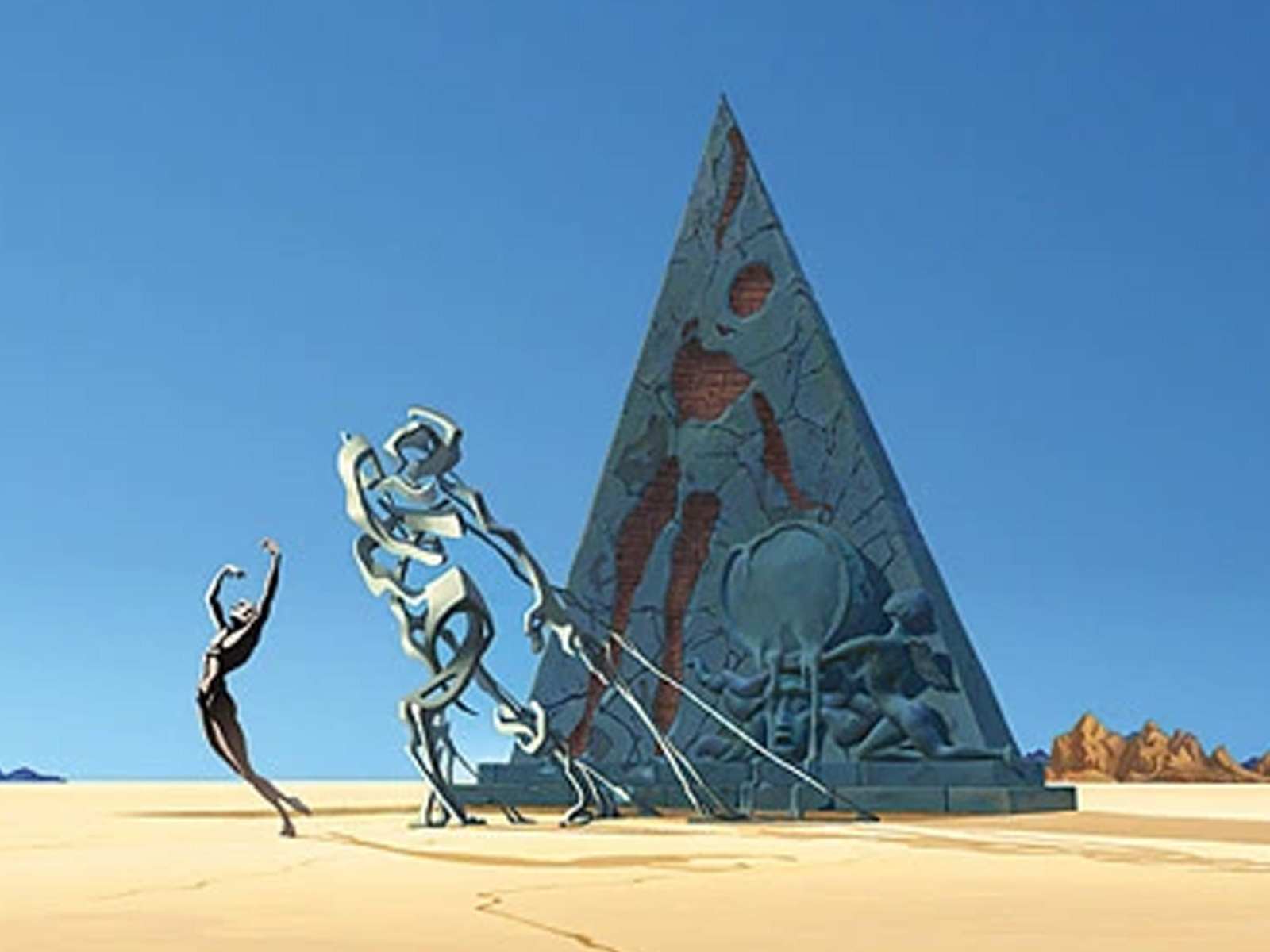
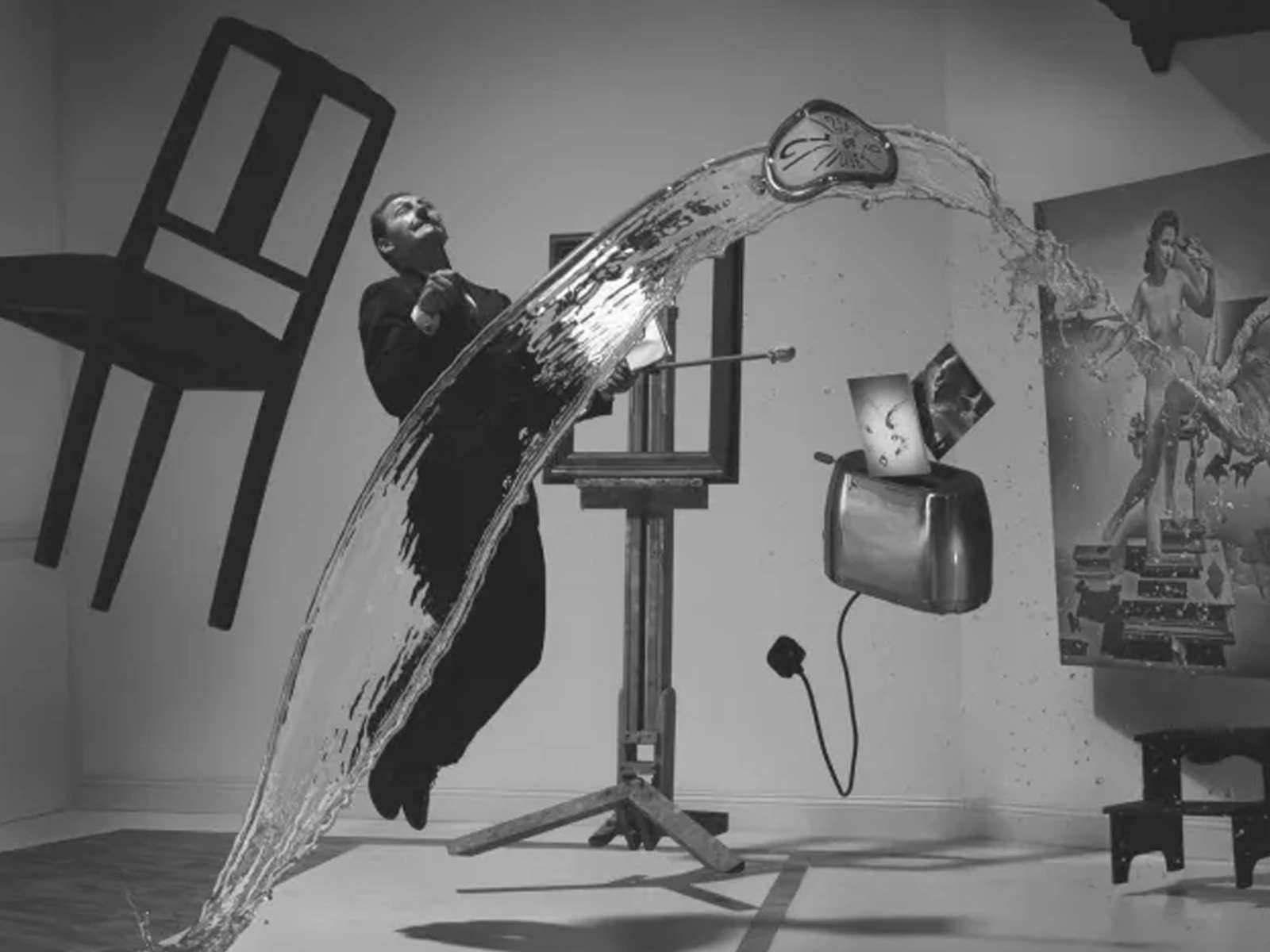
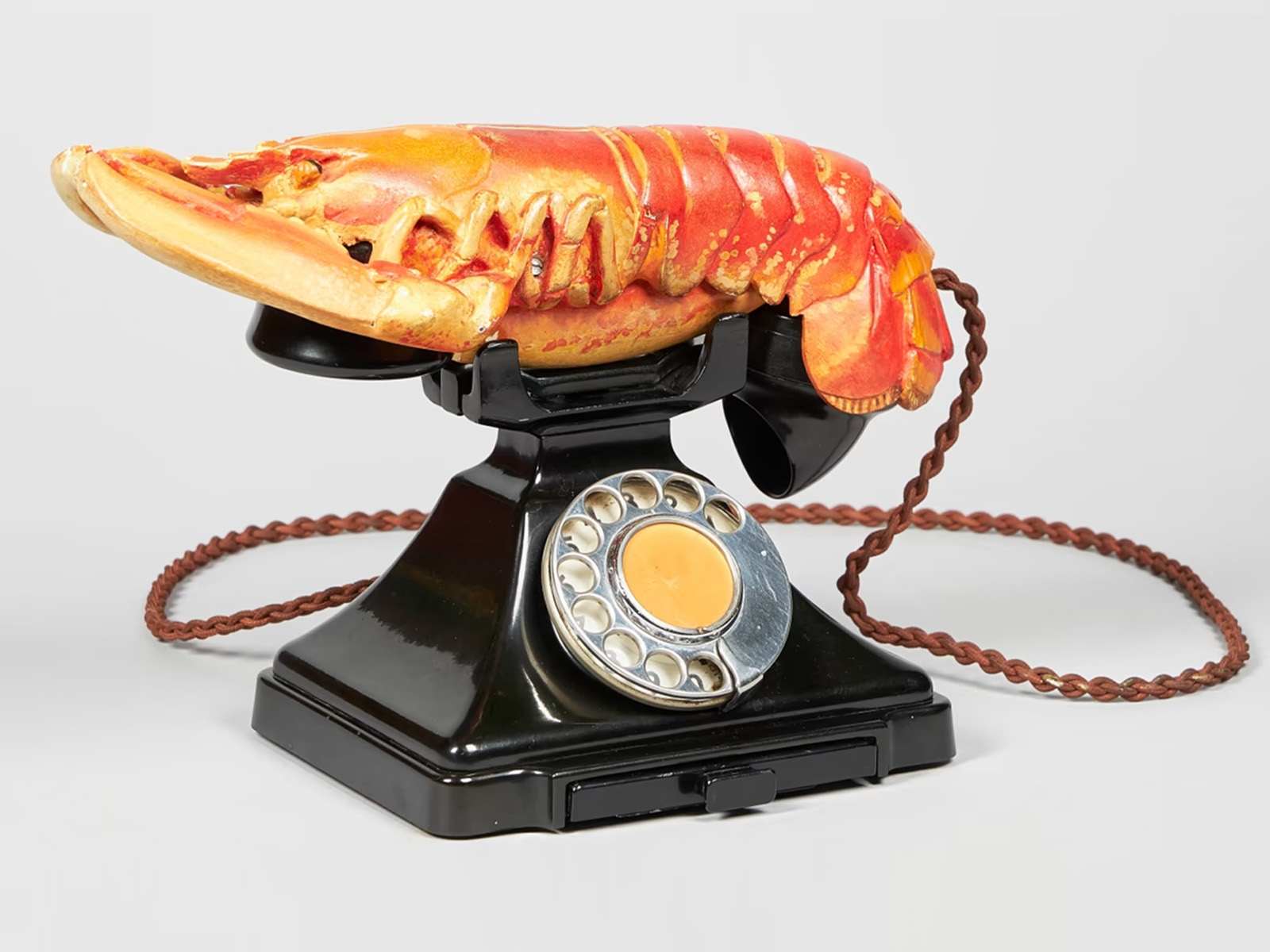
In the perspective of a design student from the 21st century, defining Surrealist art itself is overwhelming. Unlike Impressionism or Cubism, it spans across a spectrum without a single aesthetic form, and is unified instead by its psychological concepts.
Among other interpretations, I would define the core theme of Surrealism to be individuality. Each artist tried to channel their unique experience of dreams and imaginative free association.
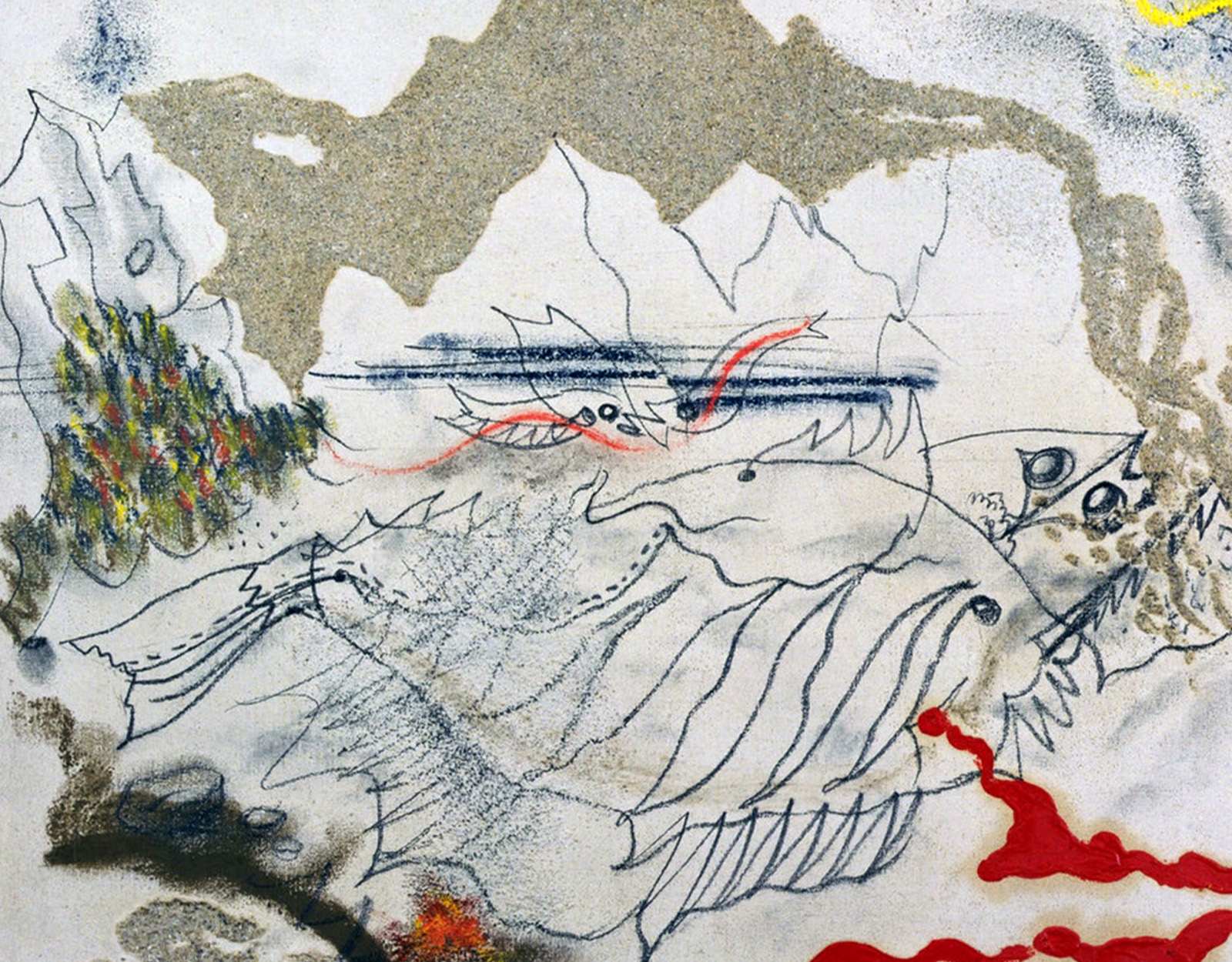
Masson’s Battle of Fishes embodies the abstract end of the spectrum, where automatism and chance can create organic, biomorphic shapes, expressing a raw subconscious intensity shaped by his war experiences.
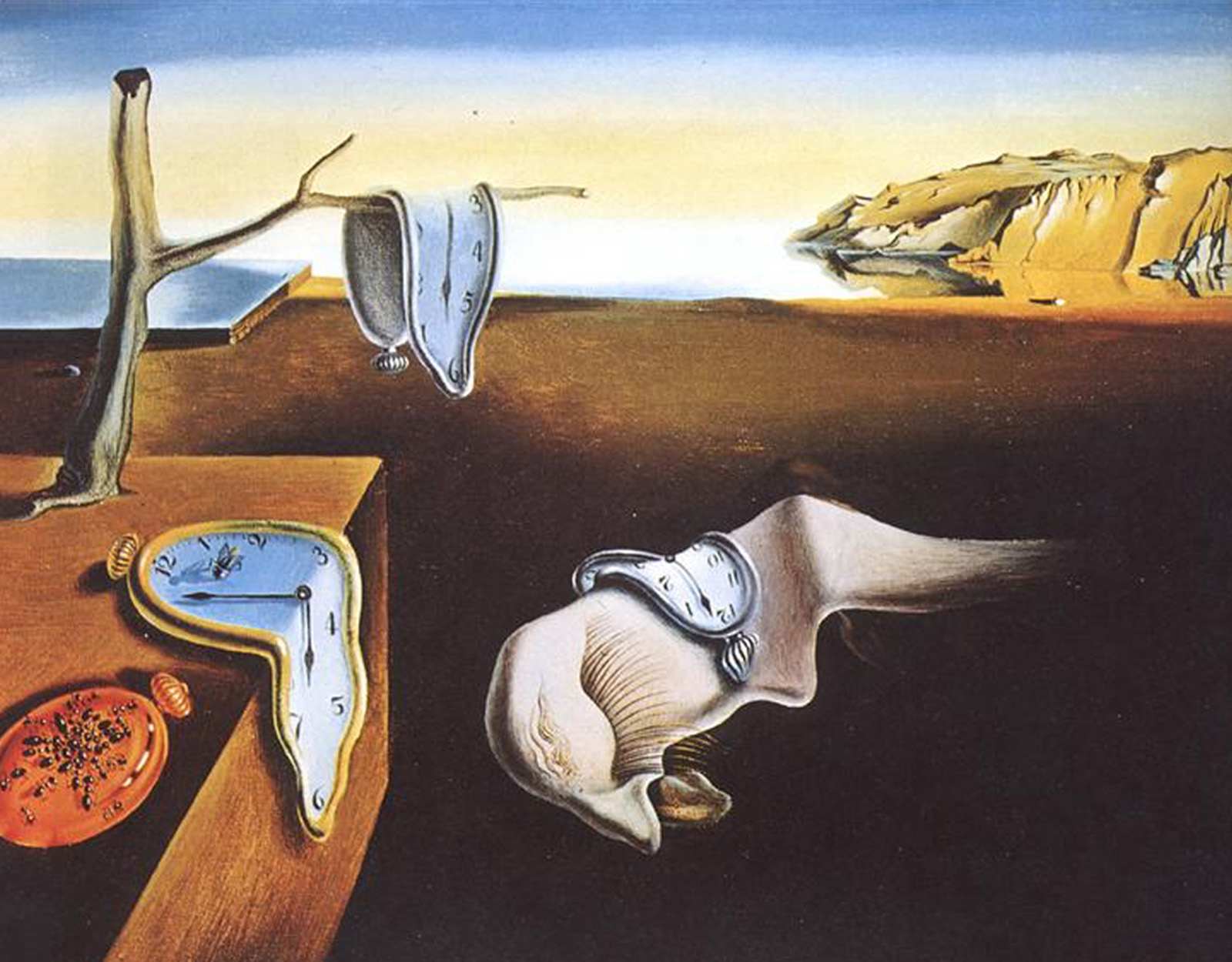
At the other end is Dalí’s dreamlike illusionism, seen in works like The Persistence of Memory, where the scenes blur the line between reality and the dream world, which can unsettle the viewer’s perception of the familiar.
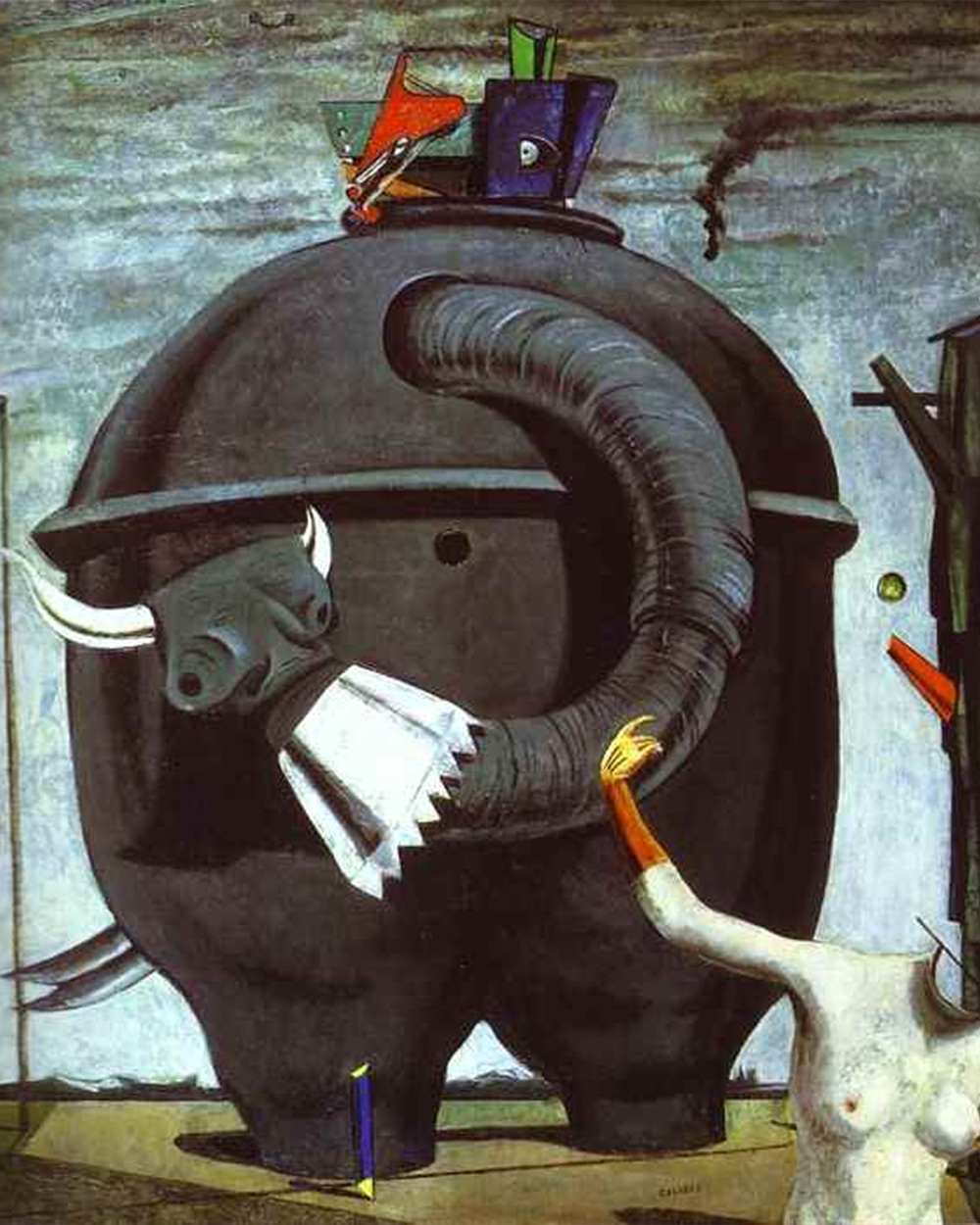
An artist that I would say bridged both extremes is Max Ernst, with techniques like grattage, where textures formed through chance gave rise to new imagery. His Celebes, a surreal amalgam of mechanical and organic forms, invites viewers to confront their unconscious associations within an enigmatic visual puzzle.
Surrealism, Machines
...and Authorship?
Machine Learning
xkcd.com/1838/
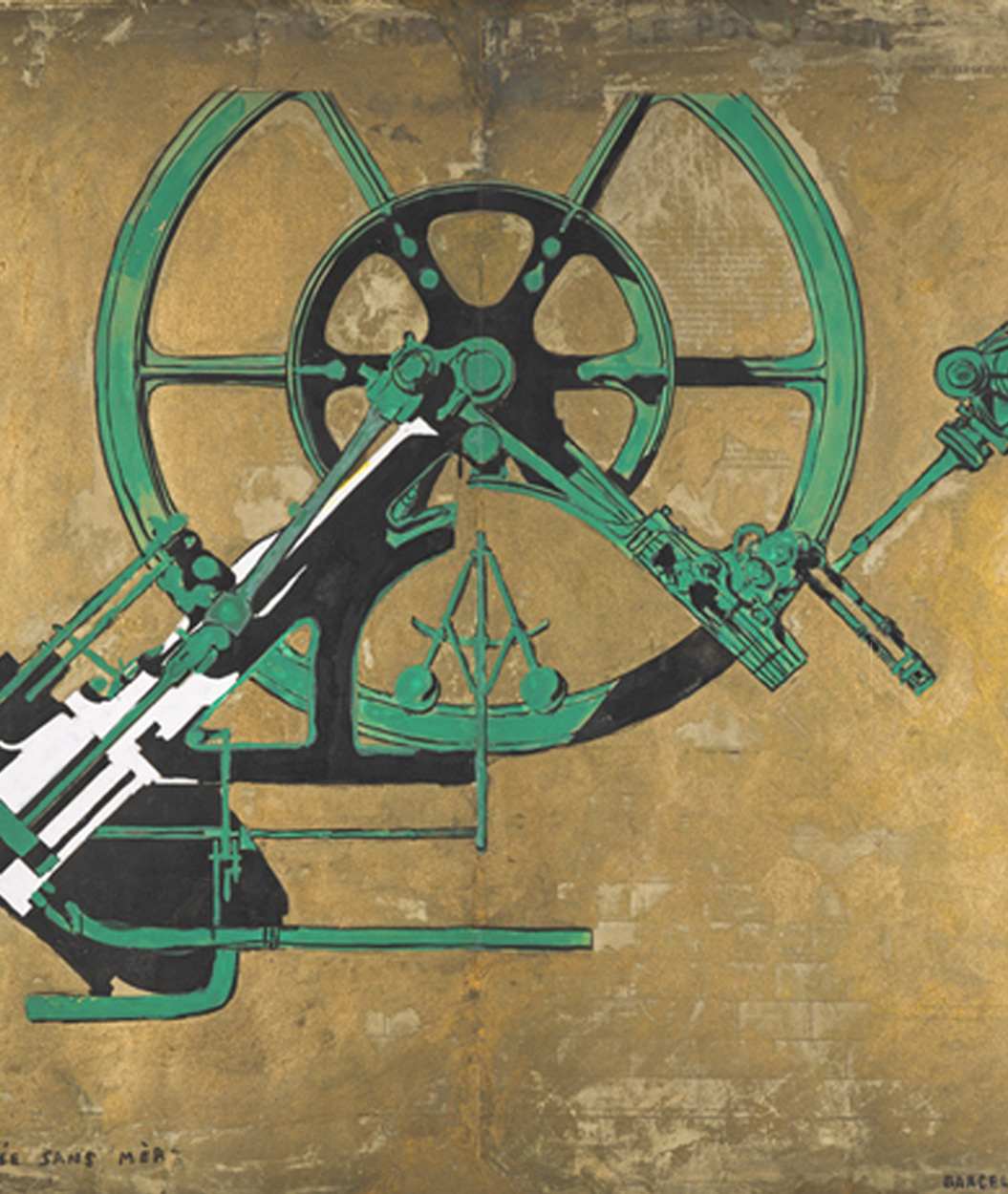
Girl Born without a Mother by Francis
Picabia
nationalgalleries.org/art-and-artists/8581
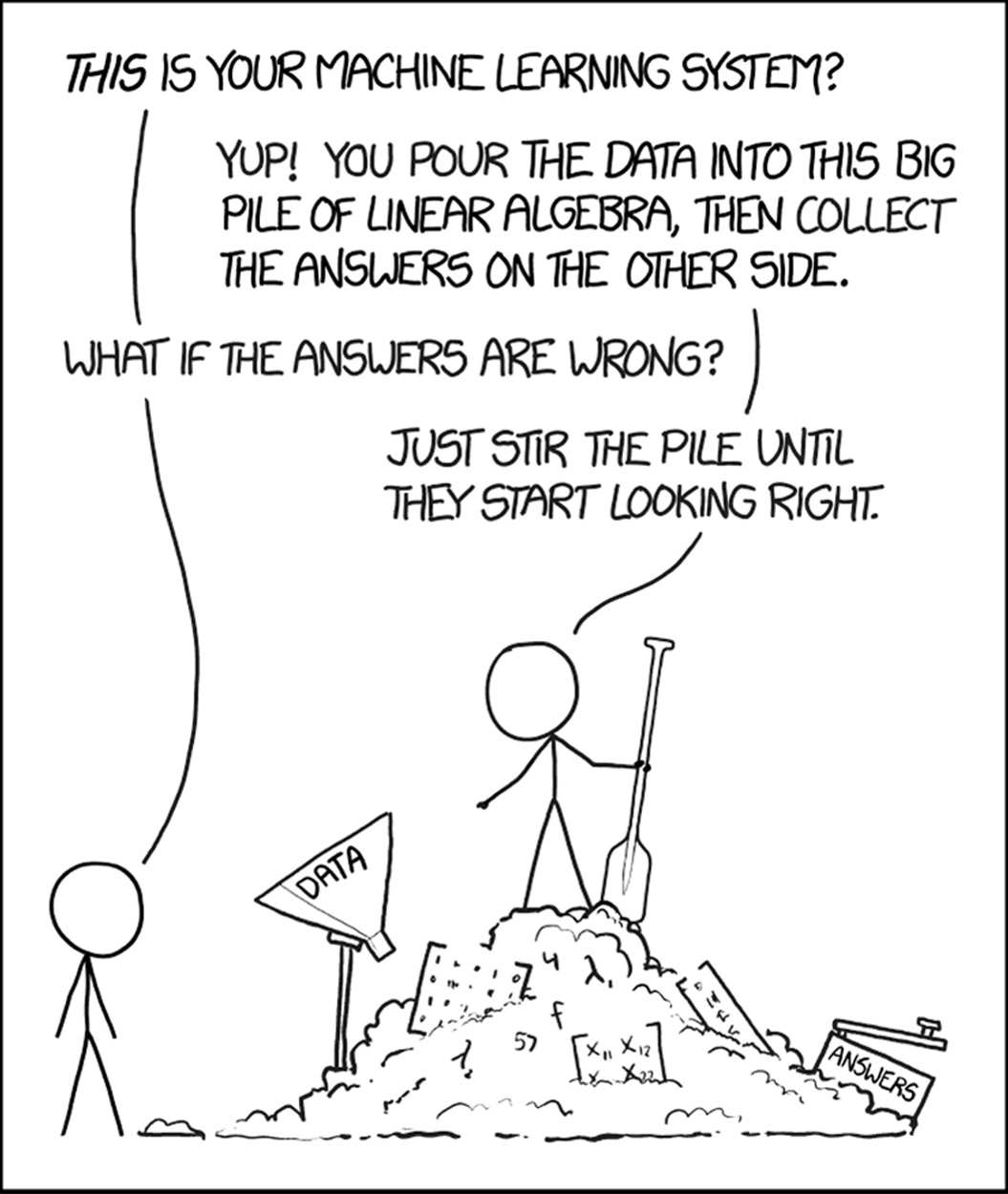
In relation to my project, it is not difficult to connect the surrealist perspective with contemporary machines. In his 1950 paper Computing Machinery and Intelligence, Alan Turing posed the question, "Can machines think?" and predicted that society would eventually accept the idea of thinking machines. Today, this vision feels especially relevant, with the rise of neural networks in the early 2000s marking a major leap toward machines mimicking the brain’s processing through deep learning.
While Turing’s contributions were grounded in scientific progress, the idea of machines with intelligence also inspired his counterparts in avant-garde movements such as Dada and Surrealism. Artists like Max Ernst, Salvador Dalí, and Francis Picabia explored the man-machine hybrid in their works, influenced by thinkers like Gaston Bachelard, who believed that merging opposing concepts, such as man and machine or the conscious and unconscious mind.
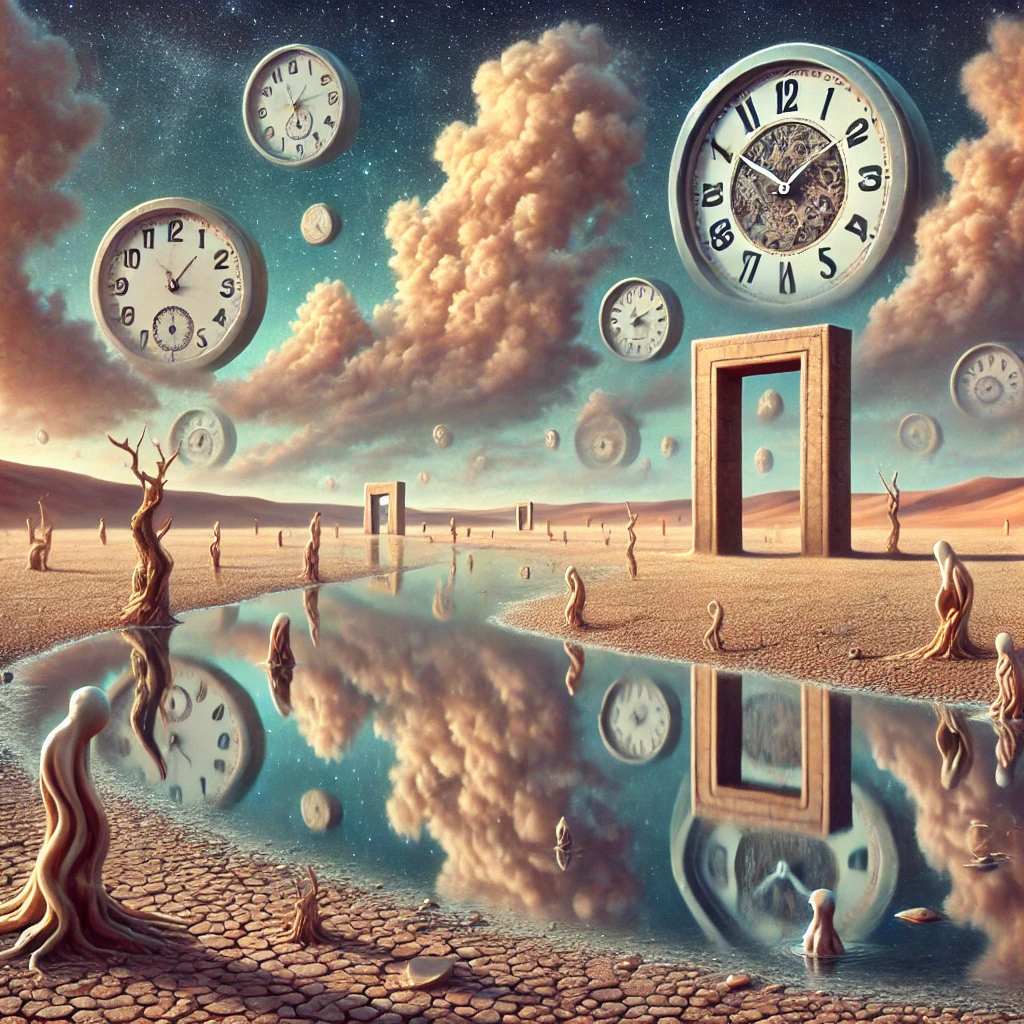
AI generated image when prompted, "Create a surrealist image"
Dall E
There’s something exciting about how these early 20th-century experiments are still relevant in the present, where AI now creates art, music, and writing, blurring the lines of human and machine creativity. And this "blurring" makes us think about uncomfortable questions about authorship.
If machines can participate in making art, who gets to be called the creator? Does the machine have autonomy? Yet our notions of authorship remain stubbornly linear. It's time to rethink that concept, to open ourselves to a new understanding of authorship that holds space for human creativity and the evolving role of machines.
Automatism and Biofeedback
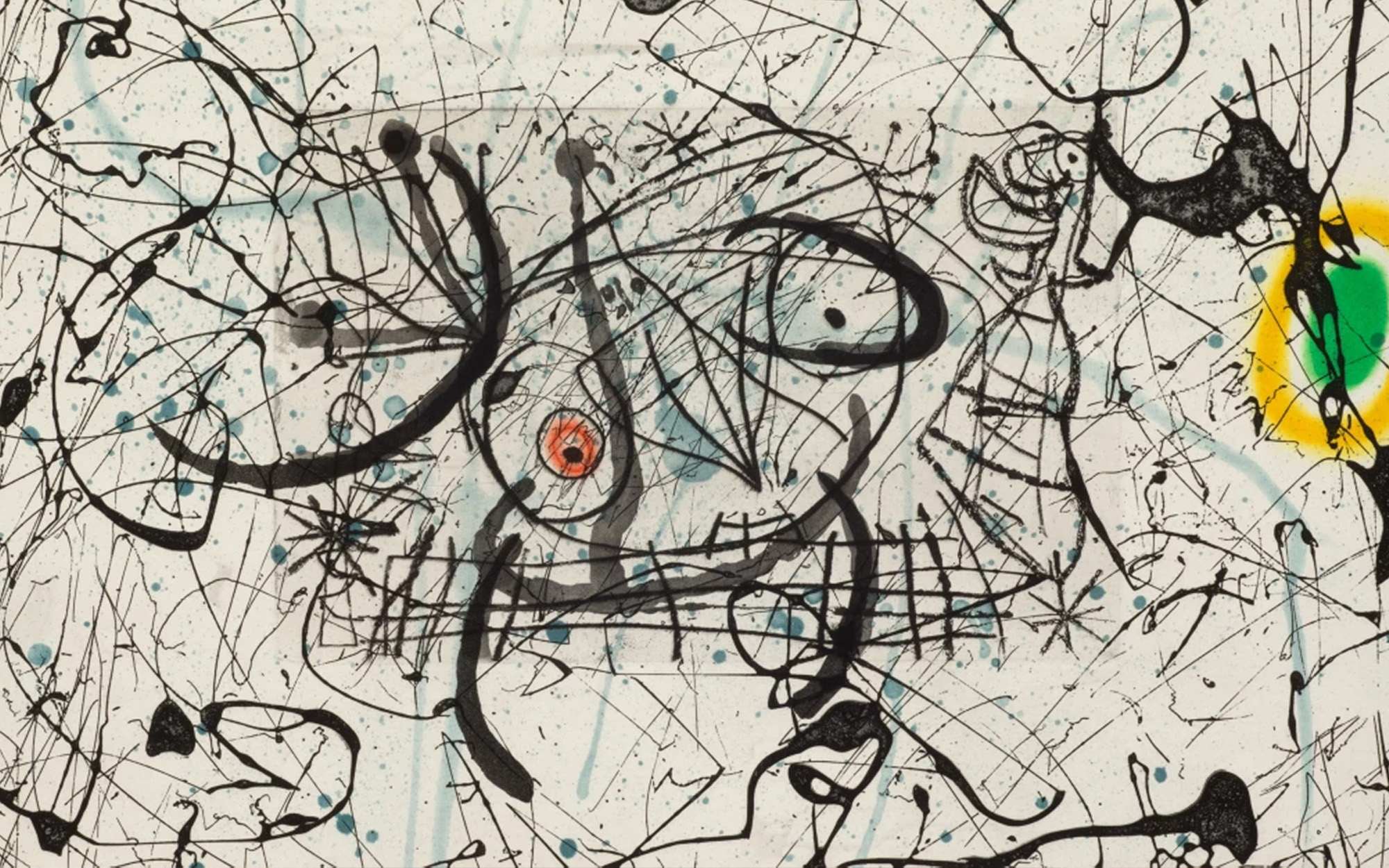
So how do all these ideas connect to biofeedback? Here, I would like to mention an interesting connection that suits my inquiry into involuntary control. Surrealist automatism, as mentioned above, is a technique within Surrealist art that involves relinquishing control and allowing the body to act as a vessel for the unconscious mind.
In explaining automatism, Breton used an analogy of a machine to describe the surrealist's body. In his “First Manifesto of Surrealism”, he called the artist a "modest recording instrument", suggesting that they should act as a passive observer, merely capturing the creative process without interference.
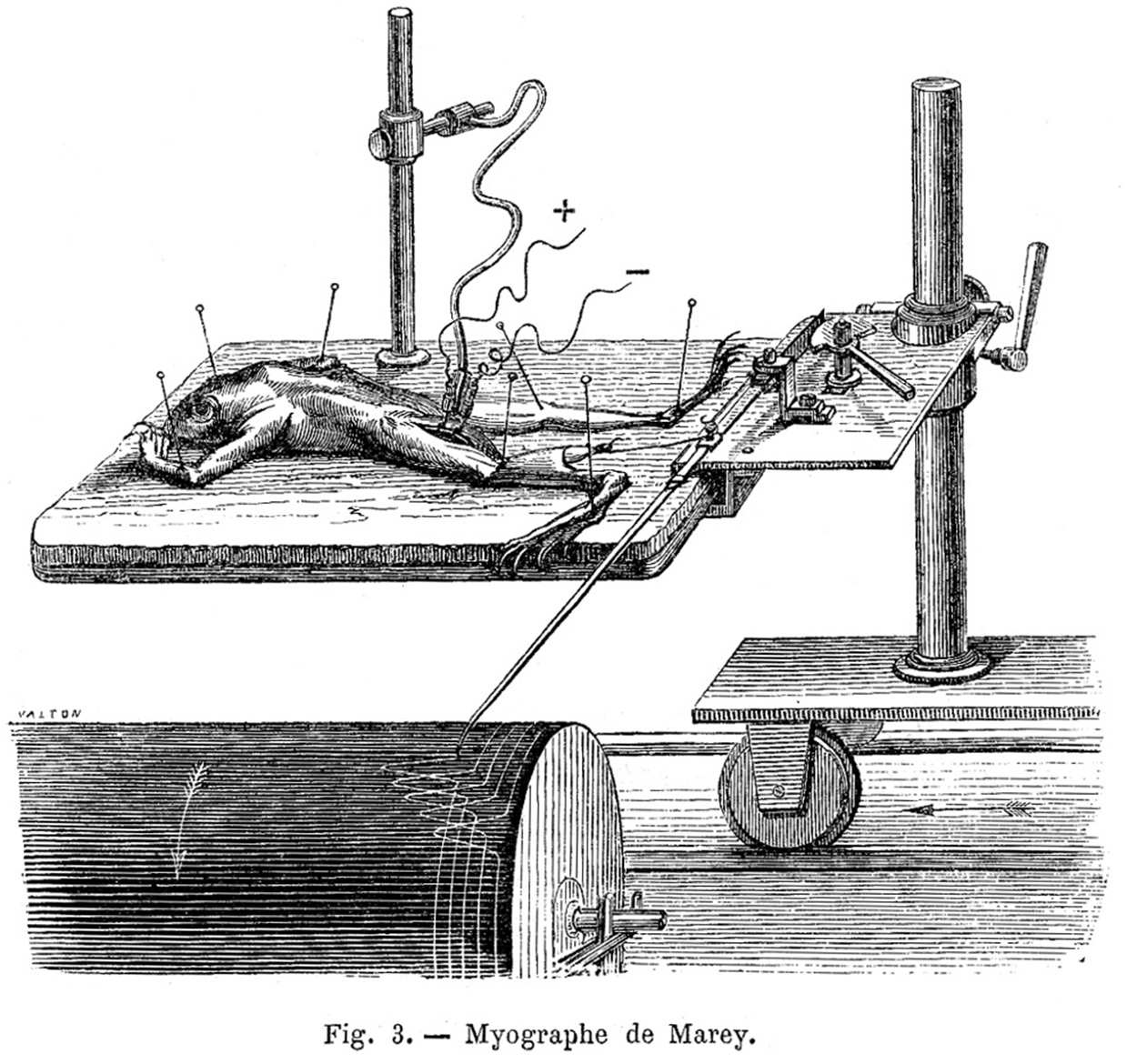
Breton’s interest in machines was inspired by devices like the myograph, which provided measurements of muscle contractions from shellshock and other disorders, producing visual outputs that represented an unbiased recording of physiological data, which was termed "graphic traces".
These early recording devices helped legitimize psychology in the 20th century by lending it an objective, scientific tone, a quality that Breton wanted to incorporate into his artistic practices. I wonder if he was alive today, would he have been interested in using EEGs?
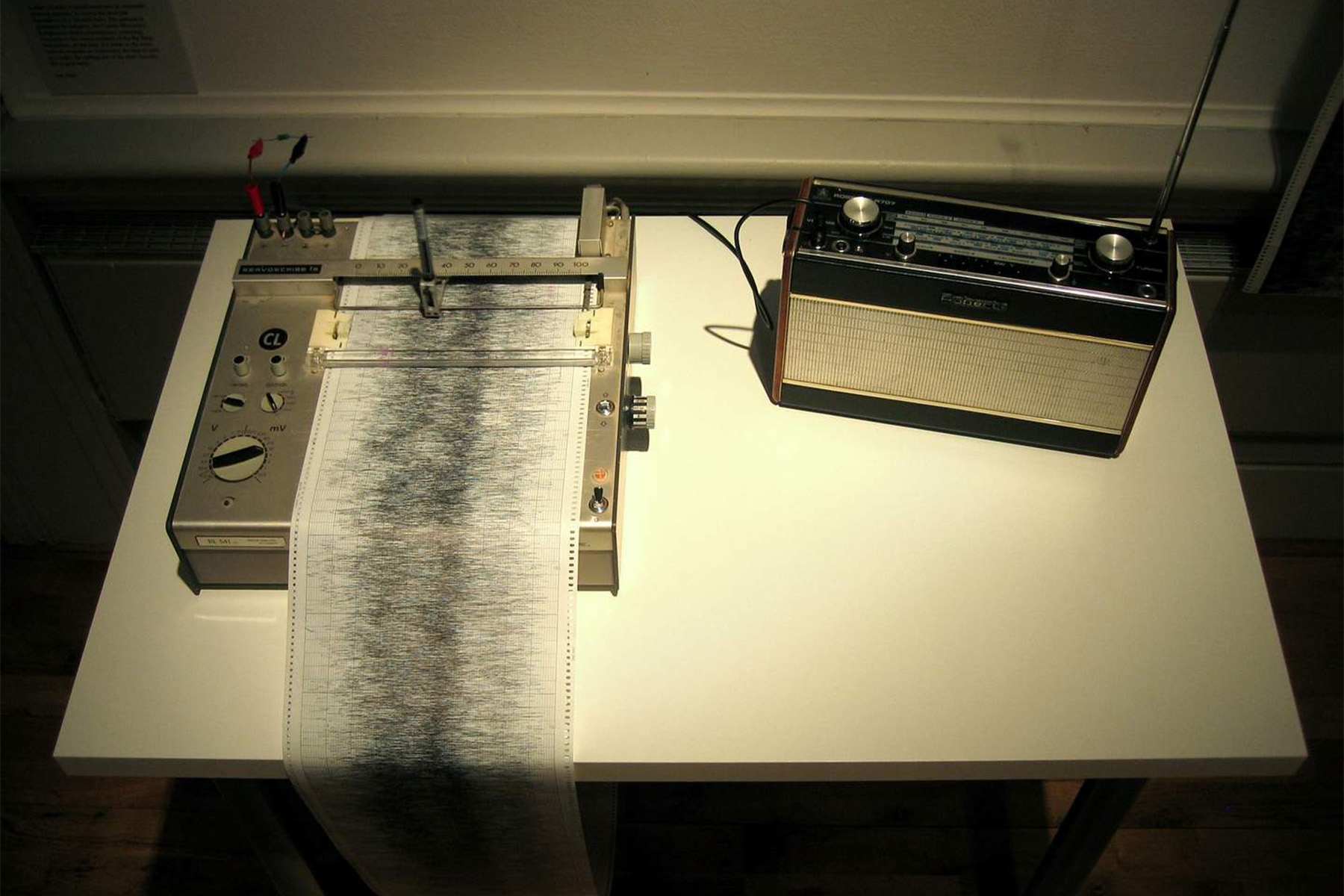
Surrealists used the graphic trace concept to frame their art as direct manifestations of subconscious activity, essentially using the visual arts as a medium to "trace" the movements of the inner mind onto canvas, paper, or other mediums. They were seen as a diagram created by the body, as it provided a direct, visual representation of invisible physiological phenomena—what Walter Benjamin later called the "optical unconscious."
It can be surprising to find that, despite the challenging nature of the Bretonian idea of "pure psychic automatism," creatives in the coming generations were not discouraged from exploring these practices. Often, this occurs within a renewed interest in the historical avant-garde. Many artists found the idea of the graphic trace seductive in its conception and the artistic-aesthetic implications it proposes, prefiguring later developments in biofeedback within the arts.
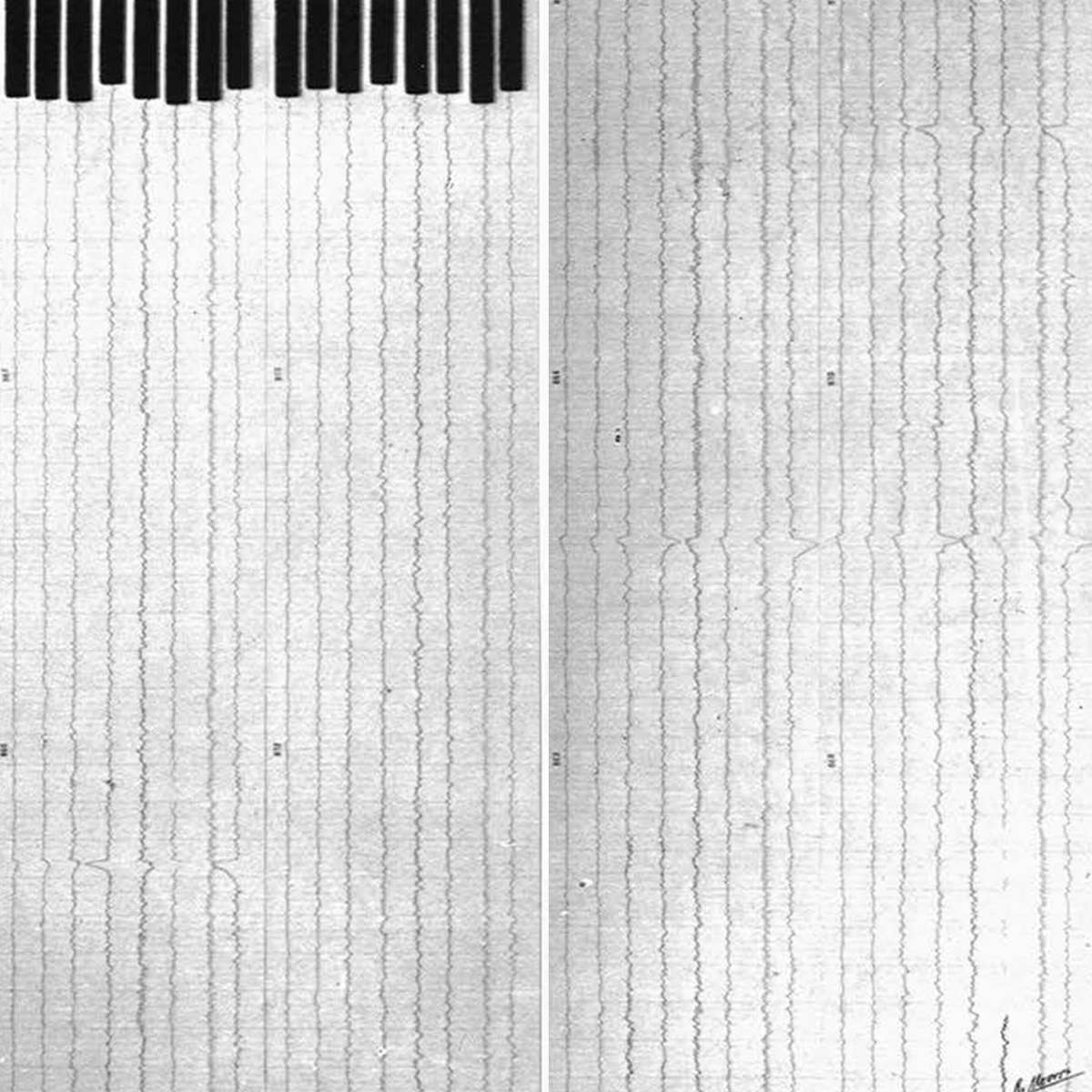
In the 1960s, artists like Robert Morris began using medical technologies like EEG to use physiological data for art making. Morris's Untitled (Hook, Track, Memory Dents), created in 1963, used EEG to monitor various brain regions, transforming these readings into visual forms that acted as a unique self-portrait. He connected this physiological data directly to the artistic process, reflecting on his cognitive states as the tracing needle marked the distance equal to his height.
Neuroaesthetics
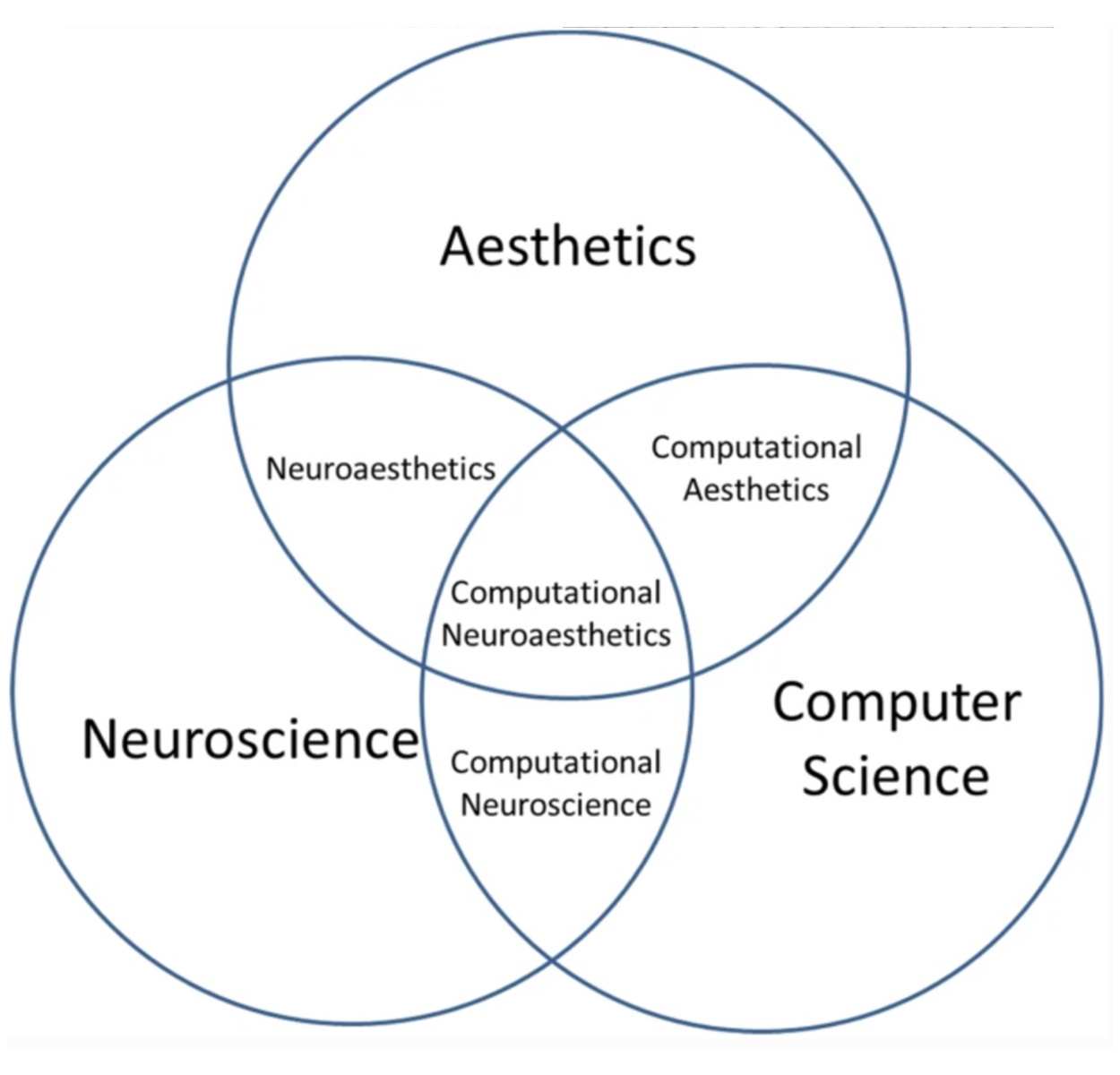
Neuroaesthetics is something I have been looking into for a bit. It is a branch of cognitive neuroscience that explores the neural foundations of aesthetic experiences. This field uses brain imaging and neurophysiological methods to examine how the brain perceives and processes beauty and artistic expression. While this is not directly connected, it is a relevant field that I need an overview of if I am going to do a creative project using EEGs.
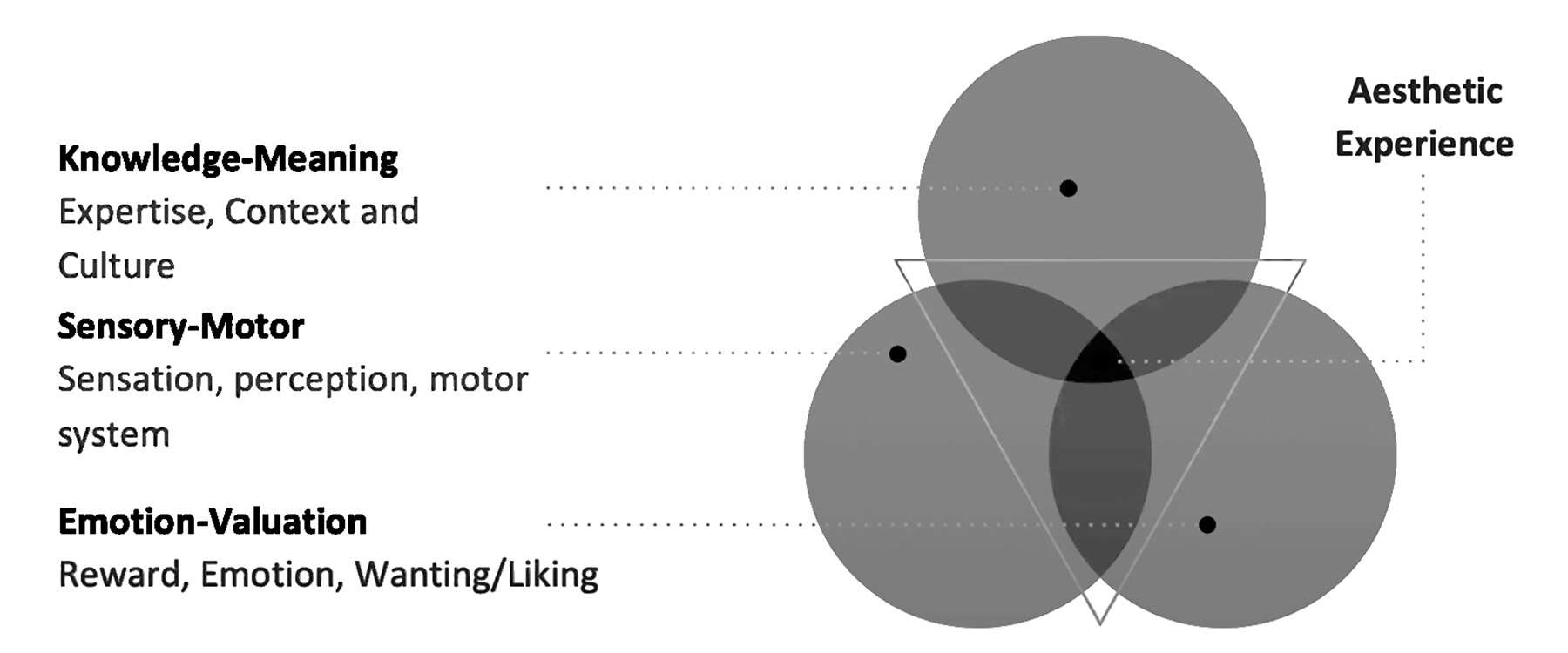
Dr. Anjan Chatterjee’s aesthetic triad reframes beauty in three parts of the brain—a sensory-motor pull, an emotional surge, and an overlay of meaning shaped by knowledge and culture.
The sensory-motor system draws you in through texture, color, and movement; a sunset, for instance, taps directly into primal pathways, leaving you somewhere between tension and release, grounded in sensation but slipping past deliberate thought.
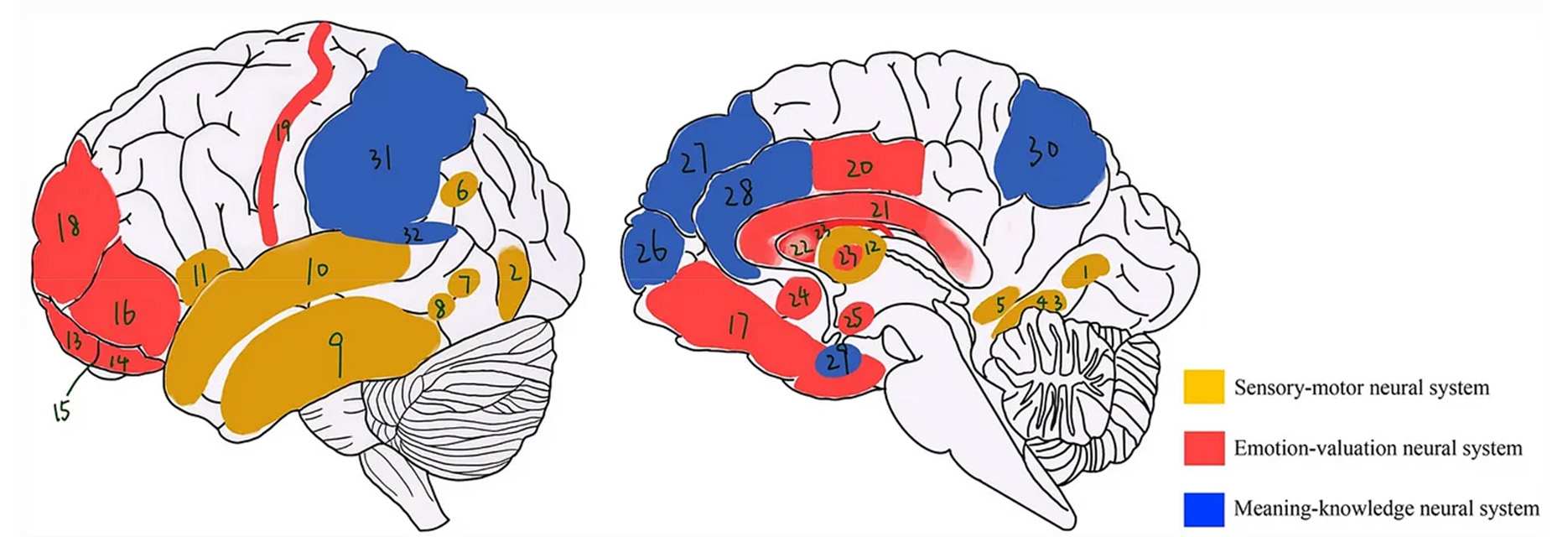
Then comes the emotion-valuation system, where beauty touches those deep circuits tied to pleasure and reward. Beauty here isn’t just pleasing—it’s layered, complex, sometimes triggering awe or even a hint of fear. It’s why we stand in silence before mountains or why an old melody gives us a nostalgic feeling.
Finally, the knowledge-meaning system places beauty within context. Our histories, cultures, and memories merge here, transforming something once controversial—like Impressionist art—into an object of reverence. As beauty ages, it gains layers. The Impressionists painted more than landscapes; they mapped a cultural shift, and that history becomes part of what we see.
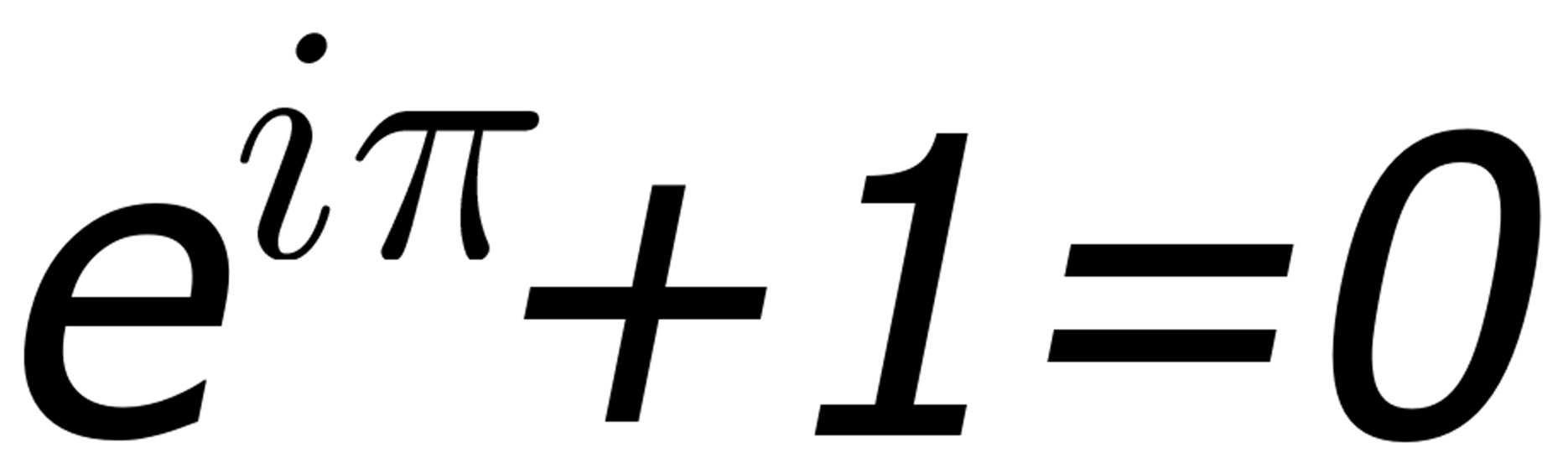
But beauty’s impact isn’t confined to art. It can connect science, mathematics, and our everyday judgments, impacting everything from what we consider elegant in a theory to who we trust based on appearance. There is an unsettling link between beauty and moral judgment. In mass media, facial anomalies are often shorthand for villainy, warping our associations with beauty and virtue.
Beauty also shapes scientific inquiry. Mathematics finds beauty in elegance and minimalistic complexity. A beautiful equation has symmetry, coherence—a feeling that each piece fits. But here, beauty is a double-edged heuristic. Theoretical physics, for example, has a history of being drawn toward elegant formulas. Yet beauty can mislead, inviting scientists to favor “elegant” theories that lack empirical proof, a reminder that aesthetic appeal can obscure flaws.