08
Project Week:
Research Proposal Outline
30.09.2024 ~ 06.10.2024
Refining Concepts
The proposal began as a broad inquiry into AI’s impact on artistic authorship. The initial challenge was in “sharpening” this abstract idea into a structured investigation. Last week, drawing parallels between surrealist automatism—specifically, its effort to bypass conscious control—and modern EEG technology helped me frame the project.
By viewing neural data as a new layer to the creative input, I began to see a path forward: using neural responses as a form of involuntary control to explore authorship and agency in generative art. This base let me refine the objective, and move on to a deeper investigation into how technology could mediate creative expression.
The entry for this week will be summarised notes behind the research for the proposal, from alternatives of earlier drafts. It does not include surrealist automatism, as it was documented in the previous entry.
Background Context
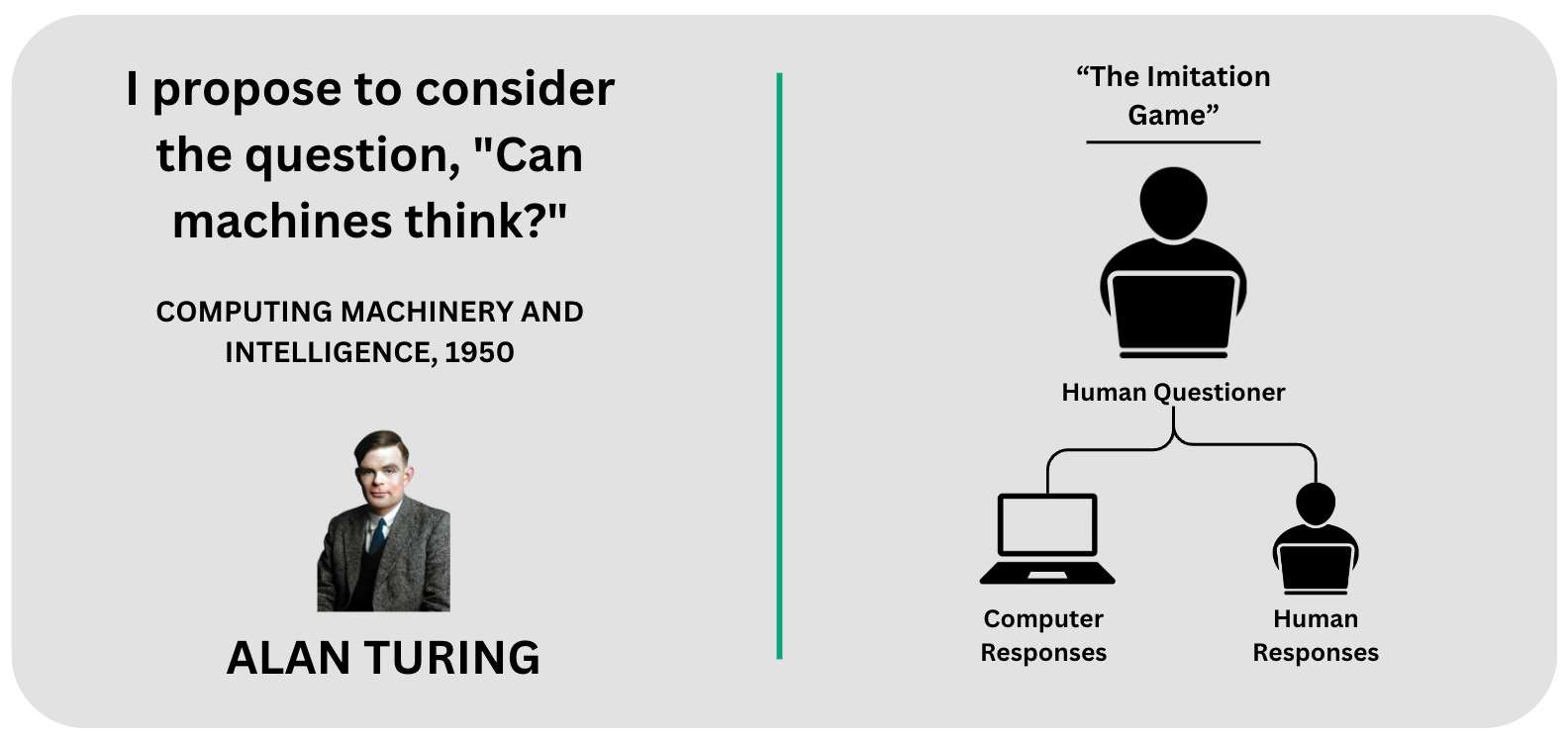
Alan Turing's seminal question, "Can machines think?" in his 1950 paper "Computing Machinery and
Intelligence," set the stage for the acceptance of thinking machines, a concept that has gained traction
especially since the early 2000s with the advent of neural networks and deep learning technologies.
Turing’s intellectual pursuits coincided with artistic explorations of the man-machine hybrid by Dada
and Surrealist artists like Max Ernst and Salvador Dalí, who were influenced by the scientific musings
of Gaston Bachelard on the fusion of contradictory elements such as the mechanical and the organic.
This early 20th-century dialogue between technology and art prefigured the current integration of AI in
creative domains, where the line between human and machine creativity is increasingly blurred. These
developments compel a reevaluation of traditional concepts of
authorship in art, suggesting a need for new models that acknowledge the collaborative nature of
human-machine interaction in creative processes.
Authorship in Generative Art
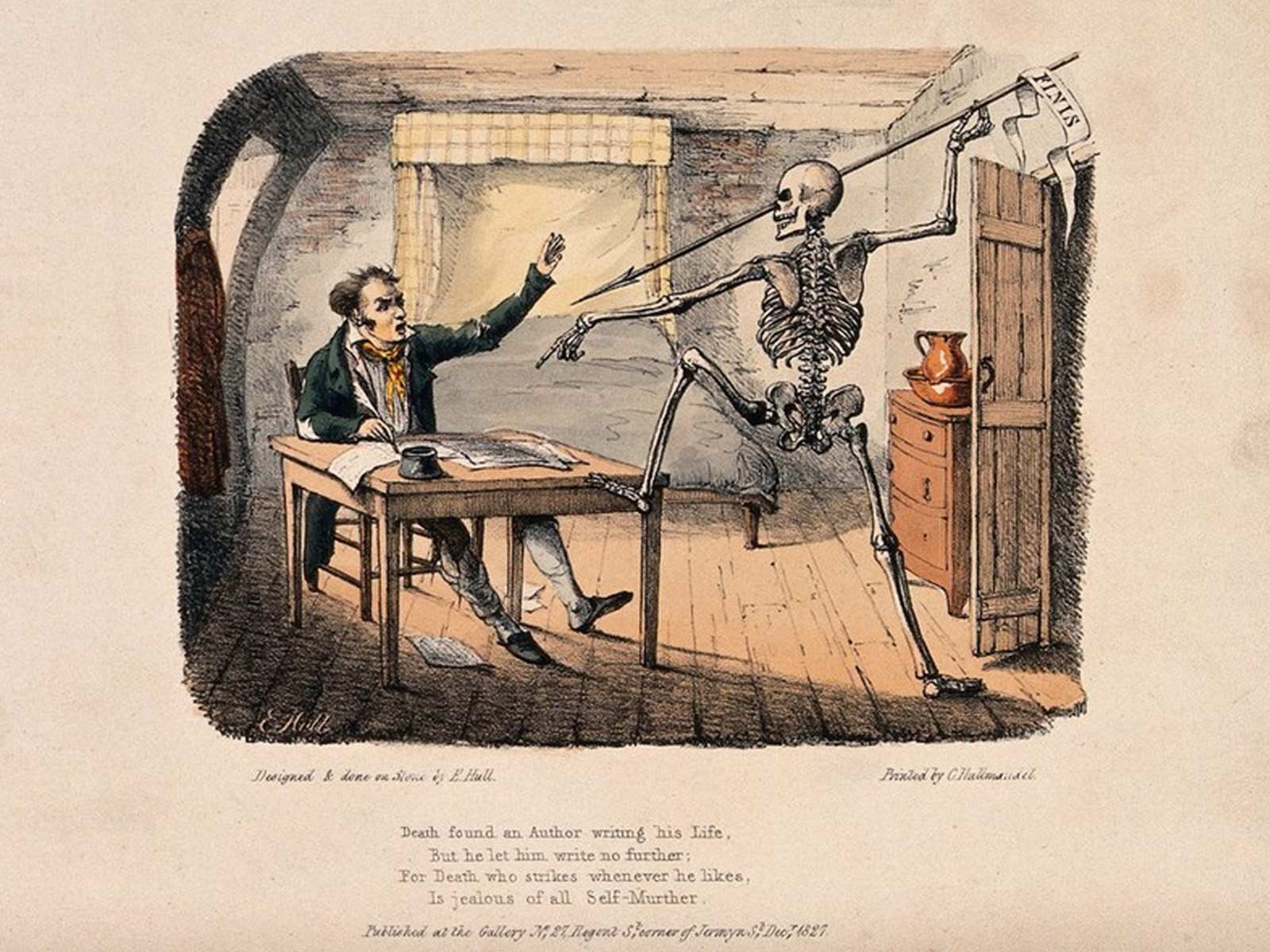
Traditionally, authorship has been associated with the originator of a work, typically linked to human activity. In the arts, it signifies the artist’s responsibility, with their intent shaping the artwork's meaning. However, there are different interpretations of authorship, such as what Roland Barthes suggested in his 1967 essay "The Death of the Author."
He thought authorship is mutable, with the audience's interpretation playing a crucial role. The concept of In generative art, where machines introduce autonomous processes, outcomes can surpass the direct control of the human artist.
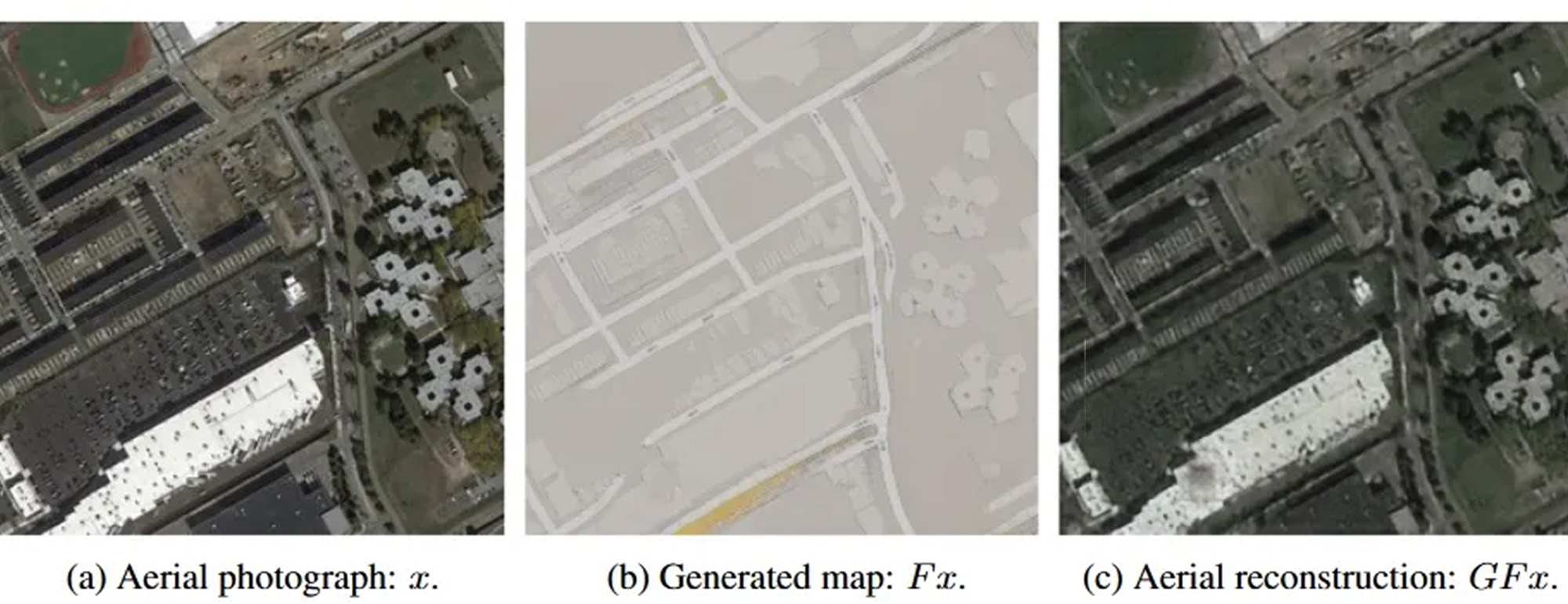
While researching this illusion of intent, I came across a case study for the CycleGAN project. One example is the CycleGAN project by Google and Stanford University, where a machine-learning algorithm learned to hide details from satellite images within noise patterns in street maps. While the programmers did not explicitly design the algorithm to perform this task, the result nonetheless “exhibited” intent.
This suggests that intention could be understood as emerging from the actions or outputs of machines, and that while machines do not have subjective experience or deliberate plans, their outputs can still reflect a form of intention recognised by human observers. This reframing of intention opens up a more inclusive understanding of creative authorship, where machines, though not human, can still participate in the creative process.
Surrealist Automatism and Machines
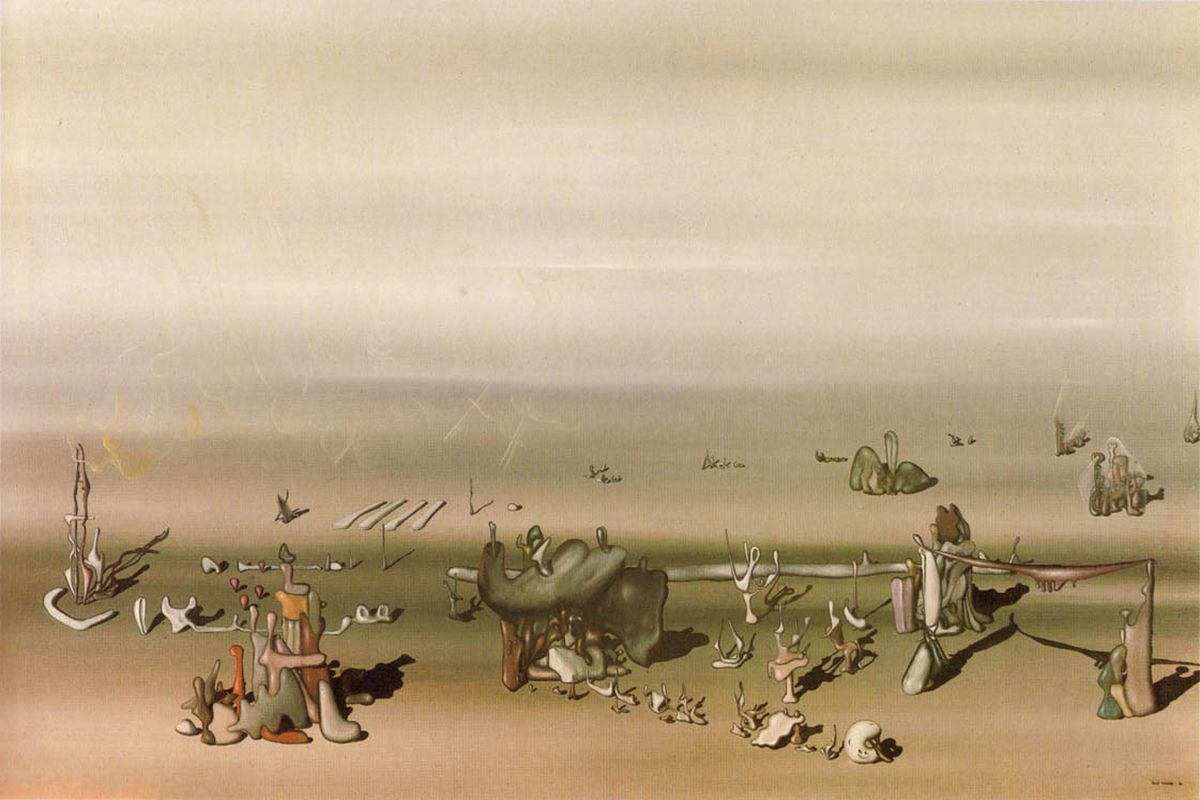
The relationship between surrealist practices and contemporary AI reflects early 20th-century surrealist explorations of the unconscious. Influenced by Pierre Janet's "Psychic Automatism," surrealists like André Breton embraced spontaneity to access the subconscious, bypassing rational control. Breton, in his “First Manifesto of Surrealism,” described the artist as a passive conduit for creativity, analogous to a machine capturing unmediated thoughts (this has been documented in more detail in the previous entry).
EEG in Artistic Practices
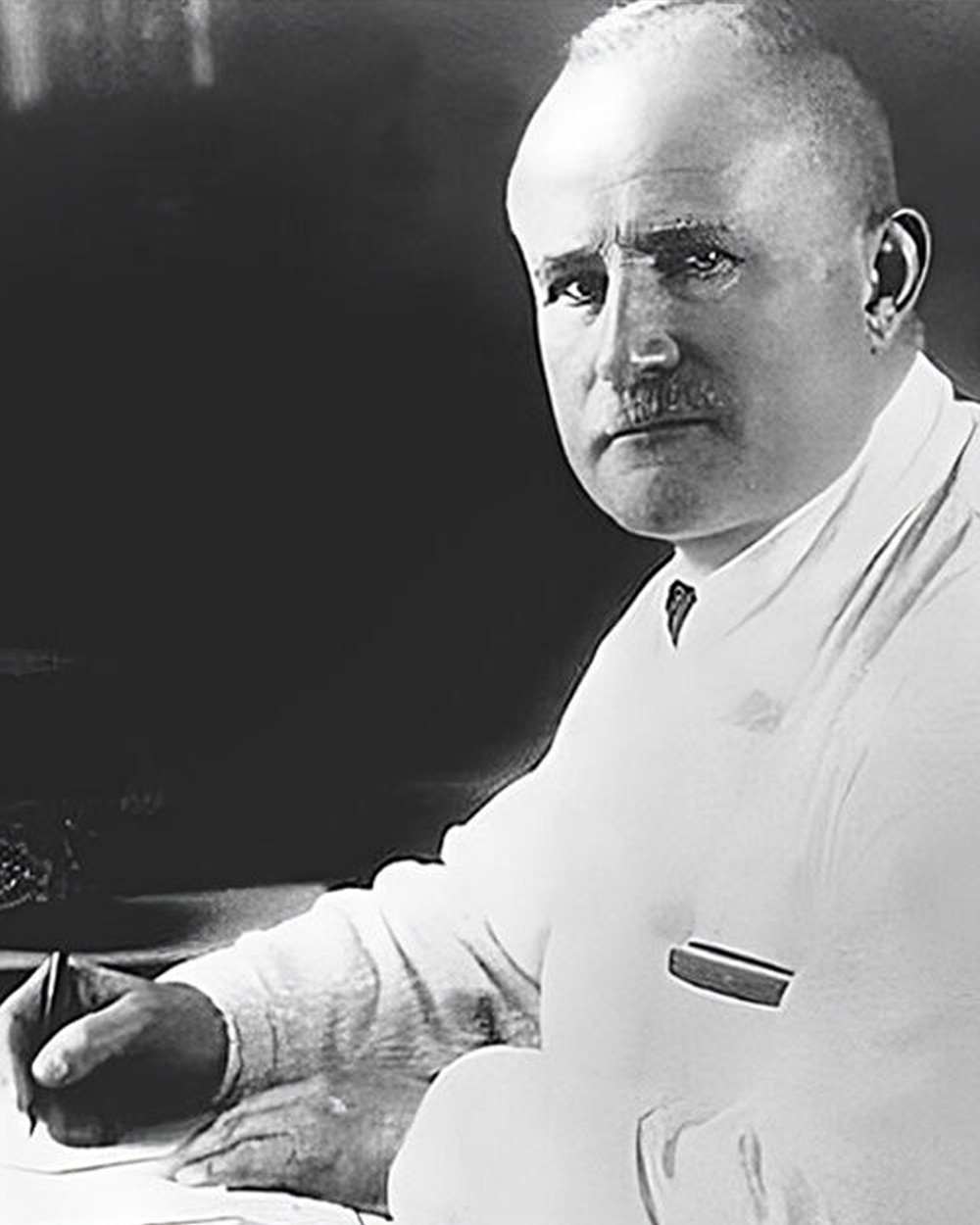
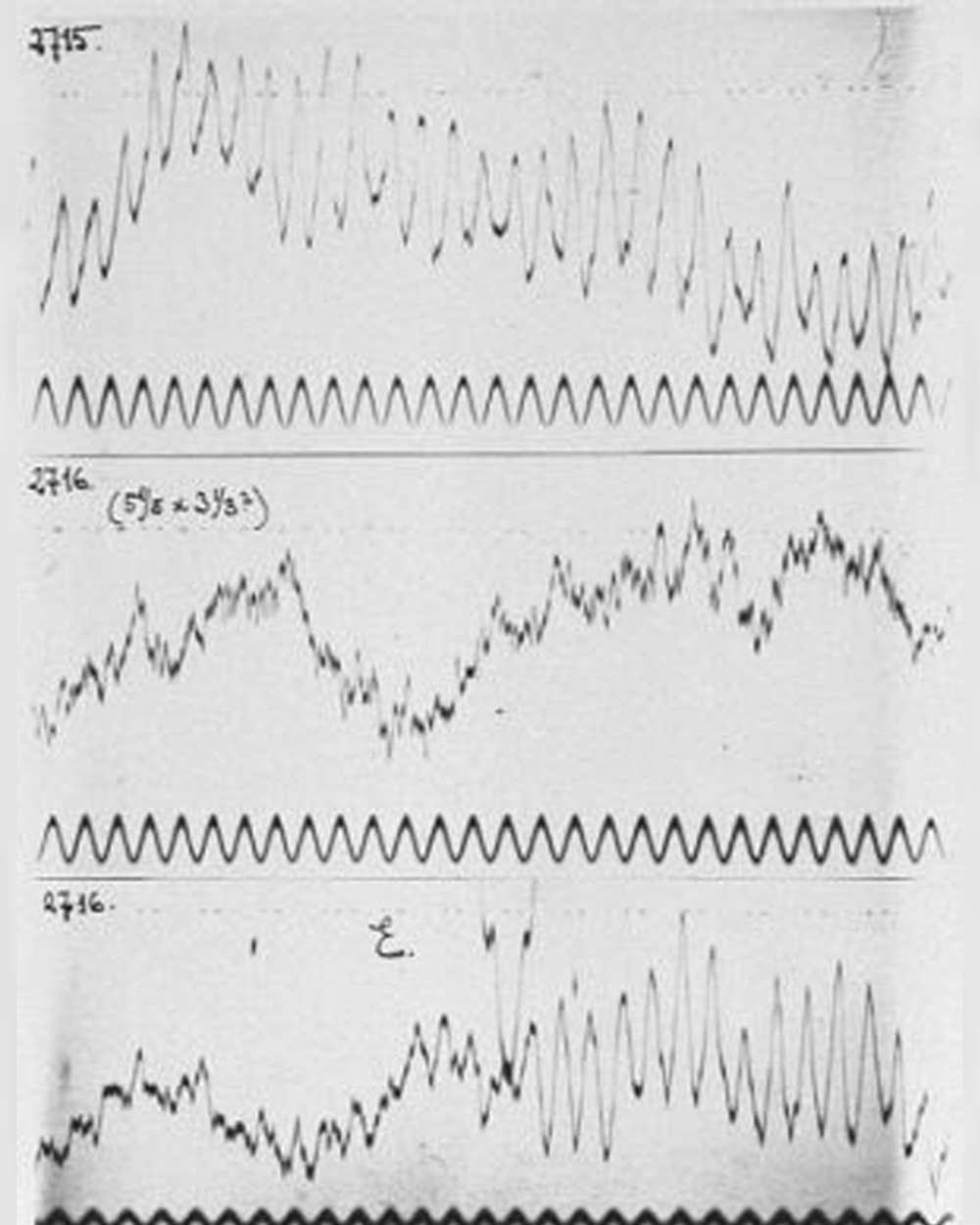
Electroencephalograms (EEGs), first used clinically in 1929 by Hans Berger, record brain activity and have expanded into artistic domains, enabling direct brain interaction with art. Although I did not include this in the proposal, I also find it interesting that the inspiration for EEGs was the idea of telepathy, a more supernatural concept, based on a personal experience.
When Berger was injured during military training, his younger sister somehow felt uneasy and requested that her father check up on her brother. This set Berger to explore the possibility of telepathy, or a signal transmitted from the brain. Despite the non scientific inspiration, at least from a 21st century perspective, his discovery was monumental for the field of neuroscience.
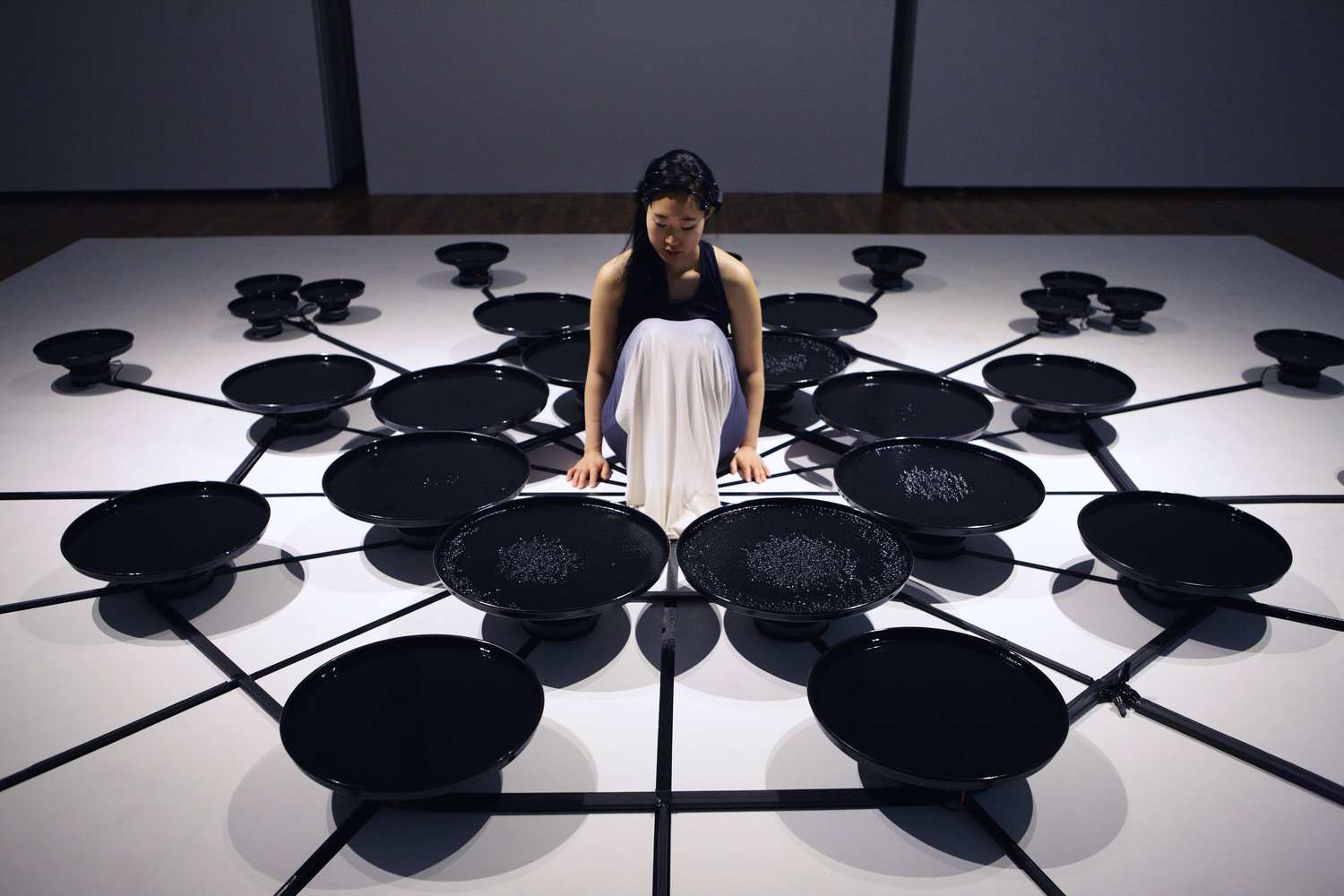
Although EEG based art is now increasingly common due to the development of portable devices, it has been around since the 60s. A fitting example is Morris' self portrait that I introduced last week. In a more modern context, I wanted to find a study that uses EEG in a interactive installation.
One example is Lisa Prak's Eunoia II, where her brain activity is translated into sound vibrations that manipulate 48 pools of water. Park describes her work as an attempt to connect brainwaves, emotions, and sound (waves of energy) into a material form that reflects her inner self.
Relfections
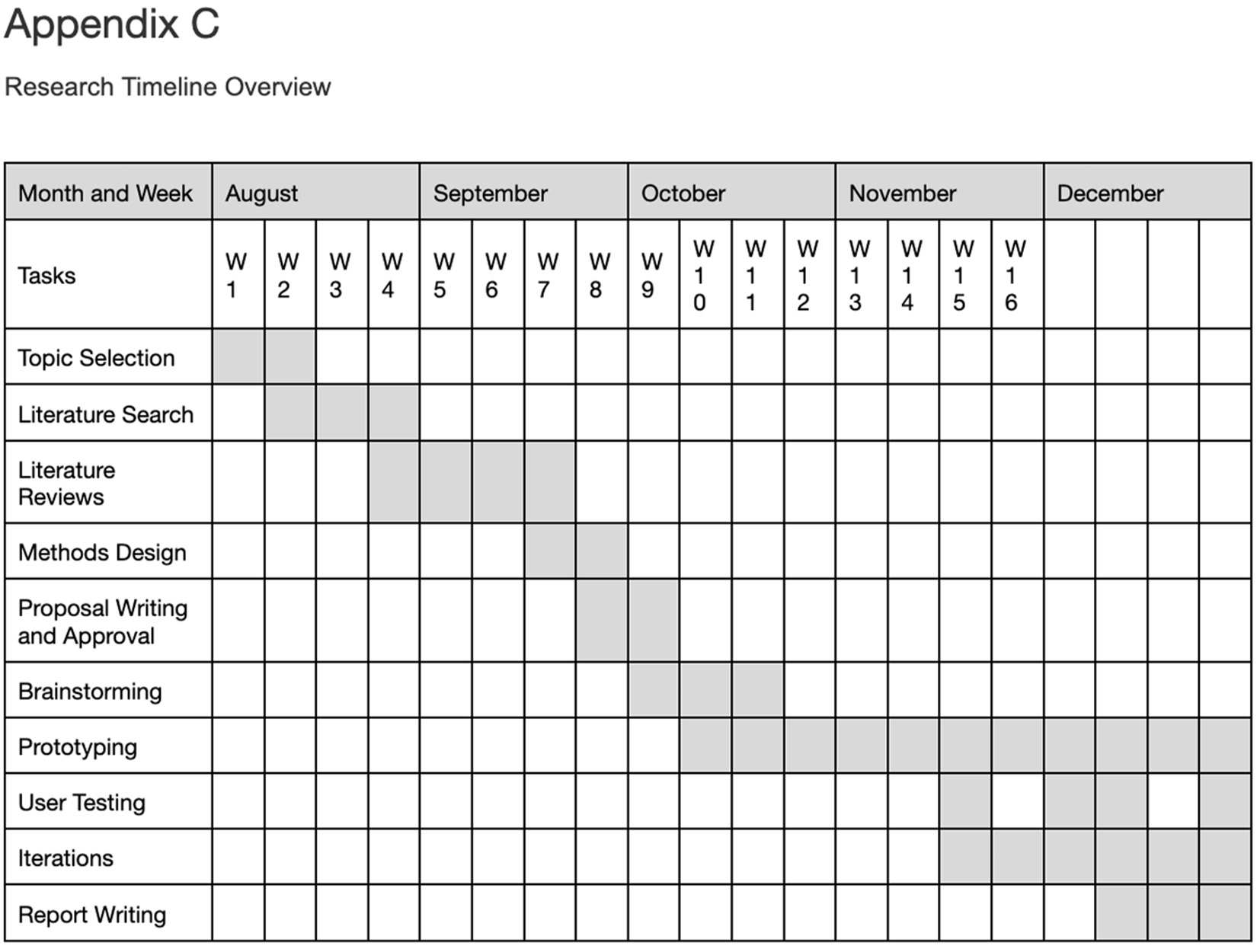
Looking back, I feel as though I’m returning to the same crossroads I encountered around Week 5. At that time, I was uncertain whether to focus solely on authorship, surrealist automatism, or attempt to integrate both themes. I raised my concerns about the feasibility of fitting both ideas alongside EEG within the constraints of the project. The feedback I received encouraged me to tackle both themes, and I took that direction. However, weaving them together within the word limit proved to be a significant challenge.
Since then, I’ve dedicated extensive time and effort to finding the right balance. I continuously revised my writing to make the connection between authorship and surrealist automatism as clear as possible. I even removed the ‘conclusion paragraph’ from the summary of readings to remain within the word count and ensure clarity. The final draft I submitted represented my best attempt to blend these concepts cohesively.