12
Passive Control:
An Objective
28.10.2024 ~ 03.11.2024
Decisions
This relates to my dissertation draft, which I have started writing. I plan to change the background from my RPO, but not as I previously mentioned. Initially, I stated that I would remove authorship from the background and make surrealism the main focal point.
However, after discussing this decision with my peers and consulting Hera, my level 1 essay supervisor, I concluded that “why surrealism is still relevant” is an extensive topic requiring thorough explanation to be used as the background.
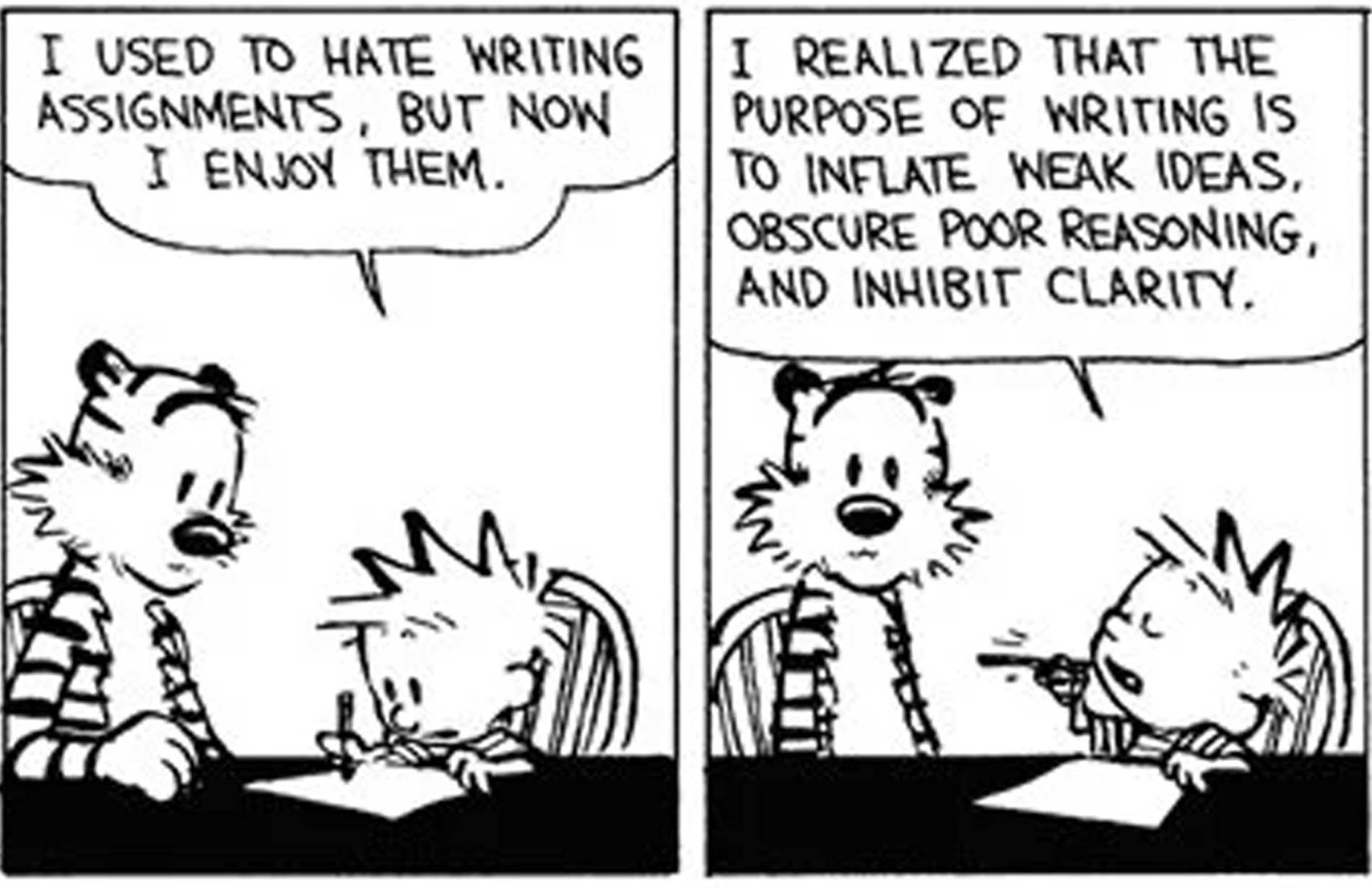
I don’t want to write a half-hearted dissertation that leaves the reader thinking, "I don't understand the point you're trying to make, but it sounds like you're doing something cool"—a response I often received from my peers. If I wanted that reaction, I would have chosen fine arts.
So, I have decided that I will have to find a value for my research that is within the confines of surrealist automatism and interactivity. Something that does not have extensive background that I need to explain, but us more of a niche area to explore.
Ubiquitous Computing
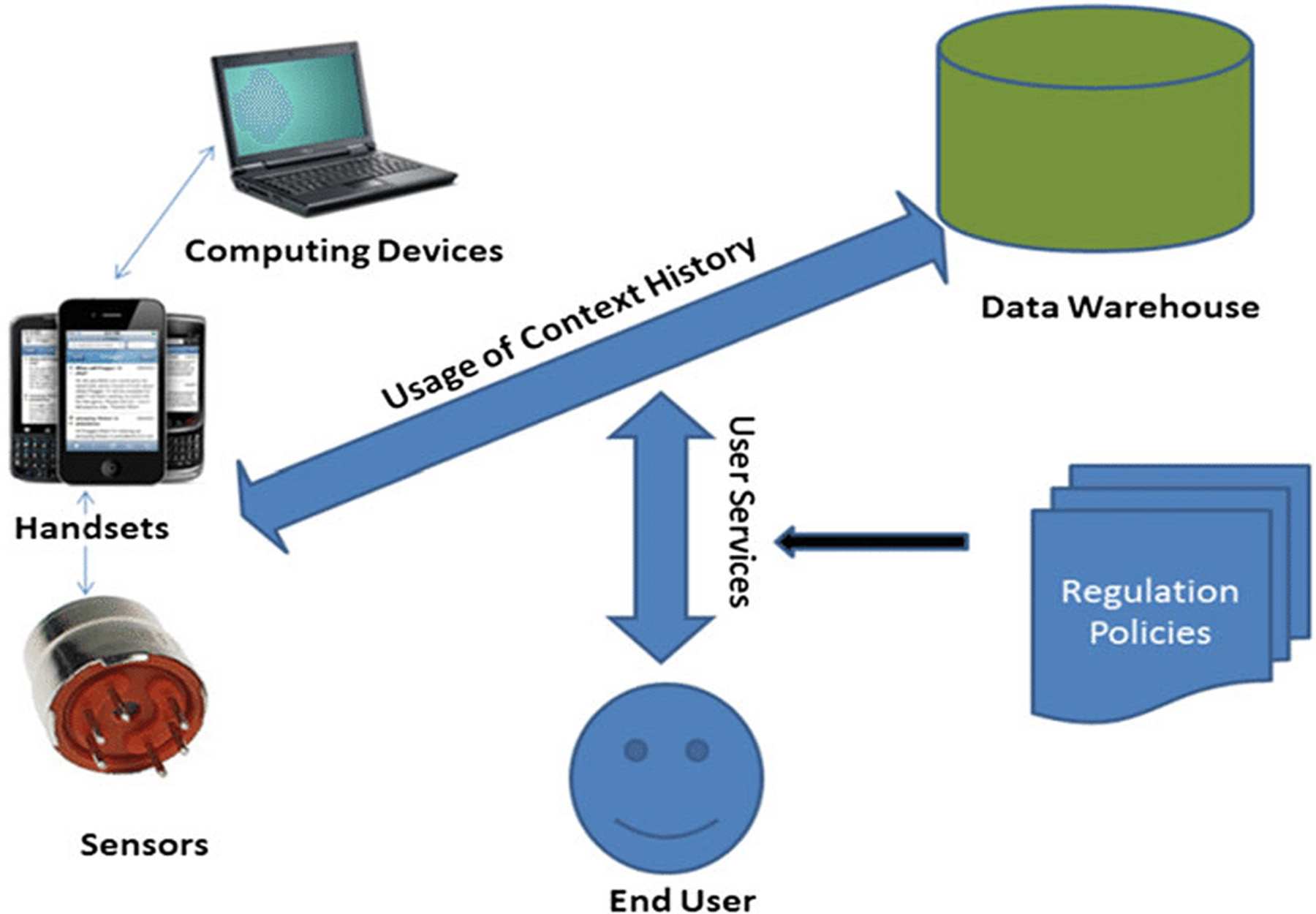
I came across the concept of "ubiquitous computing" by Mark Weiser, according to which technology is a major part of our daily lives. Many of us carry multiple devices that are always on, constantly shaping our routines. But even with all this digital tech over the past 20 years, there isn’t much evidence that being more connected has actually made us happier or improved our well-being.
Calm Technology
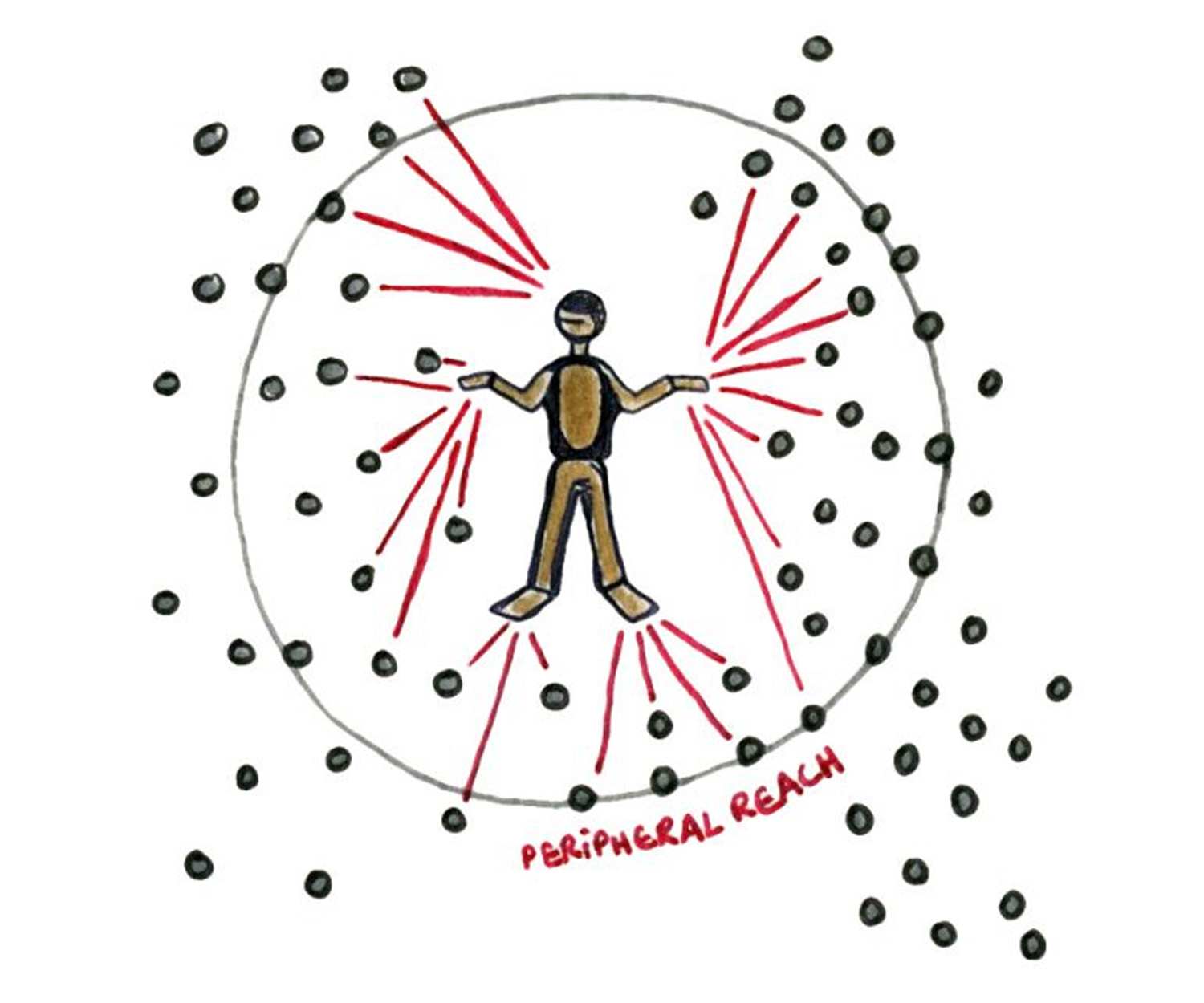
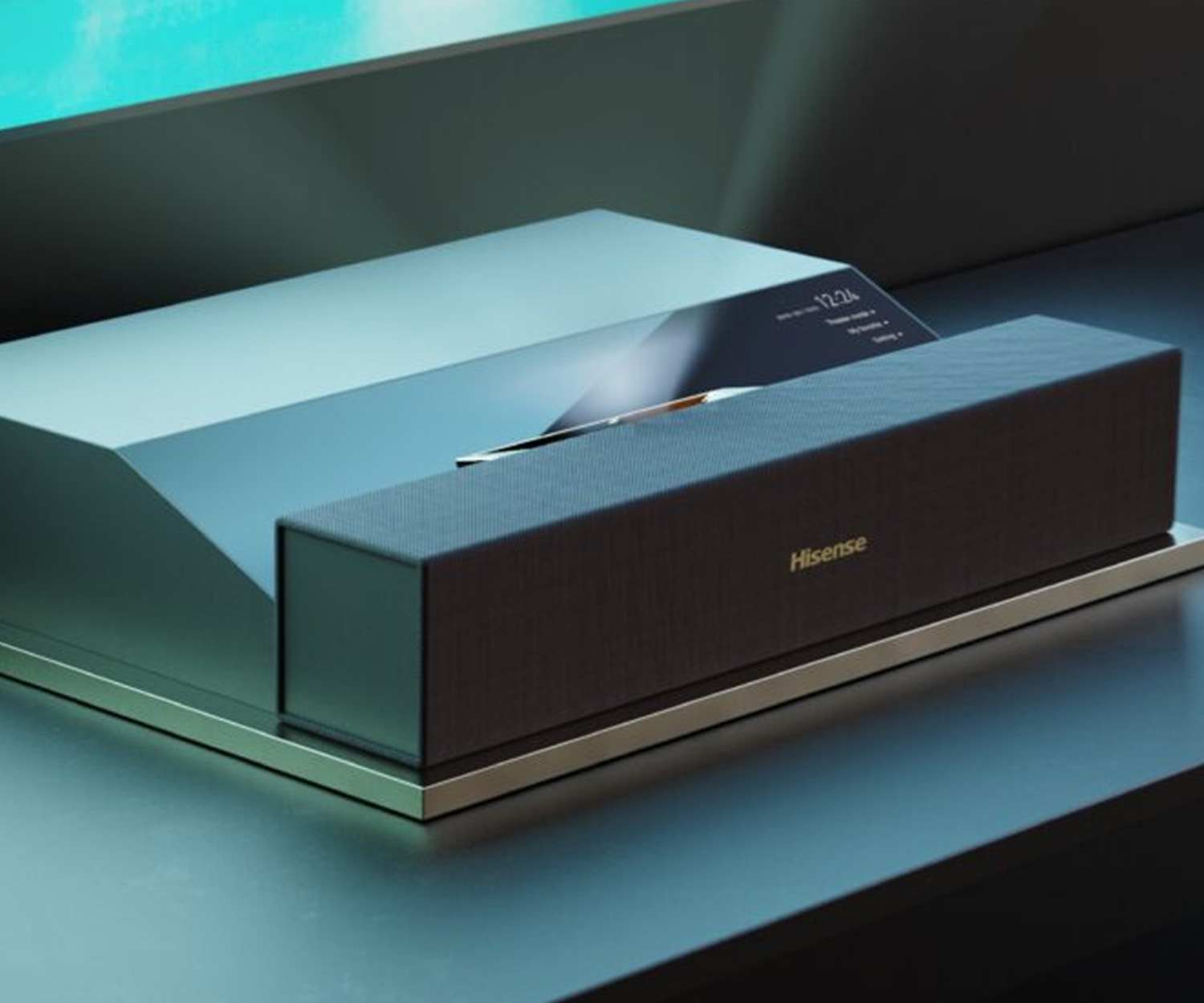
Weiser originally imagined something he called "calm technology." A world where devices would quietly support us, always available but not demanding our attention. But this idea hasn’t really come true. Instead, many of today’s technologies constantly compete for our attention, distracting us and interrupting our focus. I am interested in the potential for computers to act as agents of positive change in users' lives for subjective well-being or "happiness."
Interventions for Well-being
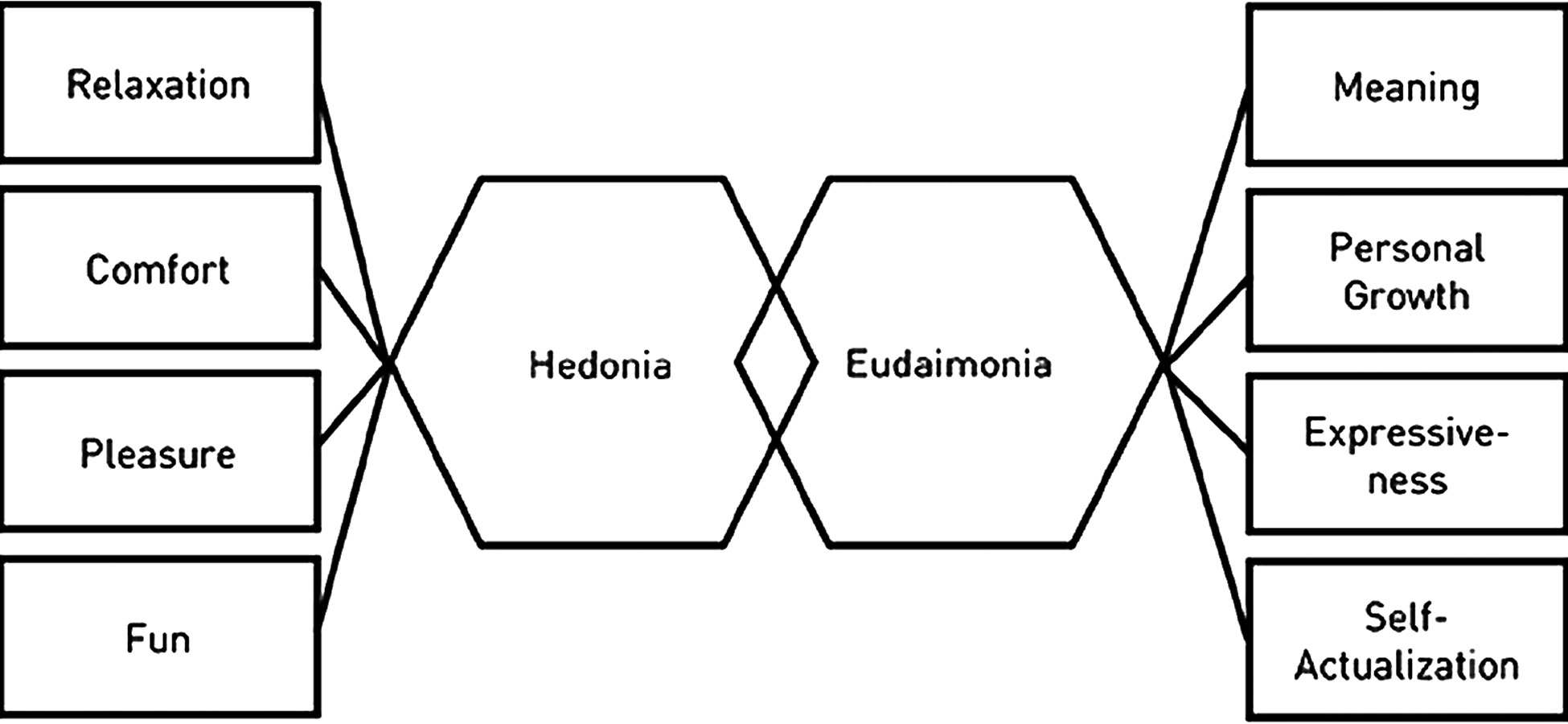
Recent interdisciplinary efforts have seen the fields of positive psychology, design, and human-computer interaction (HCI) converge to study how technology could promote well-being. This holistic approach considers subjective well-being as a combination of hedonism (maximising pleasure) and eudaimonia (developing human potential). Technology, in this context, can support many different factors for well-being such as positive emotions, motivation, engagement, self-awareness, and, importantly, mindfulness.
Mindfulness
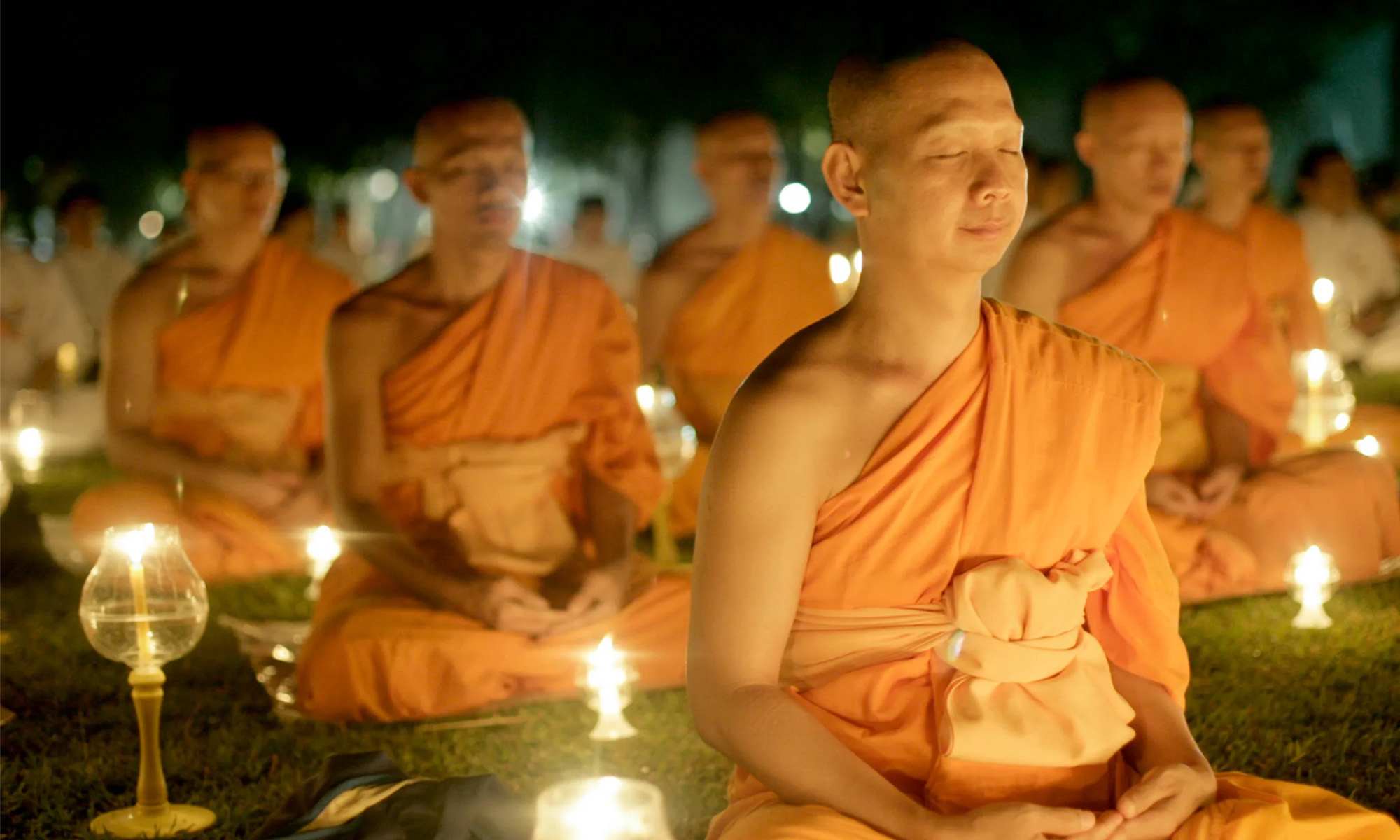
Mindfulness, often considered the opposite of mind-wandering, has been shown to reduce stress and improve mental health. Defined by Kabat-Zinn as “paying attention on purpose, in the present moment, and non-judgmentally,” mindfulness has historically been rooted in Buddhist traditions but has since found applications in healthcare, mental health, and education.
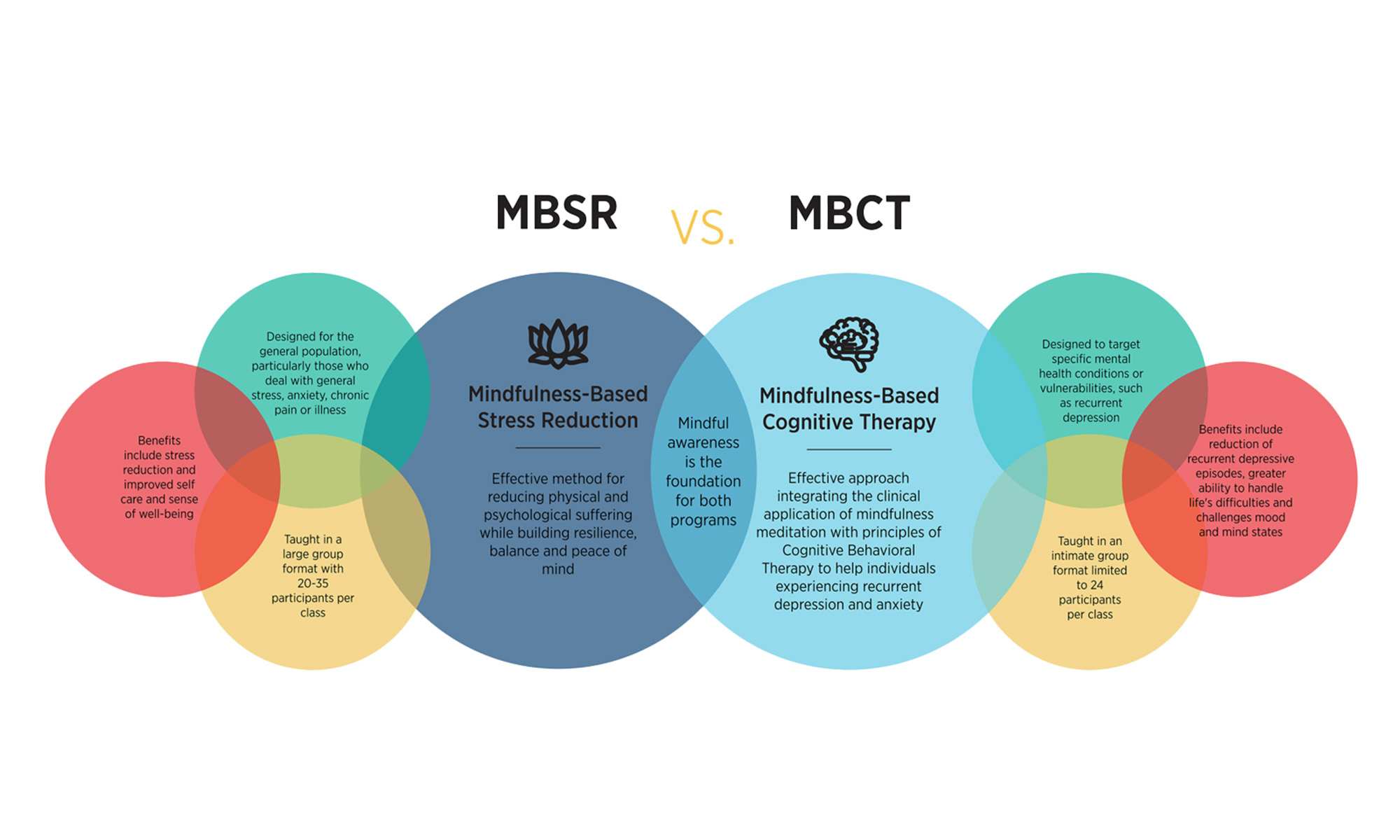
Programs like Mindfulness-Based Stress Reduction (MBSR) and Mindfulness-Based Cognitive Therapy (MBCT) have been widely adopted to address stress, depression, and overall mental well-being. Despite the benefits, integrating it into daily routines can be challenging, as mindfulness meditation requires focus and practice, which many beginners find difficult to sustain.
Gathering my thoughts
I'm worried that all these topics are quite broad and have already been extensively explored, especially mindfulness. For calm technology, it would be difficult to connect it with surrealist automatism; this would require a lot of justification and additional layers to make the connection work, so it may not be the most ideal approach. Although ubiquitous computing is a promising angle, it wouldn’t work well as the main objective or background.
Finding the Sweet Spot
After my consultation with Andreas, I realised there was no need to change the background of my dissertation. I just need to phrase it so that my ideas and connections are clearer. My main concerns were all related to how I could present the themes as well-connected within the given word count. The conclusion was that I don’t have to. My obsessiveness kept convincing me that I had to include every piece of information thoroughly in my writing.
My obsessiveness kept convincing me that I had to include every piece of information thoroughly in my writing. For example, if I wanted to use a word, I felt I had to introduce its definition and origins before moving on, which made my writing difficult to connect smoothly. My new strategy is to trust my writing more. Instead of finding existing frameworks for every statement to justify the content, I’m focusing on just a few: surrealist automatism and EEG-based interfaces.
Warning: Off-topic Rant
In the past week, I attended three talks that did not directly relate to my topic but still provided some interesting insights.
Singapore Art Book Fair Panel with Corners
The first talk at Singapore Art Book Fair, hosted by Gideon Kong and featured designers working with the Risograph. The guests included Corners Studio from South Korea, a design studio specialising in Risograph printing.
They have collaborated with various artists and designers to produce distinctive prints. Among other projects, they organised the "Ink Village" exhibition, which showcased A2 Risograph posters by 21 domestic and international artists.
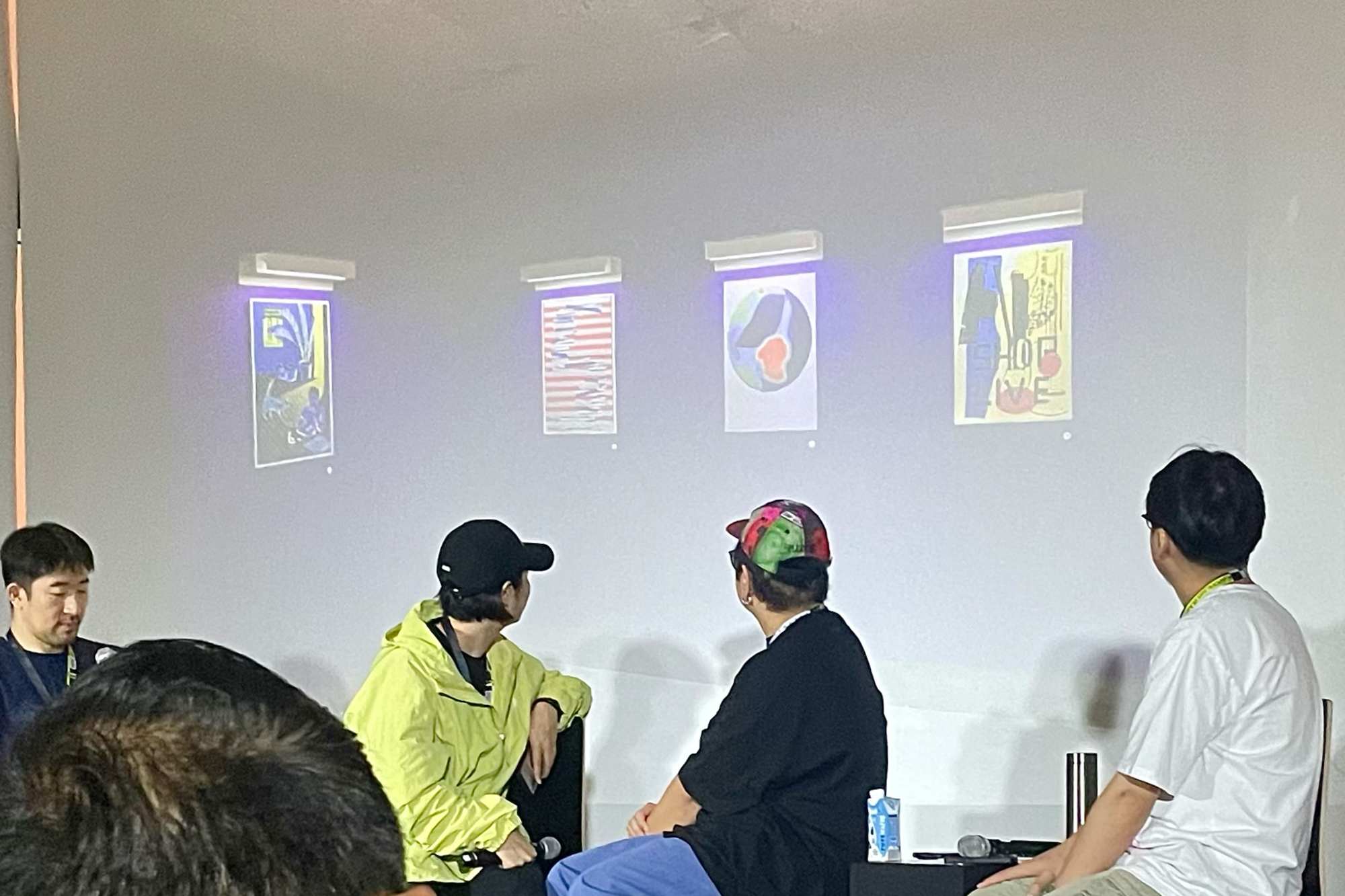
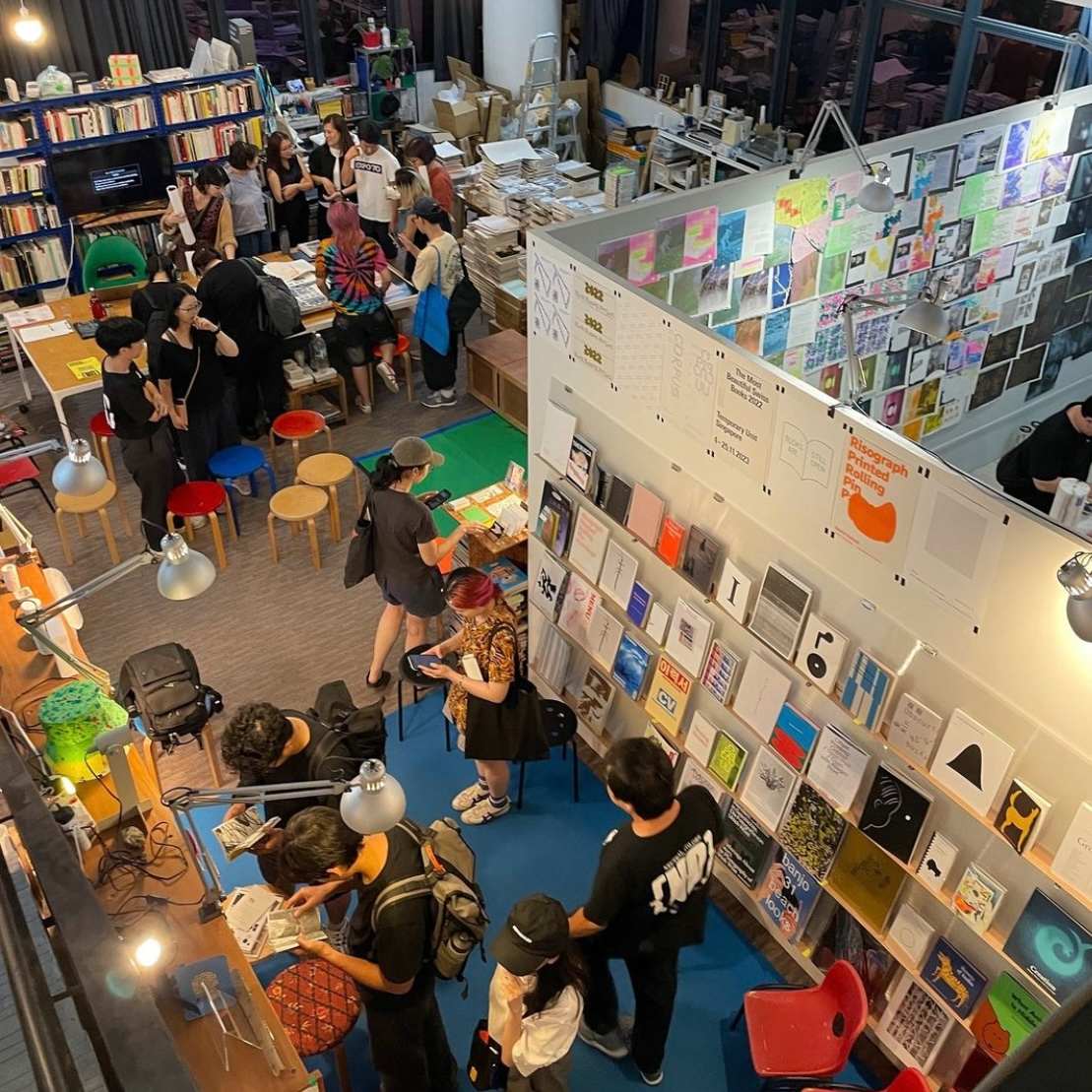
Whenever I hear Gideon introduce his studio, Temporary Press, it is always framed as a place where he and Jamie are working within limitations. I’ve also observed, during my short time as a print assistant at the studio (where Gideon and Jamie kindly taught me how to print through a Risograph printer), that their way of “solving problems” is very ad-hoc and temporary, as their name suggests.
Corners, the Korean duo in the talk, also mentioned that their choice to start using the Risograph was due to financial and practical considerations. I have always found this idea of finding unexpected solutions within limitations to be one of the most interesting instances of serendipity, and that is where my interest in the risograph stems.
Neutral Colours at Temporary Press
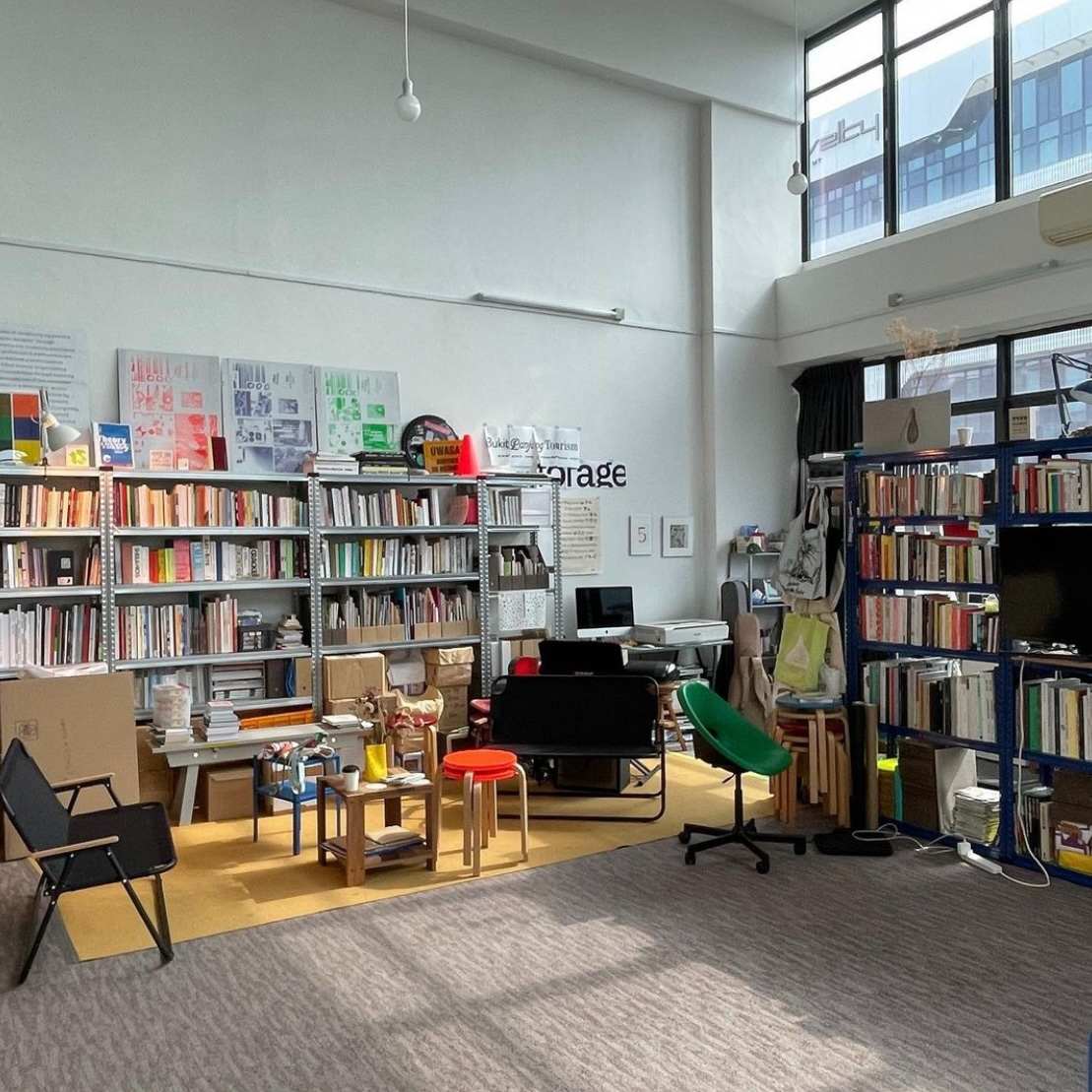
The second talk was at Temporary Press, with a Japanese duo, Neutral Colours. Neutral Colours is a Japanese art and design studio recognised for its minimalist, contemporary aesthetic, emphasising simplicity, muted tones, and clean lines. I asked Neutral Colours if they also worked within limitations, and they responded that they do not view these as limitations. They explained some of their outcomes, though I felt their examples actually reflected a lack of constraints.
Their use of the Risograph and even the binding methods they described seemed more intentional, such as layering Risograph prints over offset prints. Even though they managed the entire production process themselves, unlike Gideon and Jaime from Temporary Press or Corners Studio, they would go to great lengths to achieve the exact outcomes they envisioned and desired.
Samuel Lim
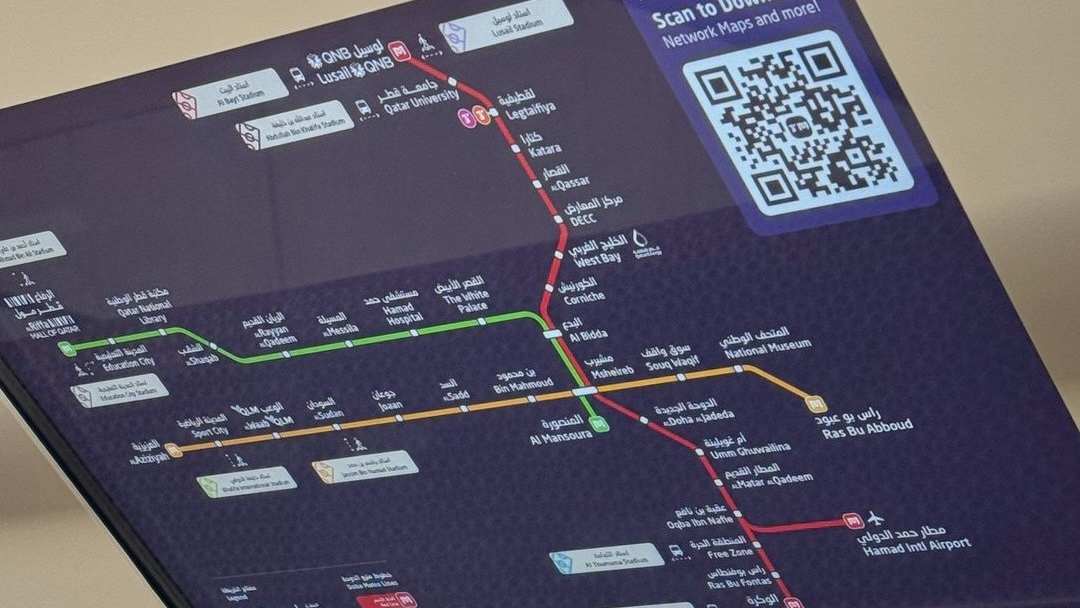
Next was the alumni sharing session by Samuel Lim, hosted by Vikas at LASALLE. He is a Singaporean designer specialising in wayfinding and user experience. He began his career by redesigning Singapore's Mass Rapid Transit (MRT) signage system—a project that started as his thesis at LASALLE College of the Arts and led to a position with the Land Transport Authority (LTA).
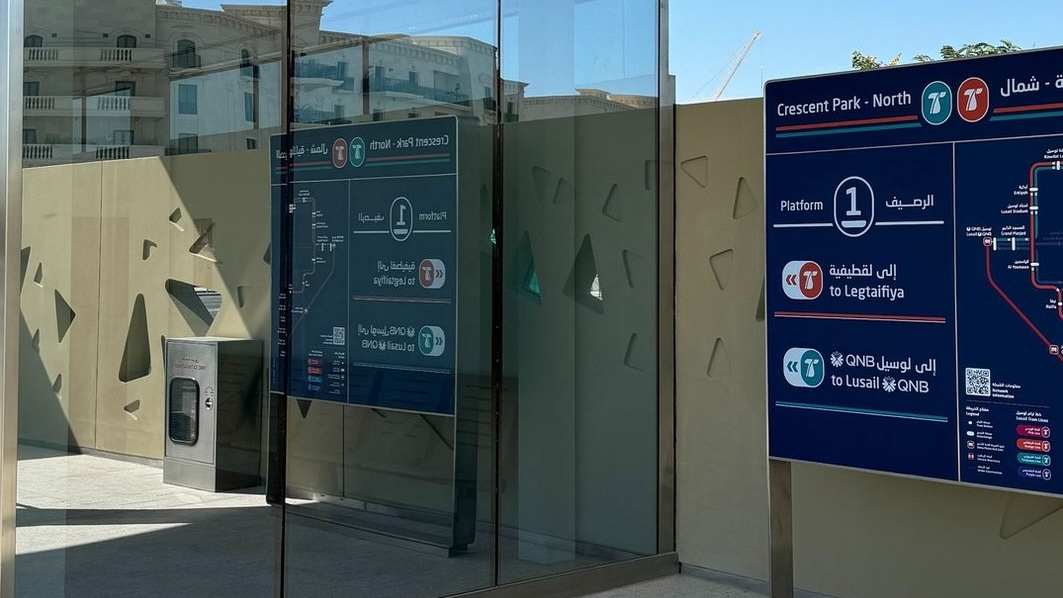
As I am interested in bilingual identities, I asked him questions about his work for Qatar’s metro, both related to Arabic. The first was, "How do you manage designing for bilingual systems when the layout direction differs between English and Arabic?" The second was, "How do you judge Kashida visually if you cannot read it?"
He provided examples in response to both questions. For the first, he described how he had to decide between left and right alignment when displaying English and Arabic text side by side. For the second, he explained how he worked with a partner who helped communicate and provide guidance on the Kashidas.
A quote from Samuel that resonated with me was that "you don’t usually remember a project that does not intend to solve a problem." I think this statement is relative, since he himself is a solver. What sticks with you is usually something you can relate to.
But I think it's a good reminder for those in our atelier, where the line between art and design is extremely fine. I, personally, don’t want to draw a line, as I see design as applied art, but I recognise that I don’t live in this world alone.
Taking a Step Back
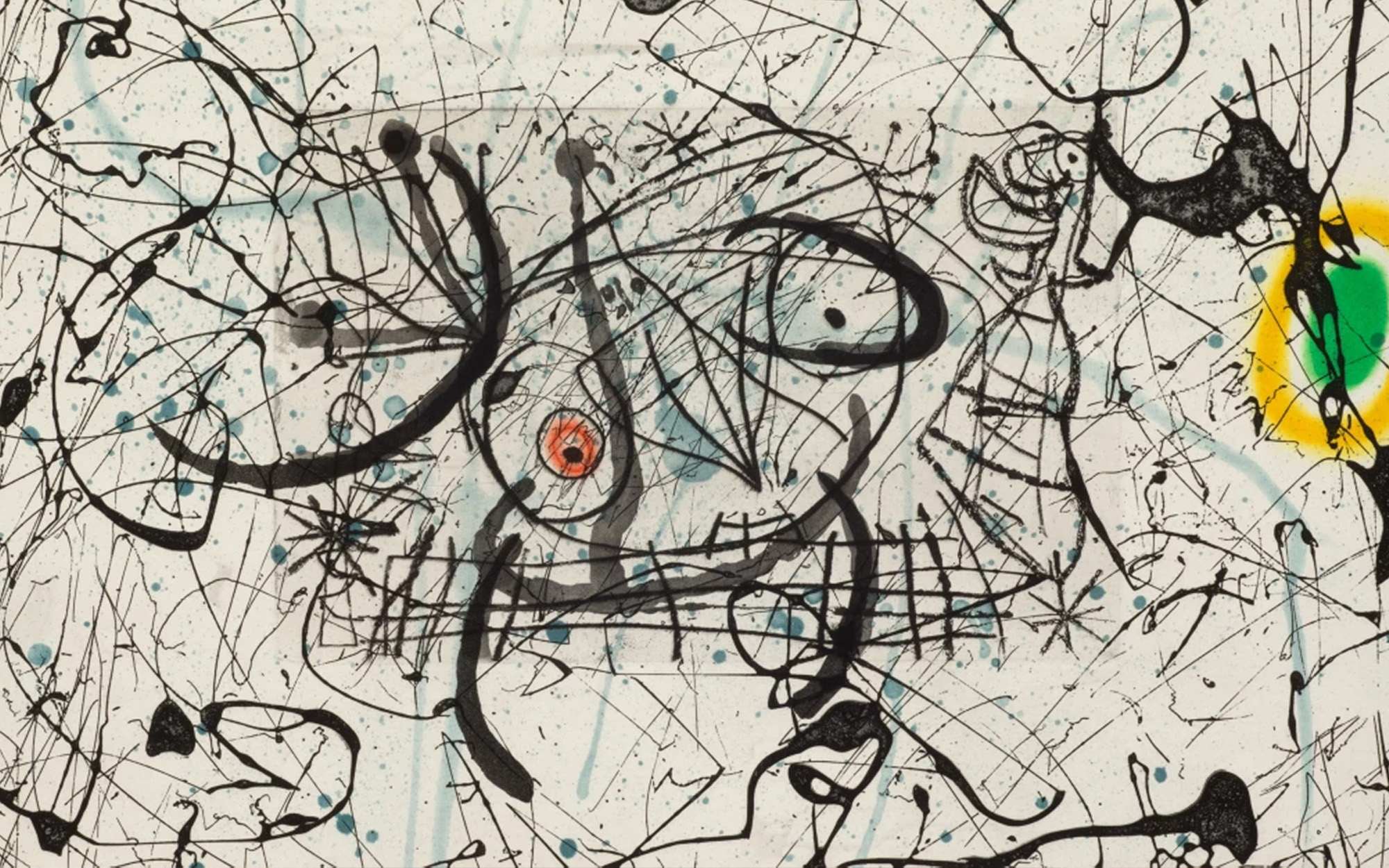
I decided to take a step back and organise what I have so far. I’m not willing to drop surrealist automatism from the project, and it would be ideal if I could incorporate it into my dissertation as well. My goal is to tie everything together without introducing an entirely new concept.
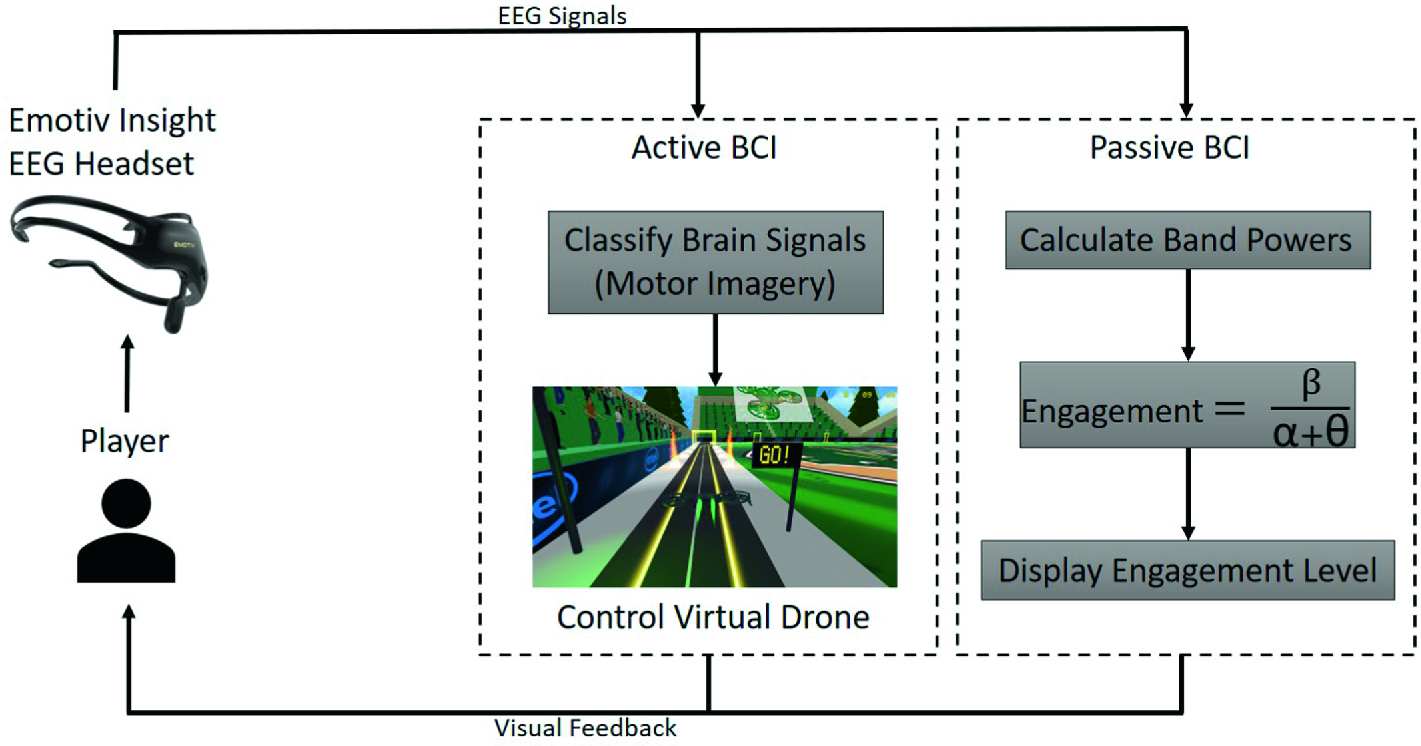
I revisited my readings from Weeks One and Two to reconnect with why I was initially interested in biofeedback. I believe it was the concept of control. I began researching and gathering references and papers that explore control within biofeedback. Finally, I found one. While not widely explored, this paper categorises control in biofeedback interfaces, one category being passive control.
Unlike explicit control, where users consciously guide the outputs, passive control utilises involuntary brain responses as input. Passive control itself can be divided into explicit and implicit types. My project explores implicit passive control, where participants’ mental states, without active awareness, influence the creation of art. This method mirrors the surrealist goal of bypassing deliberate thought to engage directly with subconscious processes.
The Seven Whys
Jake Tan, who stopped by for a quick ad hoc technical consultation, suggested an interesting exercise for testing the structure of our dissertations: the "7 Whys." Originally, this method is used to uncover the core of a problem statement rather than test the strength of a project’s structure, so I’ve modified it here. While this may not be the most precise way to evaluate my structure, it’s still a useful way to clarify my ideas.
I am creating an EEG-based interface based on the idea of surrealist automatism.
- Why? Surrealist automatism and eeg based art, and passive interfaces can connectby focusing on the subconscious state.
- Why? To explore passive control in EEG based art.
- Why? To understand how passive control influences user engagement and perception without direct input.
- Why? Most EEG art emphasises explicit control, leaving passive interaction understudied.
- Why? Passive control can provide personalised and ambient outcomes, and inform implicit or calm technology.
- Why? It can create personal souvenirs of the user's mental states, a new direction for passive control installations.
- Why? To create personal, revisit-able mementos of the user’s interaction. + Ultimately, to develop cost-effective EEG-based interfaces that can stimulate the inclusion of EEG is art practices.
I feel that there are still some gaps in the context, but in my opinion,this is a great improvement from the RPO.