01
Biofeedback:
Project Direction
12.08.2024 ~ 18.08.2024
Current Themes
Following up on my entry from last week, I am looking into how biofeedback can be introduced into the creative process, with serendipity as the unifying theme. This is backed up by the idea that both biofeedback and generative art thrive on unexpected human input, going against traditional perceptions and interactions with generative systems — which are limited by predetermined factors and conscious interventions.
Currently, my (very broad) goal is to expand our view of how these systems influence perception and creativity, and create new methodologies for artists, technologists, and academics who are interested in the potential of the interaction between human and technology. Although I haven't yet defined a specific target audience, I would like to engage artists, technologists, and practitioners from psychology and neuroscience.
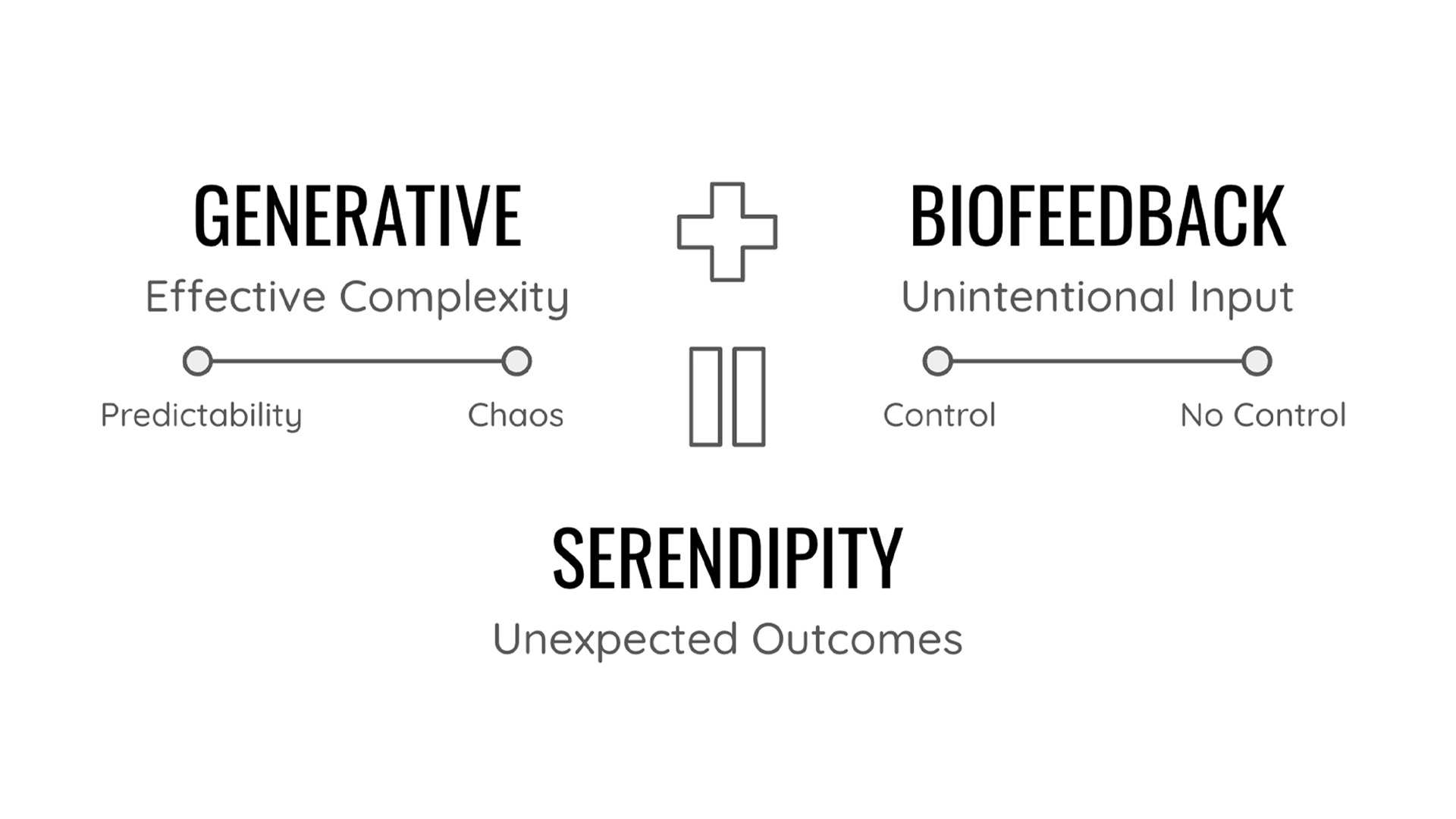
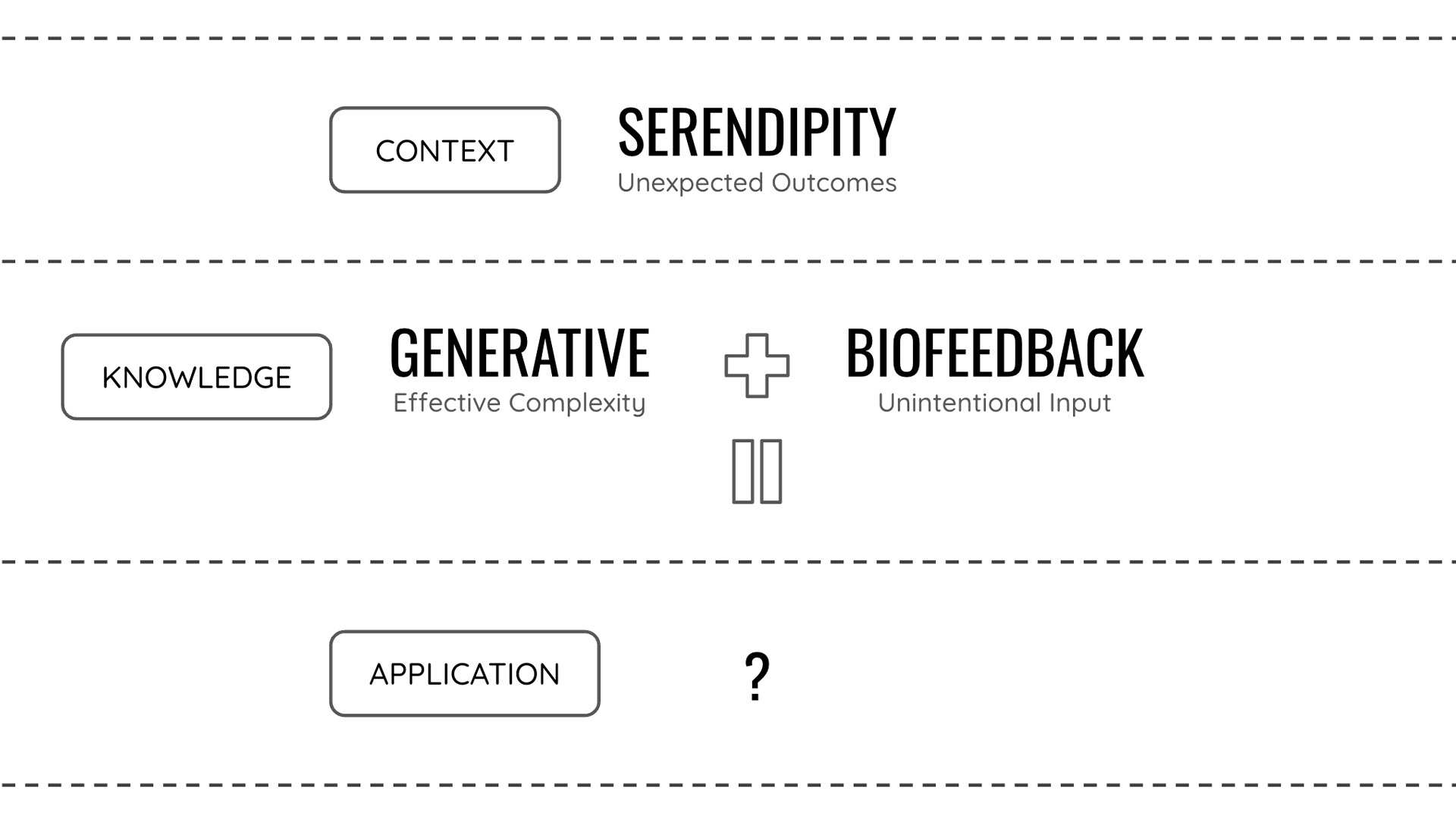
To build the narrative context for my project, I've been reading resources on biofeedback and generative art, in relation to the concept of serendipity. Here are some examples.
Serendipity in Generative Art
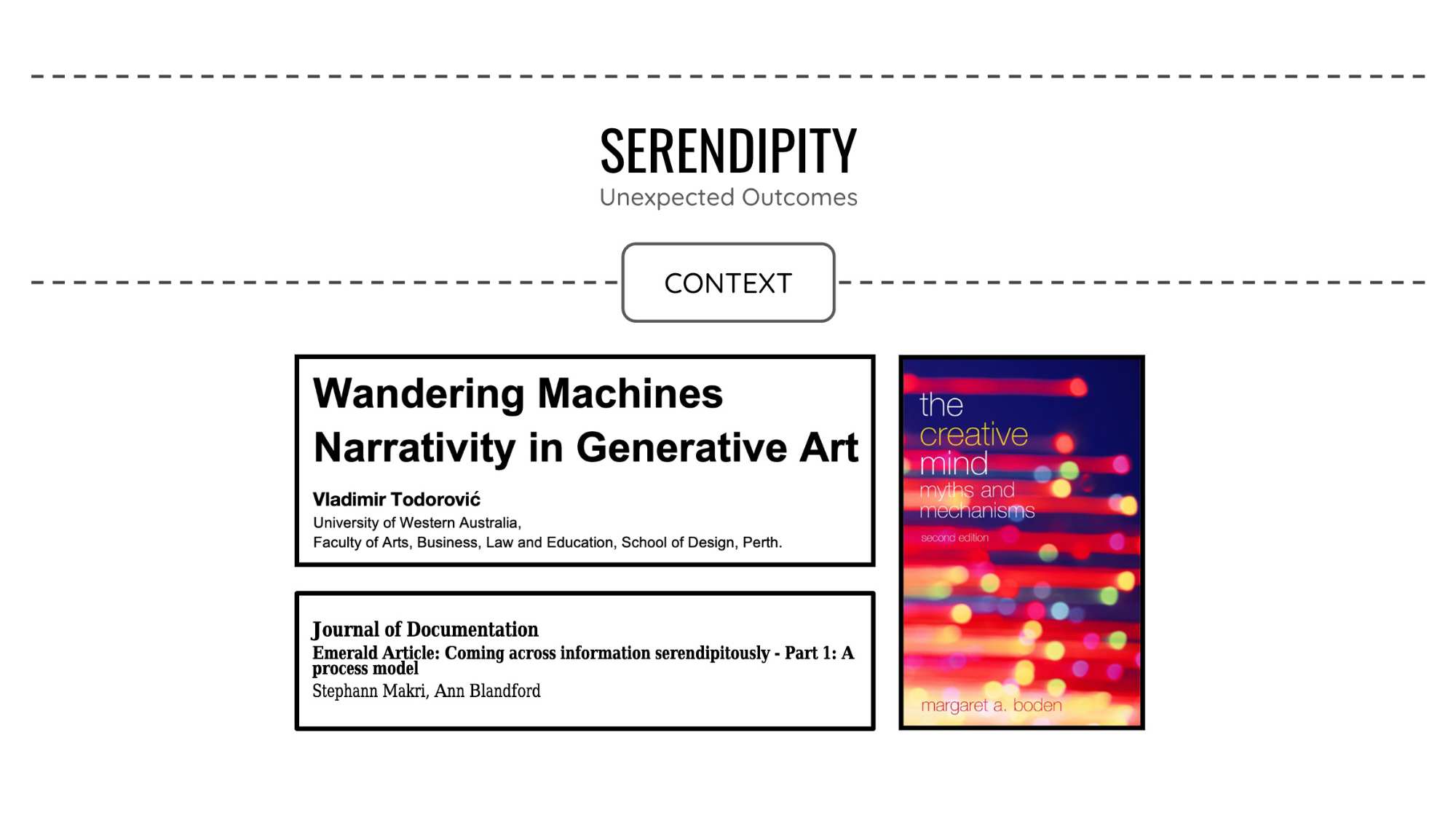
One reading that I enjoyed for generative art is Wandering Machines by Vladimir Todorović and Dejan Grba. The text points out that AI lacks the self-awareness inherent in human storytelling, which limits its ability to create narratives with the depth and coherence of human authors.
But it also argues that AI’s value does not lie in mimicking human intelligence but in embracing its unique “Alternative Intelligence.” If we allow AI to explore non-human forms of storytelling, including its 'mistakes', we can expand the creative potential and gain new insights into the nature of narrativity.
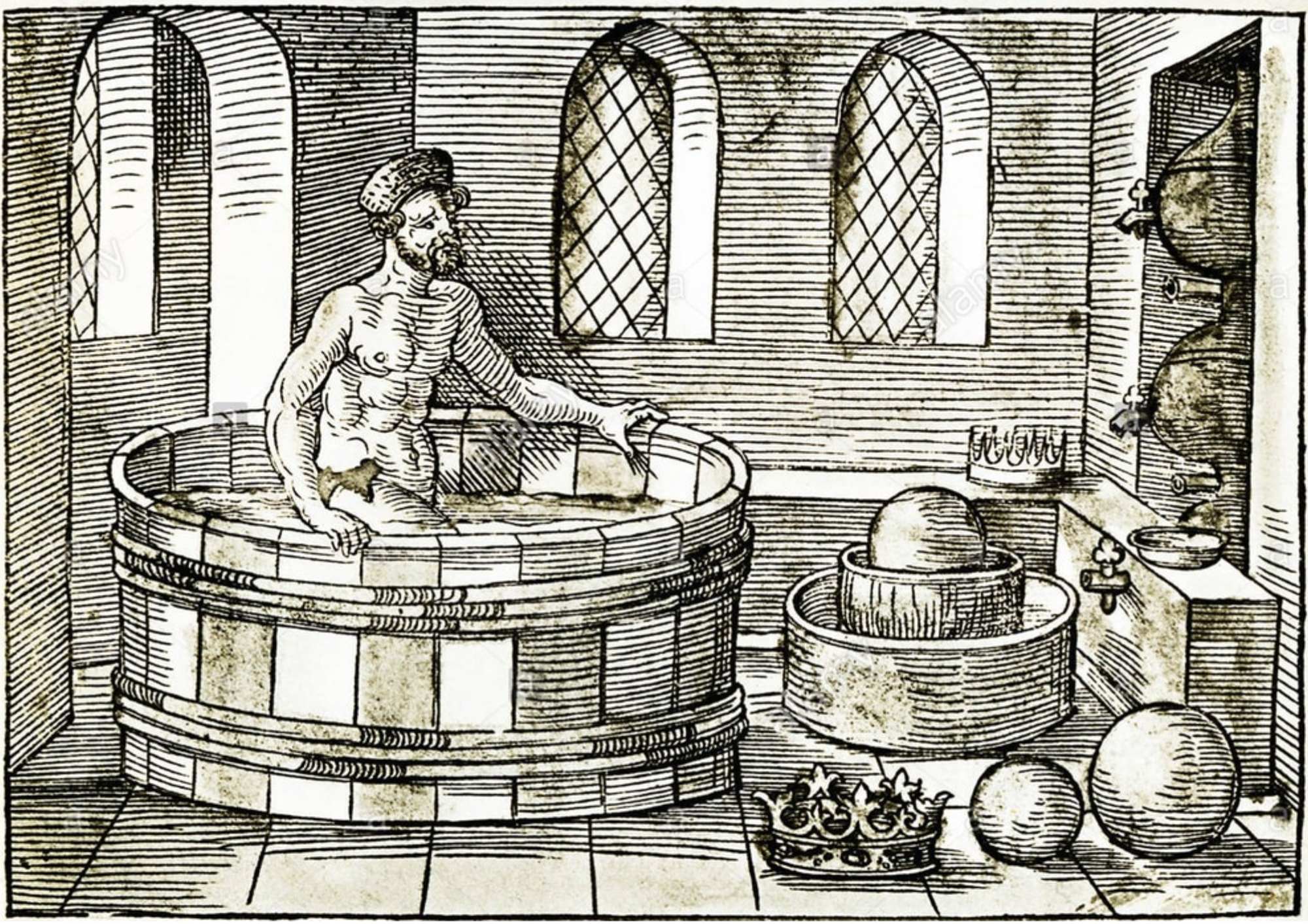
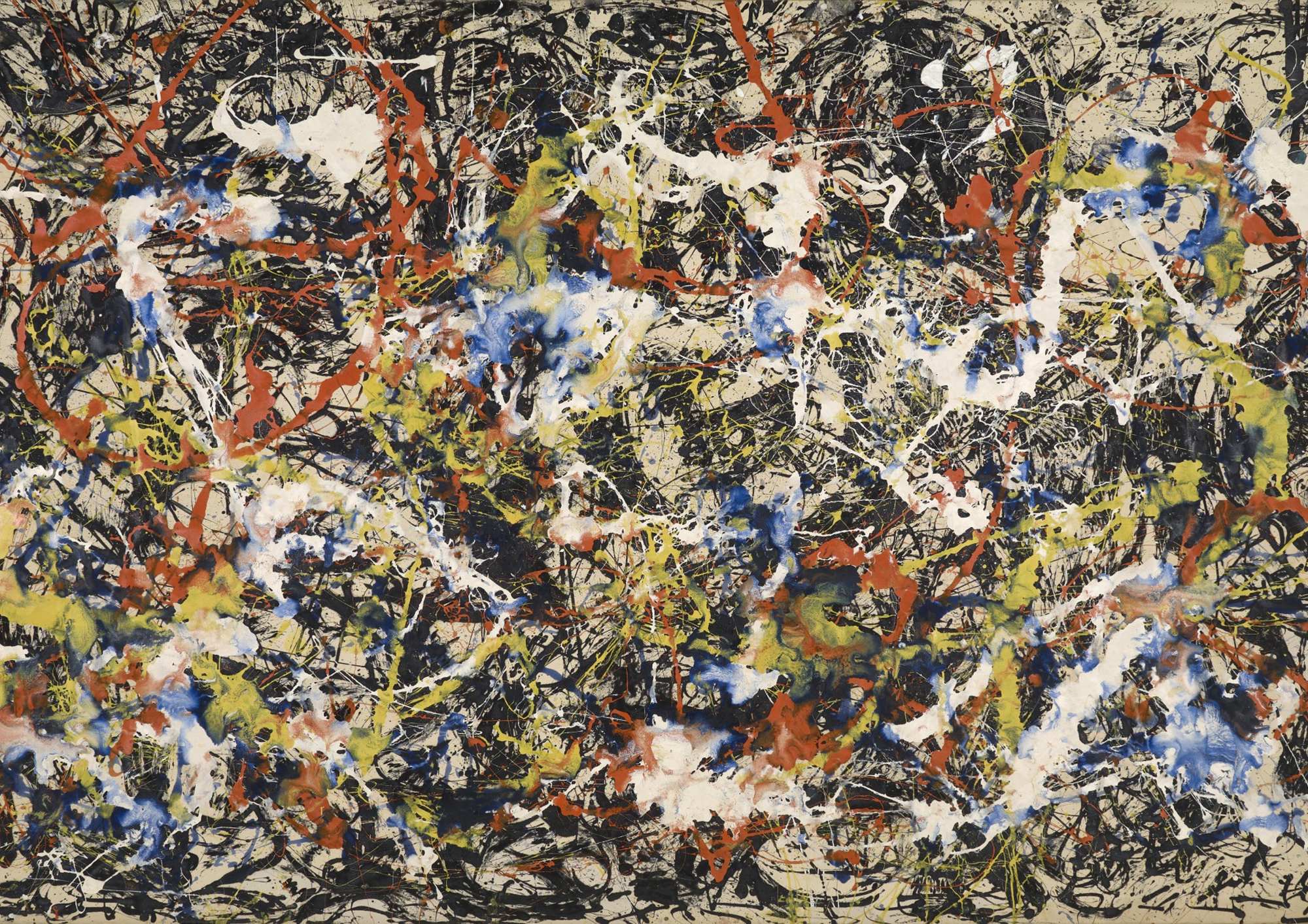
Murat Germen’s Aesthetics of Serendipity suggests that these unexpected discoveries often emerge by chance, but only when there is a solid foundation of prior knowledge. This familiarity with existing ideas is important for artists to recognise and capitalise on chance, transforming them into innovative aesthetic outcomes.
So, the intersection of knowledge and chance becomes essential to breakthroughs, whether artistic or scientific. As a designer who values prior research on a topic, this is something I can relate to. While waiting for inspiration or refining my skills is important, meaningful ideas emerge when I have the ingredients (knowledge) prepared.
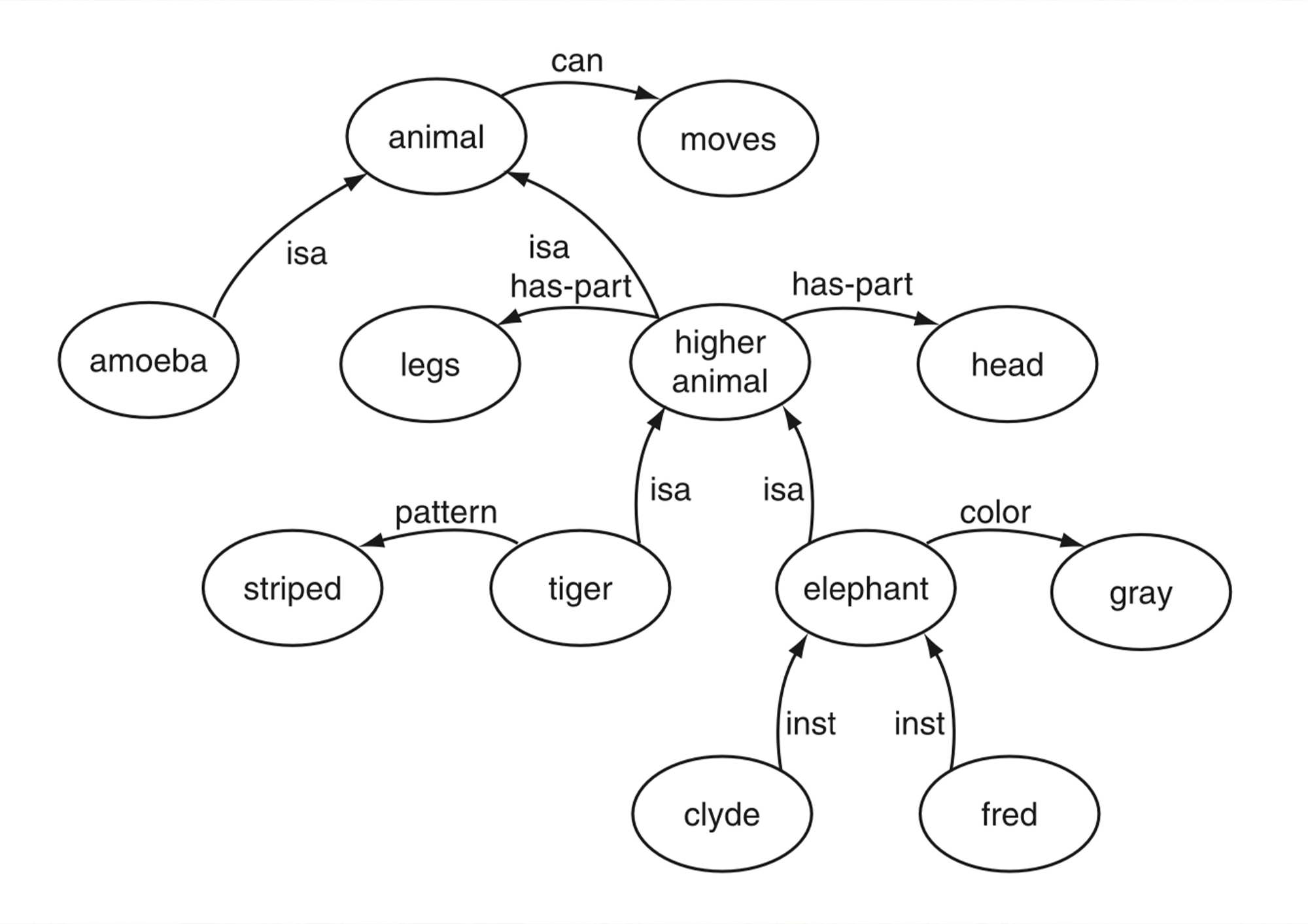
A Programmed Semantic Net with Six Links
from Margaret Boden's The Creative Mind, page 108
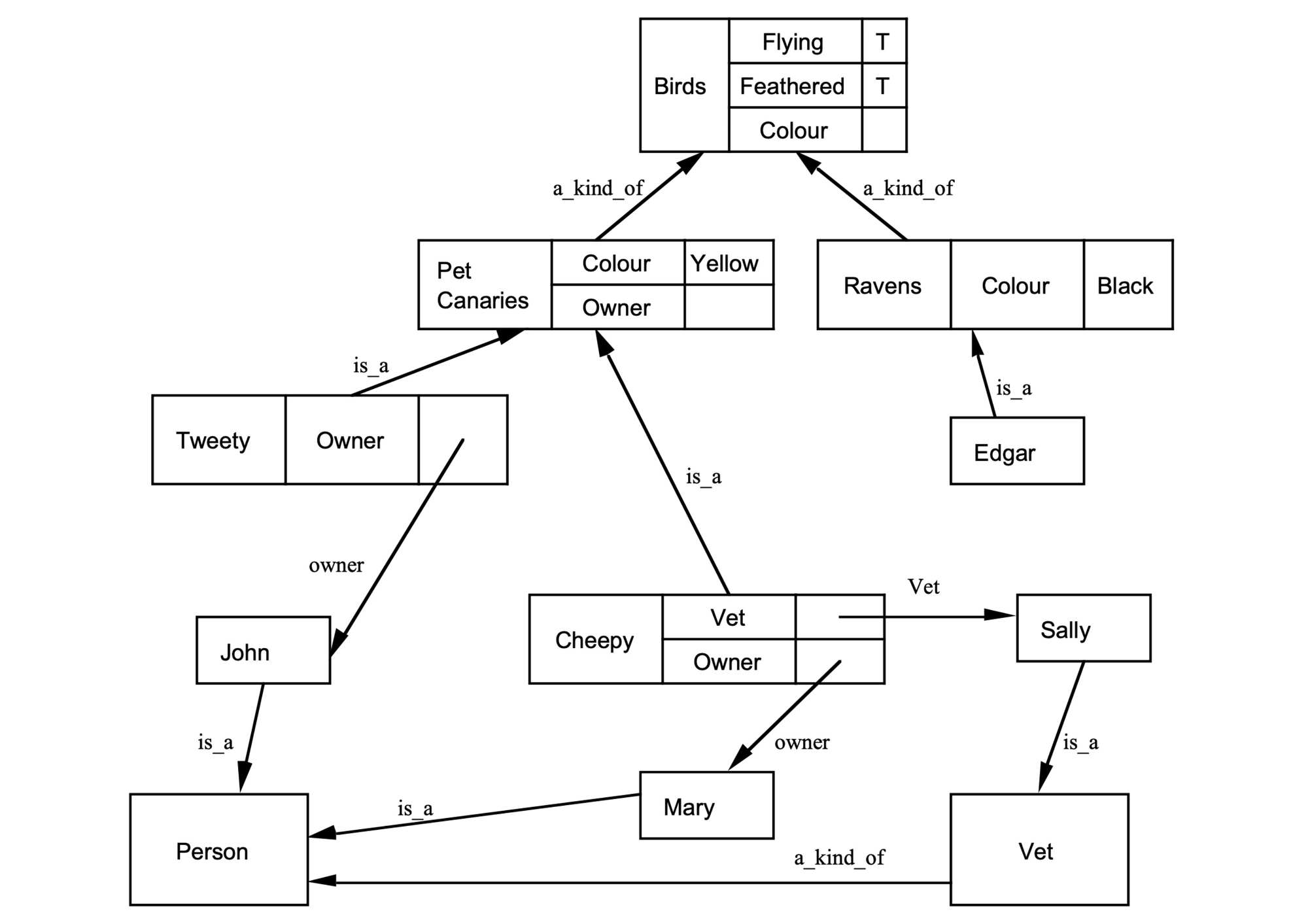
An Example of a Frame Diagram
from Matthew Huntbach's Notes on Semantic Nets and Frames, page 8
Margaret Boden's The Creative Mind gives a more detailed overview of existing ideas of creativity in the computational context. The chapter I am reading at the moment discusses semantic nets, originating from psychology, as models for representing human memory and associations, where one idea can trigger multiple related or even seemingly irrelevant thoughts. In artificial intelligence, semantic nets are computational structures that map conceptual spaces through nodes (representing ideas) and links (representing relationships).
These nets could open up spontaneous inferences, where properties from broader categories can be applied to more specific instances, and meaning is derived from a node’s position. Semantic nets can model combinational creativity, enabling novel idea combinations by relaxing constraints on associative pathways. She also explains scripts and frames, specific types of semantic nets that represent familiar behaviors. By mapping ideas in a network, semantic nets could help understanding and simulating creative processes in both human thought and AI.
Biofeedback and Interactivity
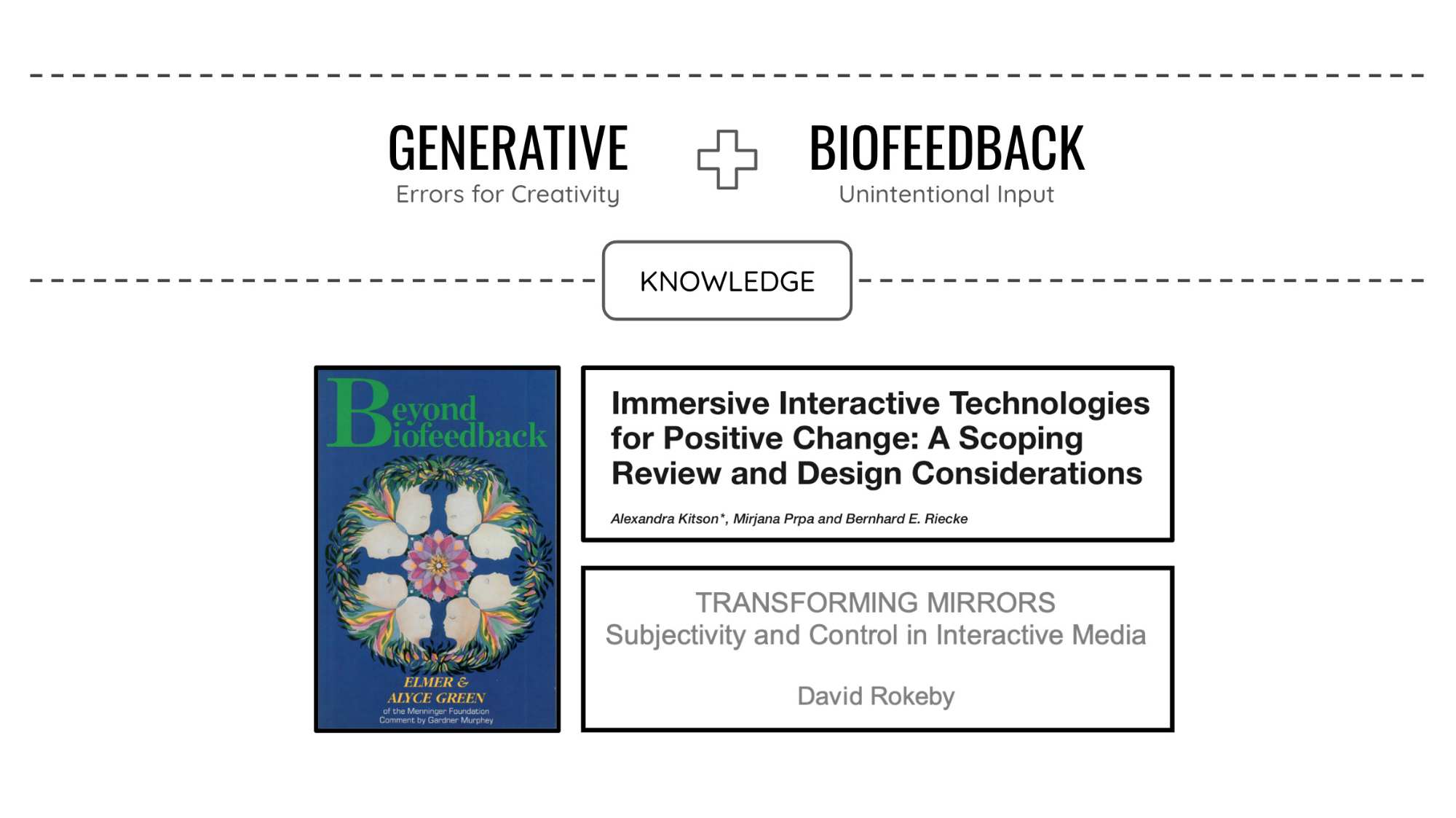
Beyond Biofeedback by Elmer and Alyce Green was my first encounter with the mind-body relationship. Although an old text (published in 1977), it has a lot of insights into how the mind autonomously influences the body, which aligns with my interest in involuntary processes.
What made this book stand out for me was not just its detailed documentation of how physiological data was used, but its challenge to conventional, established scientific views, even touching upon parapsychology and ‘healing’. This gave me a more unconventional look into biofeedback.
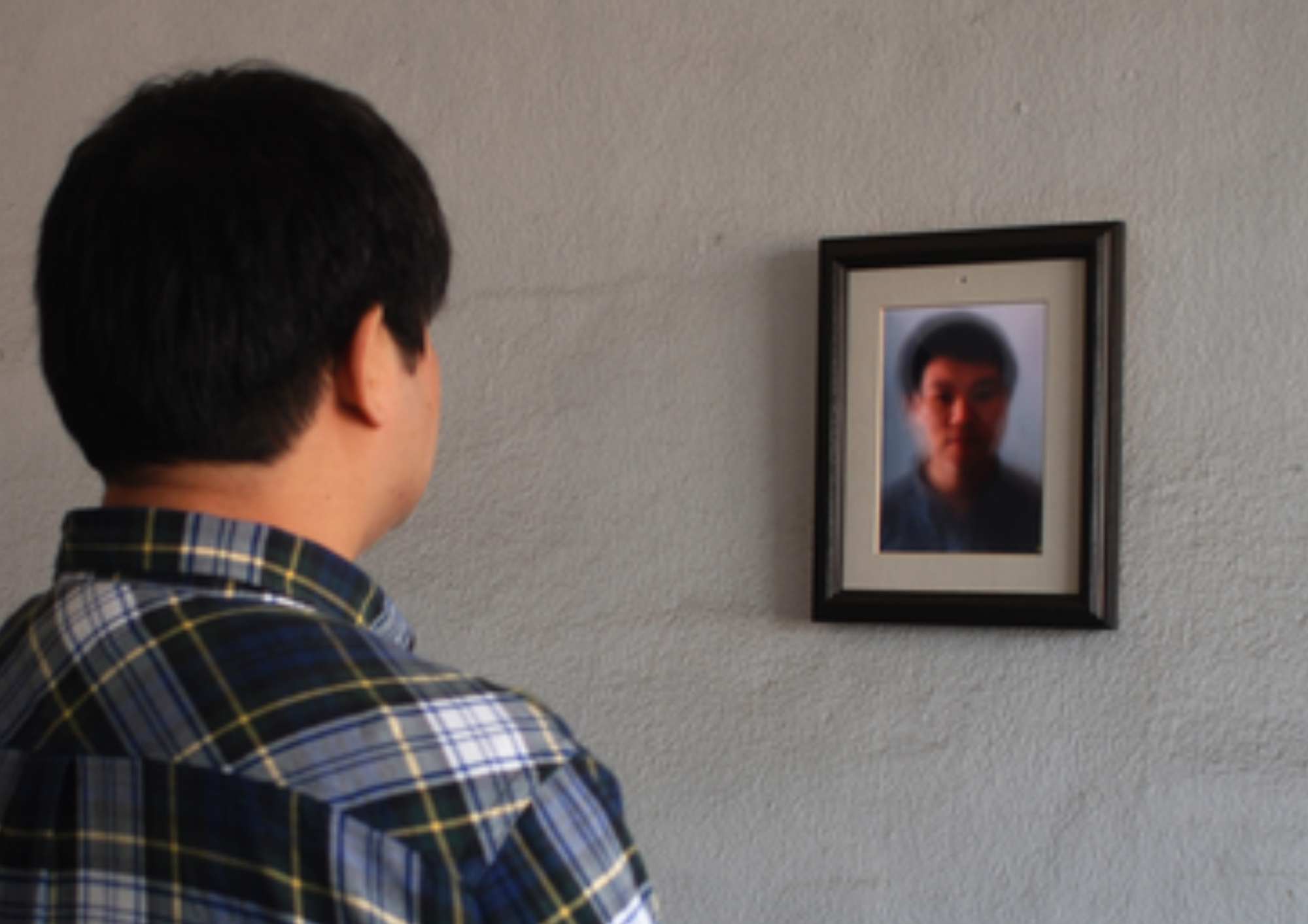
For readings on interactivity, Transforming Mirrors introduces the concept of semantics in interactive media. It mentions how interactive installations in the modern age reflect and alter our self-image, which resognates with my thoughts on authorship. I feel that biofeedback could add a more nuanced element to this dialogue, where the participant’s involuntary input reshapes their role as the author, making them both a creator and a subject of their own work.
Biofeedback Projects
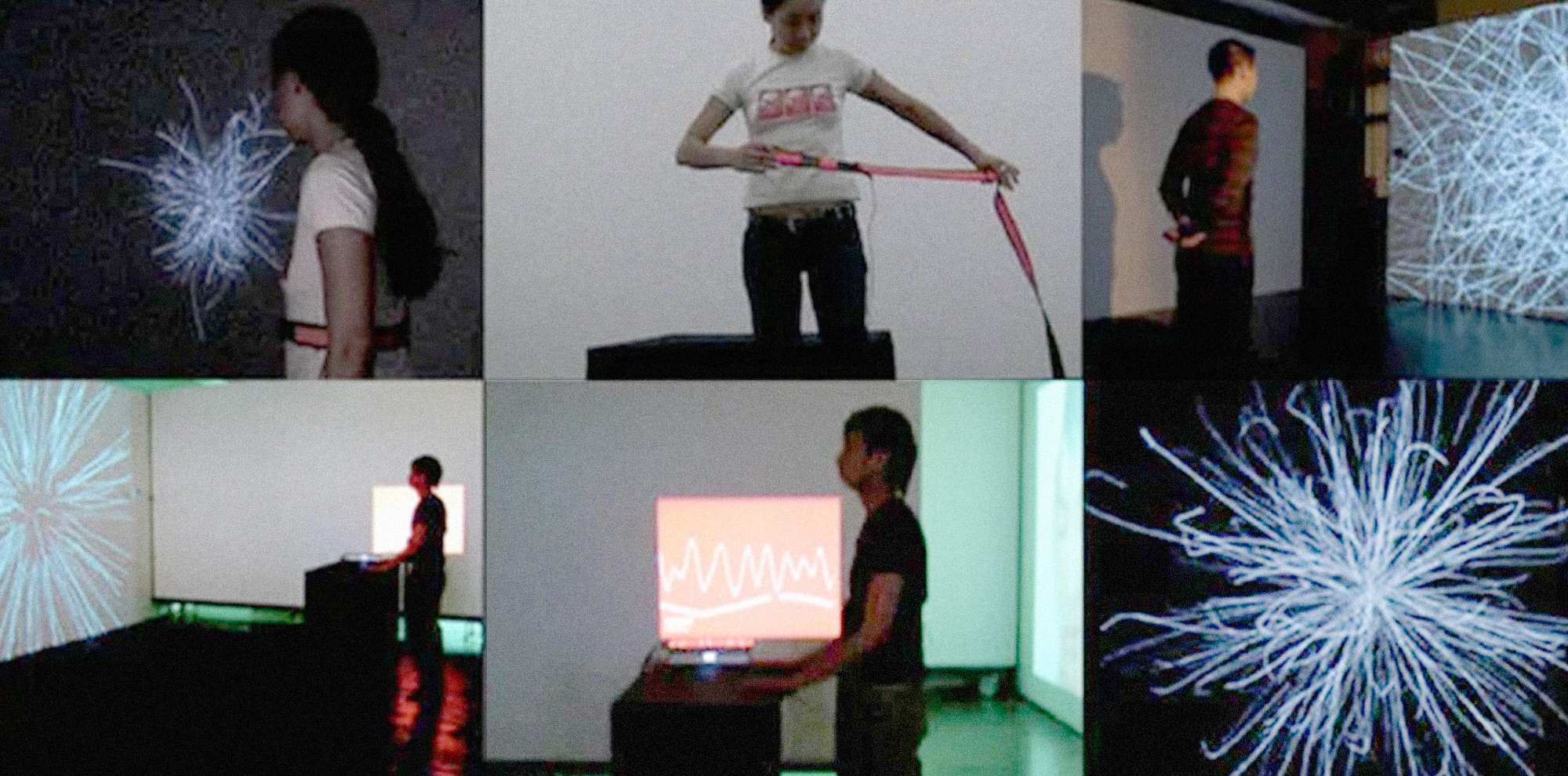
These two projects are similar to how I envision my project might go. The first, Drawing Breath, is an interactive installation where a participant's breathing rhythm controls the movement of lines on a screen. This one contrasts with my interests in that the visuals can be consciously altered.
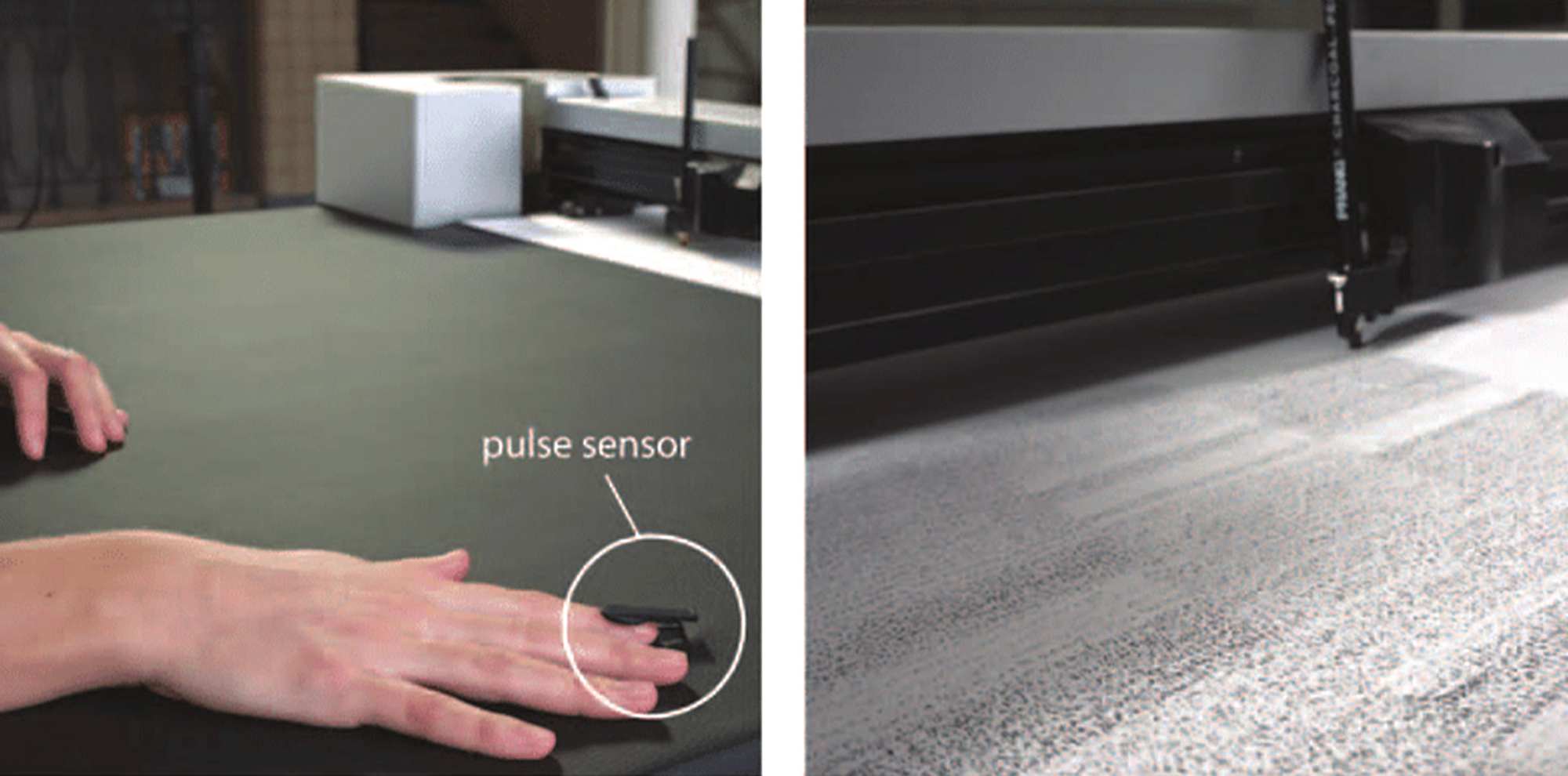
The second, Heart Calligraphy, visualises heart rates through abstract drawings using various physical mediums. This project aligns more closely with my interests, as it demonstrates how the physical production process can influence the visual outcome.
Practice
-
Poster of ‘Cybernetic Serendipity’ exhibition
Aesthetics of Serendipity, Murat Germen
As for the practical aspects, I need to define my physical input to move forward. I am currently considering either heartbeat or EEG data, and I am in the process of acquiring devices to work with. Meanwhile, I've already started exploring how to connect a device to Processing, and I've found a library called 'oscp5' by Andreas Schlegel that I could use when receiving the data.
This will be further explored and documented later on. I'm also planning on pursuing physical outputs, such as experiments with Arduino or Axidraw, as I believe there is something special to a more physical output that can display movement in a 3d environment.
Fourier Transform
-
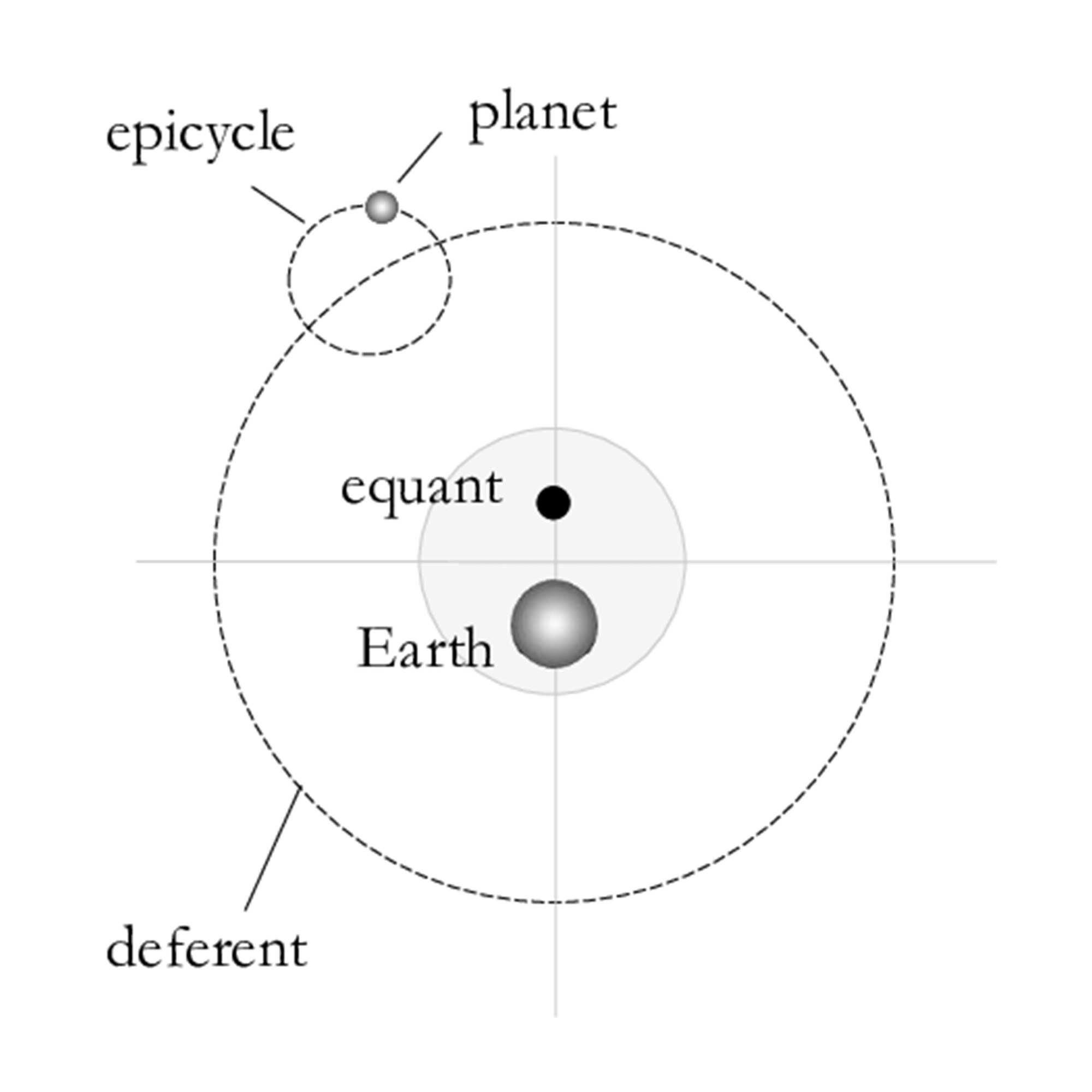
Structure of the epicyclic system
The Short History of Science - or the long path to the union of metaphysics and empiricism, Tuomo Suntola
-
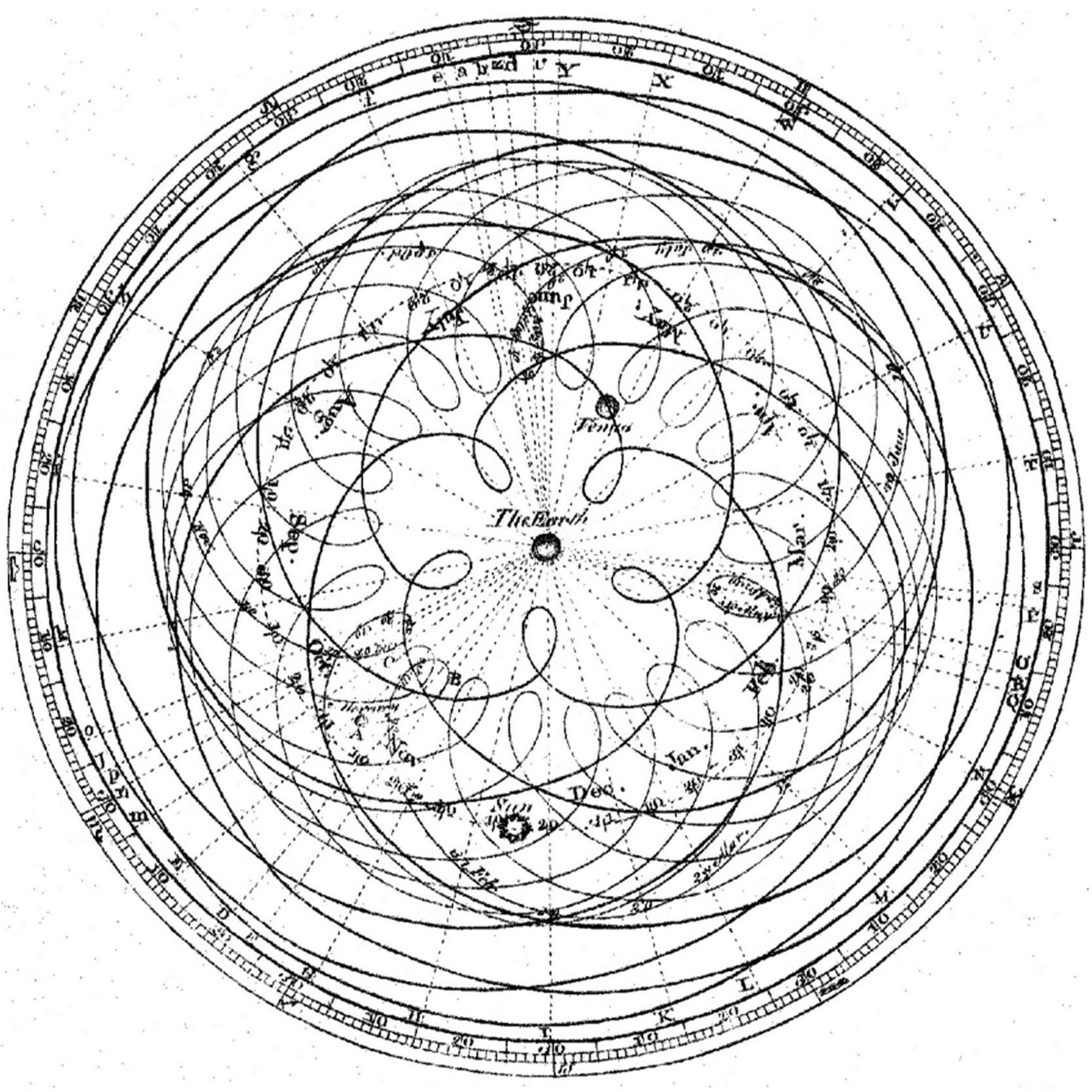
Epicyclic diagram of the orbits of the Sun, Mercury and Venus, James Fergusn
Encyclopaedia Britannica
I am also looking into Fourier Transforms, which interestingly, first caught my attention while reading about orbits. The origins of fourier transforms started with the early astronomers trying to decipher the motions of celestial bodies. This inspired me to consider how epicycles could be applied to translating waveforms into visual representations. I thought I had some genius epiphany, until I realised that this was literally the basic principles of FFTs (Fast Fourier Transforms). Well, moving on.
The Ptolemaic model of the universe, with its system of epicycles and deferents, were designed to explain the seemingly erratic movements of the planets. This model was a pioneering effort to make sense of celestial phenomena through circular motions, documented in different diagrams. Similarly, with the mathmeticians, Jean-Baptiste Joseph Fourier’s study on mathematical transformations was an attempt to decode the seemingly chaotic patterns in mathematical functions.
-
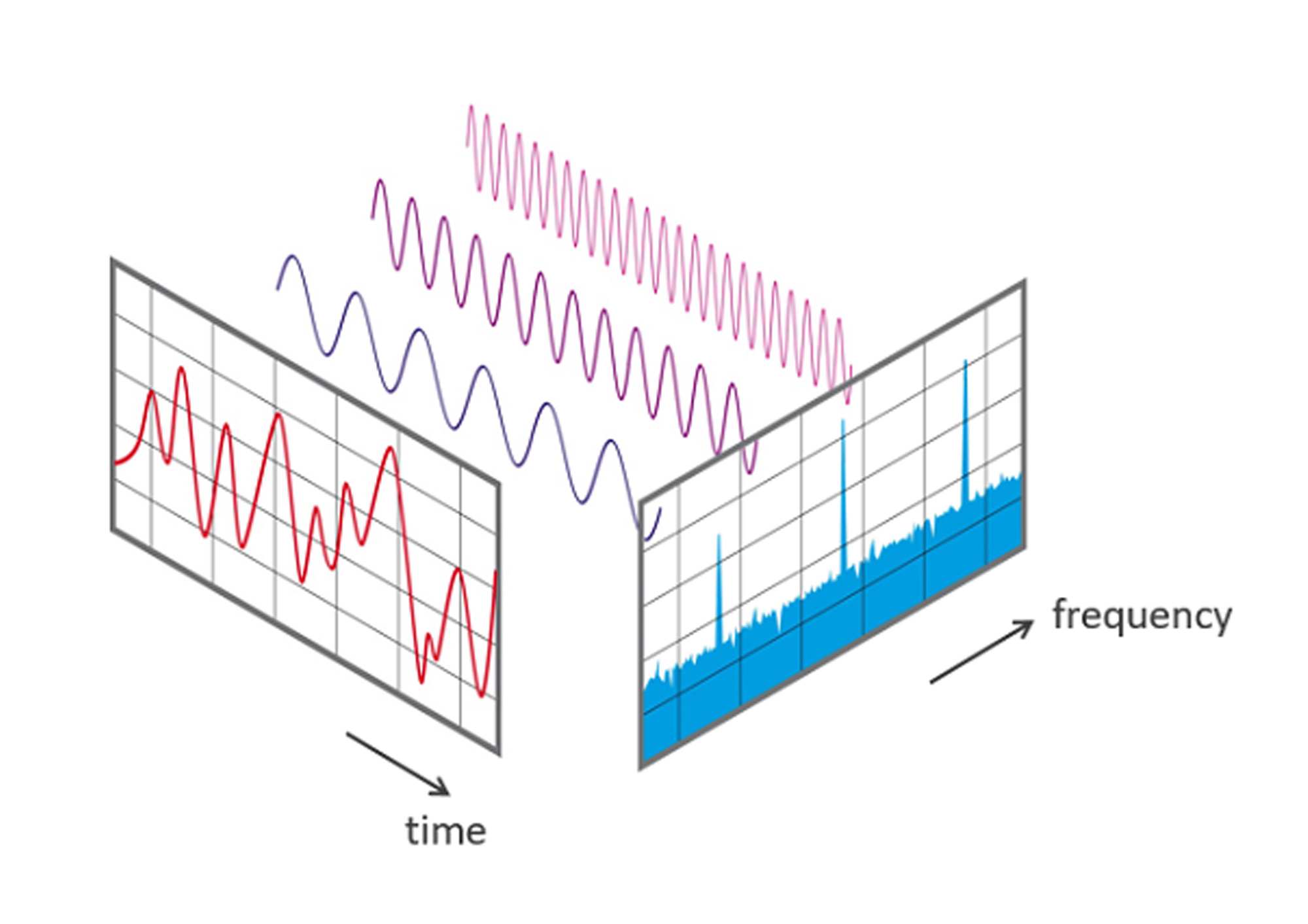
Signal in the time and frequency domain
nti-audio.com/en/support/know-how/fast-fourier-transform-fft
Fourier’s major contribution began in the early 19th century, when he introduced his theory of the Fourier Series.Much like how Ptolemy’s epicycles aimed to break down planetary movements into simpler circular motions, Fourier proposed that any periodic function could be expressed as a sum of sine and cosine functions. This turned the analysis of complex signals into simpler, periodic components.
The Fourier Transform extended Fourier’s ideas to non-periodic functions, which allows for the analysis of signals over all time rather than limited to repeating intervals, demonstrating how complex signals could be analysed in terms of their constituent frequencies. This is a brief description of the history of fourier transforms, but I will be continuing to dig deeper in order to understand them enough for my 'eureka moment' to emerge.